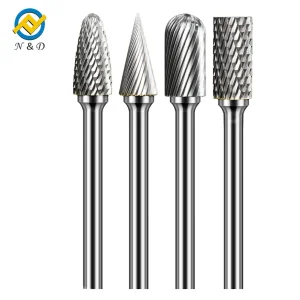
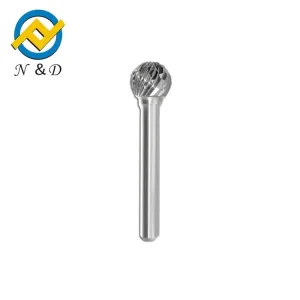
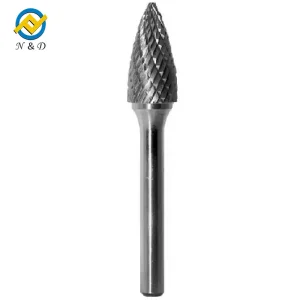
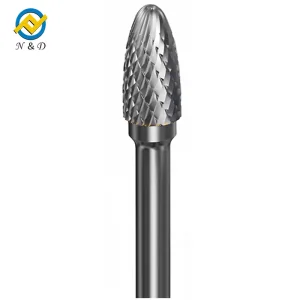
In modern high-precision engineering, metallurgy, and material processing, the efficiency of material removal determines the ultimate cost-effectiveness of industrial manufacturing. Tungsten Carbide Rotary Burrs represent the apex of rotary cutting technology, combining extreme hardness, thermal resilience, and geometric diversity to tackle the most demanding metal-shaping challenges. Formulated through advanced powder metallurgy, these tools possess a unique micro-grain structure that bridges the gap between raw high-speed steels and diamond-hard abrasives.
The architectural configuration of a rotary burr is not merely cosmetic. It is carefully designed to match the hardness, ductility, and chip-formation characteristics of the work material. By choosing the correct shape, operators maximize surface area contact and material removal rates while minimizing vibration and heat generation:

Headquartered in Guanghan, Sichuan Province, China, we have developed from a regional manufacturer to a global leader in cemented tungsten carbide products over the last two decades. Our strategically located facility leverages the deep natural resource mineral supply chains of southwest China, combined with state-of-the-art precision engineering equipment, to deliver high-durability products to the mining, construction, oil & gas, aerospace, and general manufacturing industries.
With a staff of over 120 dedicated employees, including industry-recognized material engineers and QC supervisors, we combine advanced computer-controlled sintering technology with rigorous ISO-compliant operational standards. Over the past 20 years, our team has achieved stable, repeatable microstructures in every production batch, ensuring that our rotary burrs offer maximum lifecycle longevity and thermal-shock resistance.
We blend select tungsten carbide powder, cobalt binders, rare metal additives, aviation gasoline, and specialized alloy balls in a high-energy ball mill to form a perfectly homogeneous micro-slurry.
The wet-milled powder mixture is spray-dried to evaporate the liquid medium under controlled atmospheres, adding organic binders to yield uniform, highly flowable granules optimized for compaction.
Using precision-engineered tooling molds, the granulated carbide powder is compressed under immense pressure to form a solid, green-state blank with exact dimensional properties.
Blanks undergo High Isostatic Press (HIP) Sintering at temperatures exceeding 1400°C. Under extreme pressure, the cobalt melts and binds the tungsten carbide grains together, eliminating any micro-porosity.
The sintered carbide shafts are loaded into advanced 5-axis CNC grinding machines. Diamond wheels grind custom double-cut or single-cut flutes to ensure maximum sharpness and balancing.
Every single rotary burr undergoes complete quality inspection. We test concentricity, tooth geometries, micro-hardness, and structural stability using laser dimensional analysis and metallurgical microscopy.
Purchasing directly from primary factories in Guanghan, Sichuan offers structural cost and technical advantages that standard Western distributors cannot replicate. Sichuan has one of the world's most concentrated clusters of raw tungsten reserves and refining facilities, drastically reducing raw material transportation and processing costs. By eliminating middleman markups, procurement departments secure top-tier sub-micron carbide tools at highly competitive rates.
Furthermore, our integrated factory model combines continuous R&D with direct production control. When specialized industrial clients request custom dimensions, customized cobalt ratios, or proprietary flute angles, our in-house metallurgical laboratory designs, prototypes, and tests the tools within a single facility, shortening lead times from months to weeks.
Tungsten carbide rotary burrs are essential across a wide variety of specialized heavy industries:
The international abrasive and rotary tooling market is undergoing a structural shift driven by automation, material science, and environmental sustainability. Four major trends dominate the next decade of production:
We specialize in offering tailored manufacturing services to global tool brands, distributors, and large industrial buyers. We support private-label laser etching, custom head geometries, extended-shank lengths, and high-performance packaging solutions to expand your brand presence.
Our tools are manufactured using premium-grade, 100% virgin tungsten carbide. By avoiding recycled scrap powders, we maintain chemical composition consistency, preventing premature micro-chipping and maximizing tool reliability under high temperatures.
Our technical engineers provide complete consulting services, helping procurement managers select the ideal carbide grades, tooth counts, and geometric shapes for their specific manufacturing processes to maximize efficiency and tool life.

With growing demand for sustainable production, we prioritize environmental protection across our operations. We recycle valuable metals, minimize waste heat, and reduce greenhouse gas emissions while maintaining high quality standards.
September 29, 2024
The industrial carbide sector faces raw material price volatility, logistical challenges, and evolving technology. Learn how modern manufacturing hubs are overcoming these issues to deliver high-durability products to the market.
September 29, 2024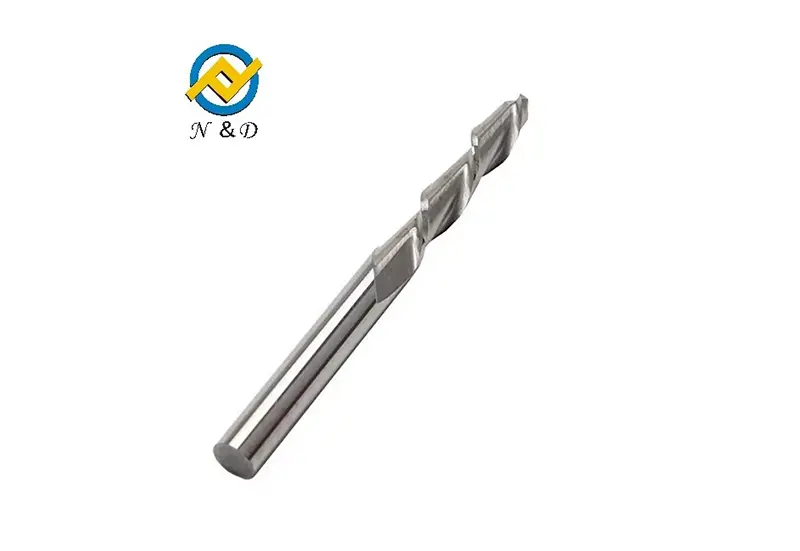
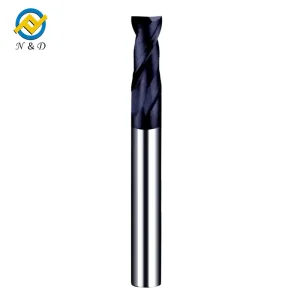
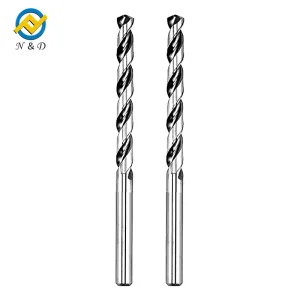
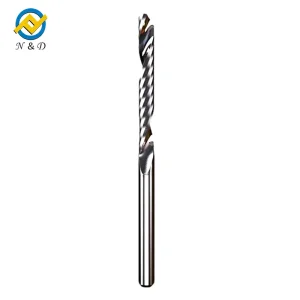
Our new solid carbide twist drills deliver unparalleled performance and efficiency. Engineered using premium tungsten-cobalt alloys, they represent a major step forward for high-speed CNC drilling applications.
September 29, 2024Procurement teams can request direct quotes by providing their technical specifications, including the desired carbide grades, tool shapes (Types A through N), shank configurations, and expected volume requirements. Contact our sales department to receive a comprehensive wholesale pricelist. Our standard response time for detailed requests is within 24 hours.
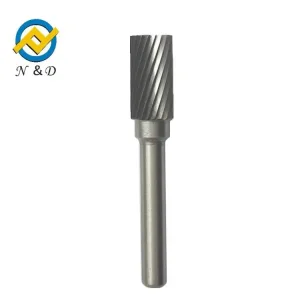
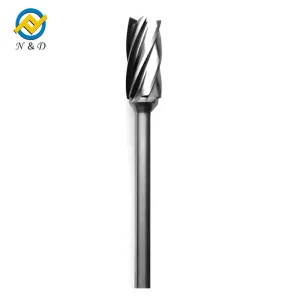
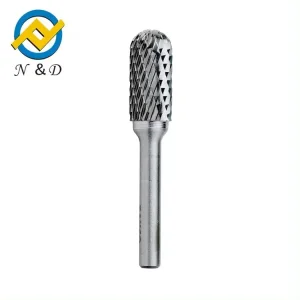
Double-cut (or diamond-cut) configurations feature intersecting flutes that quickly break chips into small, manageable fragments. This design reduces operator fatigue, improves control, and produces excellent surface finishes on cast iron, steel, brass, and copper. Single-cut tools feature a single right-hand spiral flute designed for rapid, heavy material removal on non-ferrous metals like aluminum, plastics, and hard wood.
Concentricity refers to the precise alignment of the tool head with the center line of the shank. If a tool has poor concentricity, it vibrates and chatters at high operating speeds (often exceeding 25,000 RPM). This vibration can cause premature tool breakage, poor surface finishes, and increased wear on expensive hand grinder spindles.
Using 100% virgin sub-micron tungsten carbide powder, our tools offer 35% to 50% longer operational life than standard alternatives. The exact lifespan depends on the hardness of the workpiece, rotational speeds, and proper chip clearance. Using appropriate lubricants further extends tool life.
Yes. Our state-of-the-art CNC grinding facilities produce tools in both metric (DIN standards, 3mm, 6mm, 8mm shanks) and imperial sizes (ANSI standards, 1/8", 1/4" shanks). We ensure seamless compatibility with standard pneumatic and electric grinding equipment worldwide.
Standard catalog items are stocked for immediate shipment. For customized OEM/ODM production orders, our average lead times range from 15 to 30 days, including sintering, grinding, laser marking, and final packaging. Our close proximity to Chengdu's logistics hubs ensures fast shipping via air, rail, or sea.
 N&D Carbide