Technical Whitepaper
Understanding Carbide Grades and Geometry Selection for Lesotho Climates
When operating tools in Lesotho's highlands, where temperature variations and high-altitude machinery operations are common, thermal shock in cutting tools becomes a primary wear vector. Selecting the correct carbide grade and configuration directly dictates your operations' bottom-line economy.
Double Cut vs. Single Cut Geometry
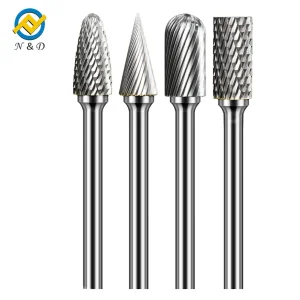
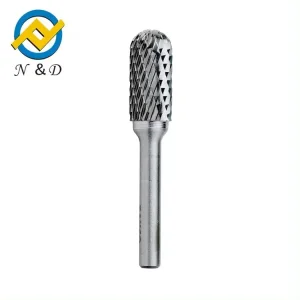
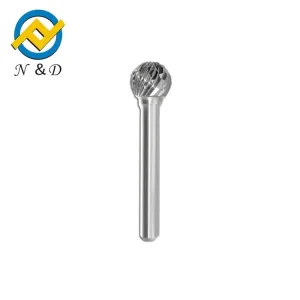
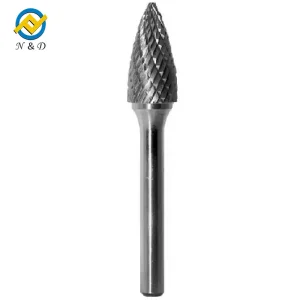
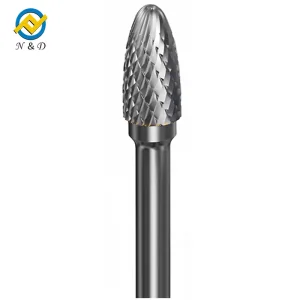
- Double Cut (Diamond Cut): Cross-fluted geometry reduces micro-shavings to a powder-like consistency. This provides finer operator control and reduced vibration, making it ideal for tough alloy steels and hard welds.
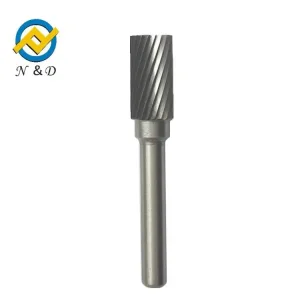
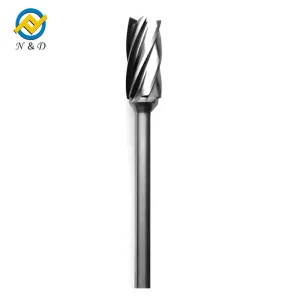
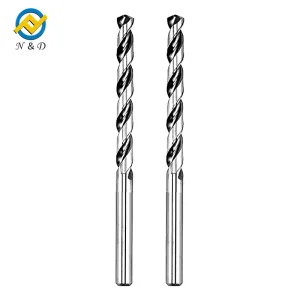
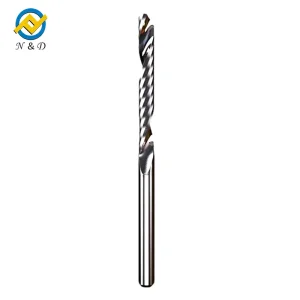
- Single Cut: Features a spiral flute that removes long, continuous ribbons. It is highly recommended for cast iron, copper, brass, and aluminum where chip evacuation is critical to prevent tool loading.
Our engineering team stands ready to customize tool parameters—such as shanks, extended lengths (e.g., 150mm for deep-reach cavities), and carbide grades—to meet unique field challenges.
Comparative Performance Analysis
| Material Group |
Suggested Cut Style |
Optimal RPM Range |
| Hardened Steel (>45 HRC) |
Double Cut |
15,000 - 22,000 |
| Cast Iron |
Single Cut / Double Cut |
12,000 - 18,000 |
| Stainless Steel |
Double Cut (Coated) |
10,000 - 15,000 |
| Aluminum & Copper |
Wide Single Cut (Alu-Cut) |
20,000 - 30,000 |
 N&D Carbide