Engineered for high removal rates, extreme thermal resistance, and extended tool life across complex metallurgic applications in Flanders.
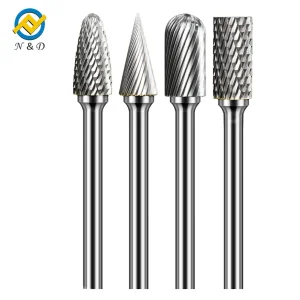
Designed for aggressive cutting and precision deburring on cast iron, steel, and exotic alloys. Features optimized flute geometry to minimize chatter and vibration under high-load cycles.
Get Quotes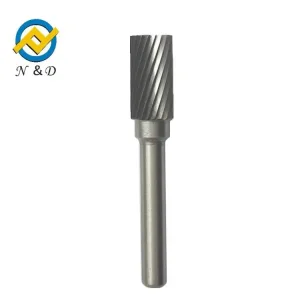
Ideal for peripheral milling and surface finishing. Provides stable material extraction speeds, crucial for shipyard weld dressing and heavy structural fabrications.
Get Quotes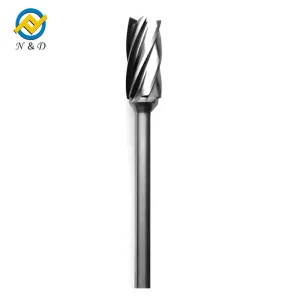
Featuring extra-wide chip spaces to prevent loading when grinding aluminum, brass, and soft non-ferrous metals commonly utilized in maritime structural designs.
Get Quotes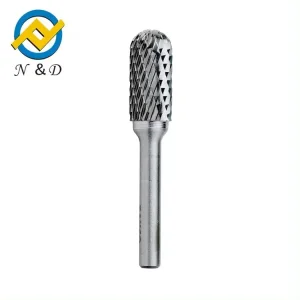
Engineered for contour processing and machining internal radius profiles in dies, molds, and mechanical housings. Manufactured under tight concentricity tolerances.
Get QuotesAntwerp stands as one of Europe’s most critical logistics and heavy manufacturing epicenters. Anchored by the Port of Antwerp-Bruges, the region demands an uninterrupted supply of heavy-duty fabrication tooling. From massive maritime vessel refurbishment to complex pipeline installations in Europe’s largest petrochemical cluster, the durability of grinding accessories directly impacts operational downtime and corporate profitability.
Standard rotary burrs suffer from premature tip wear and micro-chipping due to the high-tensile stainless steel alloys and corrosive environments characteristic of marine maintenance. By utilizing sub-micron grain-sized tungsten carbide, our tooling achieves a Vickers hardness rating of up to 1600 HV. This ensures Antwerp’s metal fabricators can maintain productivity schedules without frequent tool changeovers.
Our industrial customer footprint spans across the Antwerp area, providing specialized tooth geometries (such as Diamond Cut, Double Cut, and Aluma-Cut) designed to process specialized materials like Duplex stainless steels, titanium, and carbon fiber composites. By sourcing directly from our state-of-the-art Chinese manufacturing plant, companies in Flanders bypass costly middlemen while gaining custom-designed geometric solutions.
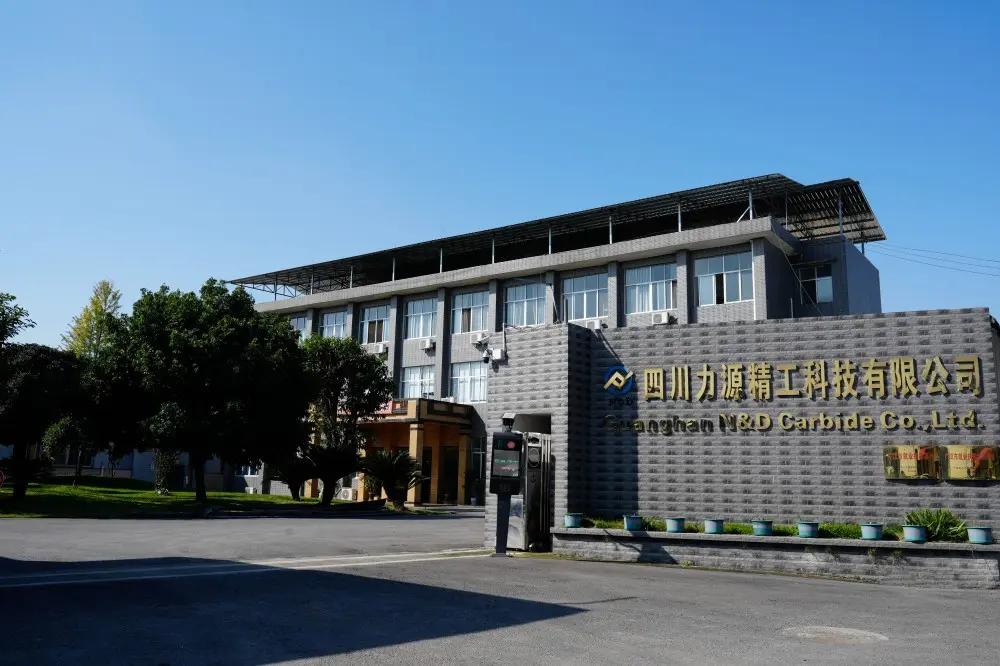
Founded in 2004, our production plant has transitioned into an Industry 4.0 pioneer, providing customized carbide grinding materials to international markets.
Headquartered in Guanghan, Sichuan Province, China, our company boasts a comprehensive production area equipped with high-precision 5-axis CNC grinding machines (including advanced Rollomatic and ANCA lines). Our team works relentlessly to control carbide grain distributions from wet-grinding steps through high-pressure vacuum sintering. This rigorous QA loop guarantees that every batch shipped to European ports exhibits identical concentricity and shear strength properties.
How we guarantee zero defect rates for our Belgian distributors through meticulous physical-metallurgical manufacturing phases.

Meticulous mixing of virgin WC powder, cobalt binder, and rare metal dopes with carbide ball media.

Controlled atomization drying to extract solvents, leaving free-flowing compound granules with high purity.

High-tonnage compaction molding of raw blanks under uniform multi-axial pressures to prevent density gradients.

Sinter-HIP (Hot Isostatic Pressing) at temperatures up to 1450°C to eliminate micro-porosities completely.

Five-axis robot-loaded grinding centers cut the precise flute patterns, ensuring clean cutting actions.

Runout and concentricity validation under digital microscope setups. Guaranteed <0.01mm variance.
The global tooling sector is undergoing massive changes in material science. Our R&D division has spent years analyzing thermal dissipation during rotary deburring cycles. When a rotary burr operates at 30,000 RPM on heavy carbon steels inside Antwerp shipyards, friction temperatures can quickly exceed 900°C. Standard steel shanks often separate from the carbide heads under these conditions if brazing techniques are imperfect.
To overcome this bottleneck, our factory uses advanced silver-copper-nickel brazing sheets applied with computerized induction heaters. This structural integration ensures a tensile brazing strength exceeding 600 MPa. Additionally, our upcoming line features next-generation PVD coatings such as TiAlN (Titanium Aluminum Nitride) and CrN (Chromium Nitride), which act as thermal barriers. These coatings extend tool lifespan by up to 2.5 times compared to uncoated alternatives.
Through close coordination with marine freight logistics operating directly into the Port of Antwerp-Bruges, we offer DDP (Delivered Duty Paid) delivery pipelines. We manage all export clearance paperwork, ensuring continuous replenishment for local Belgian warehouse distributors.
A broad array of high-grade carbide solutions catering to precision drilling, milling, engraving, and weld-finishing operations.
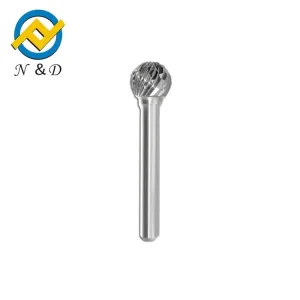
Designed for internal pocket contouring, blind-hole shaping, and structural trenching in cast iron and heavy steel components.
Get Quotes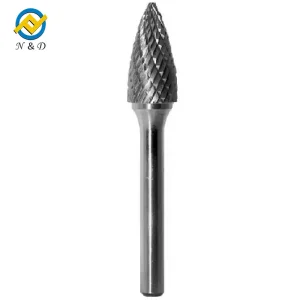
Excellent for finishing narrow, contoured profiles. Engineered to cut clean radius transitions in die components and structural repairs.
Get Quotes
Features a pointed arch outline to access tight, angled geometries. Optimal for deburring welds inside pipe layouts.
Get Quotes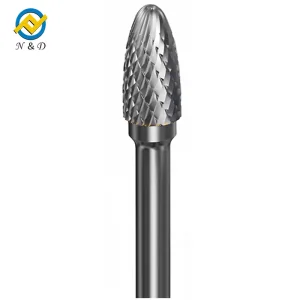
Enables smooth teardrop milling actions, reducing surface irregularities in deep stamping molds and structural castings.
Get Quotes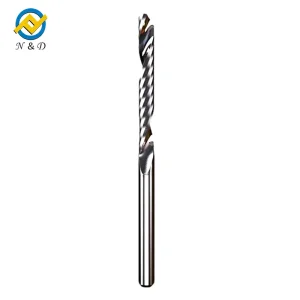
Delivers rapid chip extraction in plastic polymers, acrylics, and light-weight alloys. Minimizes heat building up on the cutting edges.
Get Quotes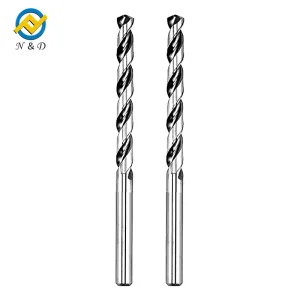
Infused with cobalt to resist structural annealing during deep drilling in heat-treated high-tensile structural steel components.
Get Quotes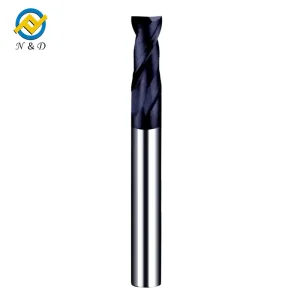
Offers superior slotting and pocketing performance in hard alloys. Tight tolerances yield exceptional surface finishes.
Get Quotes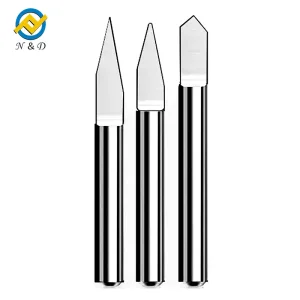
Precisely ground tip geometry designed for high-resolution micro-engraving and labeling on metallic panels and custom molds.
Get QuotesChoosing the correct tooth profile determines tool longevity and surface roughness. The following guidance outlines appropriate selection based on raw structural materials:
During the sintering phase, we implement Hot Isostatic Pressing (HIP) utilizing high-pressure Argon gas. Under 100 bar pressure, remaining internal gas pockets collapse completely. This process reduces breakage rates near the carbide-steel junction by 98.7% compared to traditional vacuum-sintered products.
Common questions from manufacturing operations managers and raw material procurement agencies in Flanders.
 N&D Carbide