Specifically engineered to meet the demanding requirements of aerospace, consumer electronics, and mold-making industries across Bac Ninh, Binh Duong, and Hai Phong.
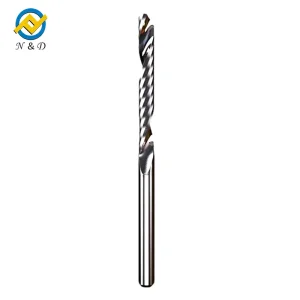
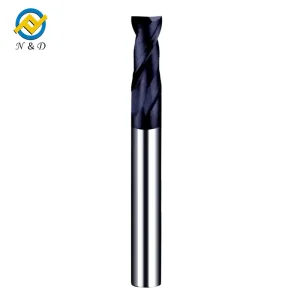
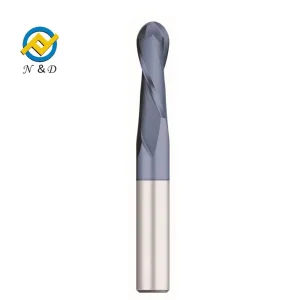
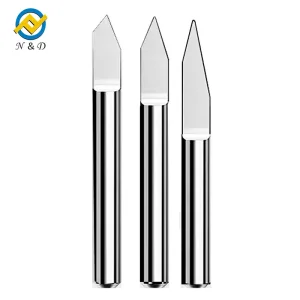
Over the last decade, Vietnam has transitioned from an assembly-centric outpost to one of the world's primary high-technology manufacturing clusters. With the aggressive relocation of global giants specializing in electronics (such as Samsung, Foxconn, and Intel) and aerospace fabricators, the local demand for exceptional industrial cutting tools has skyrocketed. Among these, Solid Carbide End Mills represent the foundational pillar for milling operations, high-speed cutting (HSC), and precision CNC engraving.
In this comprehensive whitepaper, we dissect the Vietnamese localized commercial environment, technical tool dynamics, material science advancements, and provide actionable procurement frameworks designed to help procurement managers achieve optimal Information Gain and operational cost-efficiency.
“Tool performance determines machining throughput. In Vietnam's high-volume manufacturing sectors, selecting a tool based solely on price without indexing raw material grades and surface coatings results in catastrophic downtime and severe tool wear.”
The manufacturing landscape in Vietnam is highly regionalized, creating distinct application patterns for cutting tools:
Tungsten carbide production is deeply linked to global raw ore reserves, principally Concentrated Ammonium Paratungstate (APT). Due to supply chain restructuring, raw material costs fluctuate. Premium manufacturers mitigate this volatility by optimizing manufacturing processes: utilizing high-efficiency spray drying towers, pressure sintering, and advanced multi-axis CNC grinding systems to ensure sub-micron grain integrity.
For high-precision applications in Vietnam, sourcing tools made from nano-grain carbide substrates (grain size < 0.6μm) with 10% to 12% Cobalt content provides the best combination of edge toughness and impact resistance, ensuring stable machining on high-hardness steels (up to 55-65 HRC).
Engineered features that reduce tool vibration, maximize feed rates, and drastically extend tool life on demanding CNC equipment.
Utilizing high-grade tungsten carbide with ultra-fine grain structures. This provides superior heat-resistance, maintaining sharp cutting edges at high temperatures.
Advanced AlTiN and nACo multi-layered coatings achieve hardness values exceeding 3000 HV, offering thermal protection up to 900°C for dry high-speed machining.
Variable helix (35°/38°) designs distribute cutting impacts unevenly. This suppresses vibration chatter and ensures clean surface finishes on deep cavities.
In industrial procurement, obtaining quotes for high-quality solid carbide end mills involves balancing initial tooling unit costs with the total cost per part machined. Cheap cutters often fail prematurely, requiring frequent tool changes and reducing spindle utilization rates.
Below is a standardized technical pricing framework based on tool diameter, coating selection, and flute configurations, widely referenced in the Vietnamese market:
| Tool Type & Coating Profile | Diameter Range | Recommended Workpieces | Est. Price Band (USD) |
|---|---|---|---|
| 2-Flute Uncoated / DLC Spiral | Ø 1.0mm - Ø 6.0mm | Aluminum Alloys (6061/7075), Acrylics, Copper | $3.50 - $9.80 |
| 3-Flute High-Helix AL-Series | Ø 3.0mm - Ø 12.0mm | High-Speed Aluminum Routing, Non-ferrous alloys | $5.20 - $18.50 |
| 4-Flute AlTiN Coated HRC55 | Ø 4.0mm - Ø 16.0mm | Carbon Steels (S45C), Alloy Steels, Pre-hardened Die Steels | $6.80 - $28.00 |
| 4/6-Flute nACo Coated HRC65 | Ø 6.0mm - Ø 20.0mm | Hardened Die Steel (H13, Cr12MoV), Stainless Steels (304/316) | $12.50 - $48.00 |
| Ball Nose Tapered 3D Cutters | R0.5 - R3.0 (Tapered) | Complex 3D molds, Die-Casting inserts, relief patterns | $8.00 - $22.50 |
Note on Custom Quotes: Custom geometries, customized step drills, specialized corner-radius designs, and high-volume batch orders are quoted individually. Large volume orders for enterprises in industrial parks (e.g., VSIP Binh Duong, Que Vo IP) qualify for significant tier-based discounts. Forward your technical drawings directly to our engineers via the secure contact page.
From raw elements to precision micro-grain structures, we implement strict quality-gate inspections at every manufacturing step.

Mixing carbide powder, cobalt, aviation gasoline, and alloy balls.

Extracting raw moisture, adding organic binders, and filtering residuals.

High-pressure compression to form the raw structural rod blanks.

HIP Sintering blanks at 1450°C to achieve optimal structural density.

5-axis CNC grinding centers grind spiral flutes and core parameters.

Rigorous micro-geometry and runout testing (within <0.005mm).
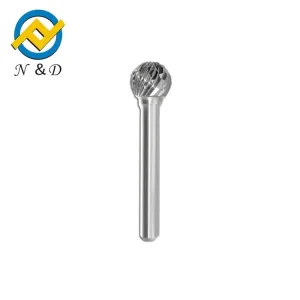
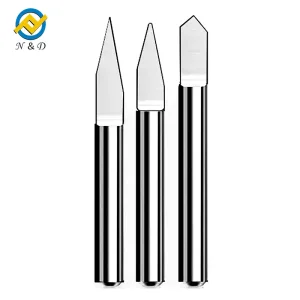
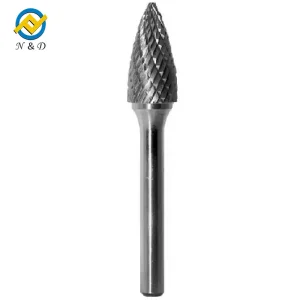
Explore our highly requested tungsten carbide product range, utilized across manufacturing workshops in Vietnam and worldwide.
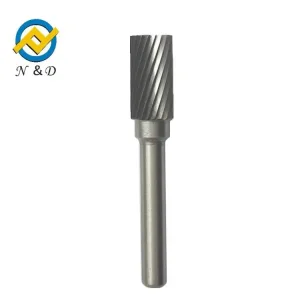
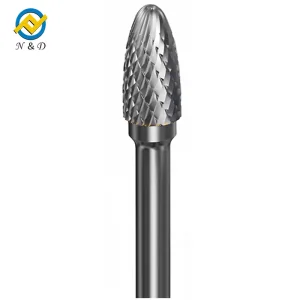
Delivering advanced tungsten carbide components to over 60 countries since 2004.
From specialized diameters to complex step-geometries, we deliver custom tooling built to your exact CNC program requirements.
High Cobalt composition prevents micro-chipping, ensuring reliable processing and smooth surface finishes on tough alloys.
High feed rates and deep cutting capability shorten production cycles, lowering overall cost-per-part in high-volume runs.
Experienced engineers assist with tool path programming, machining speed optimization, and localized troubleshooting.


Founded in 2004, our company is a leading manufacturer of tungsten carbide products, specializing in the production of high-quality carbide materials. Headquartered in Guanghan, Sichuan Province, China, we have become an industry leader, serving a wide range of industries including mining, construction, oil and gas, and manufacturing. Our commitment to excellence and innovation allows us to expand our business and meet the needs of our customers around the world.
As a company with 120+ dedicated employees, we pride ourselves on providing quality products that meet the diverse needs of our customers. Our team consists of experienced professionals who are well versed in the intricacies of tungsten carbide manufacturing, ensuring our products meet the highest standards of precision and durability. Through continued investment in research and development, we strive to be at the forefront of technological advancement, allowing us to provide our customers with cutting-edge solutions.
Connect With Sourcing TeamStay updated on cutting tool developments, sustainable carbide manufacturing practices, and CNC efficiency strategies.

Discover how modern tooling plants incorporate eco-friendly practices, including closed-loop zinc recovery recycling of scrap scrap carbide...
Read Research Paper →
An in-depth study analyzing supply chains, volatile cobalt prices, and how sub-micron grain development is changing machining parameters...
Read Full Report →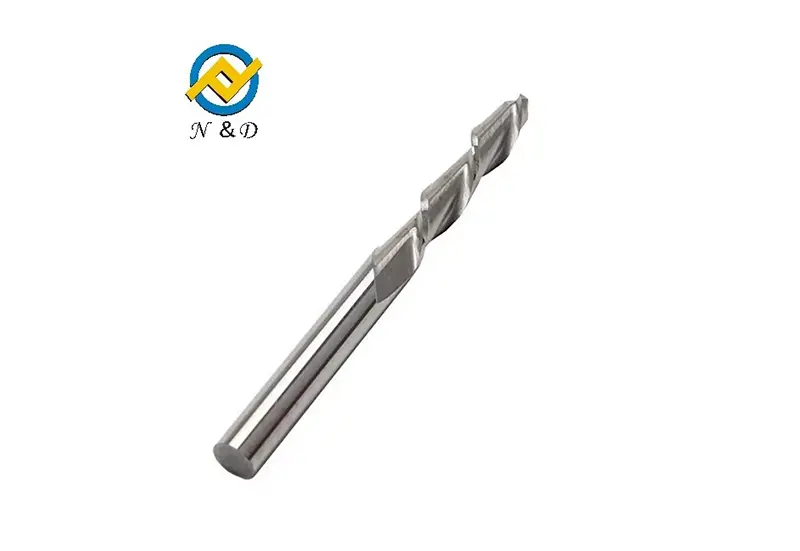
An analysis of micro-grain solid carbide twist drills with internal coolant supply, delivering up to 3x faster cutting speeds in tough structural steels...
Explore Case Study →Find answers to common machining questions and procurement strategies for Vietnam's industrial sectors.
Corner chipping is usually caused by excessive vibration chatter or high heat buildup. We recommend utilizing a variable-helix geometry (e.g., 35°/38° configuration) and applying an AlTiN/nACo coating to manage cutting temperatures. Ensure your spindle runout is below 0.005mm and reduce feed-per-tooth values slightly when profiling corner paths.
Yes. Aluminum is highly ductile and prone to built-up edge (BUE) formation, where chips weld to the tool flute. Diamond-Like Carbon (DLC) coatings have a very low friction coefficient (under 0.1) and exceptionally high hardness, which prevents chip welding, improves surface finishes, and extends tool life up to 5 times compared to uncoated tools.
For standard solid carbide end mills held in stock, shipment processing takes 3–5 working days. For custom OEM profiles or specialized geometries (e.g., custom step-drills or non-standard diameters), typical production lead times range from 15 to 25 days, depending on manufacturing complexity. All orders are safely packed and delivered using trusted international freight carriers.
For milling highly abrasive castings and hardened tool steel, opt for sub-micron or ultra-fine grain substrates (0.2μm to 0.5μm) paired with a high cobalt concentration (typically 12%). This structure ensures the cutting edge resists high forces and micro-chipping while keeping a very sharp cutting radius.
Get in touch with our application engineering team for customized tool parameter blueprints, spindle-speed analysis, and custom volume discounts.
 N&D Carbide