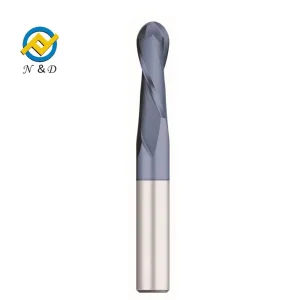
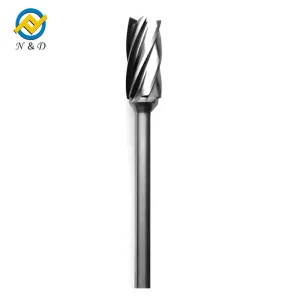
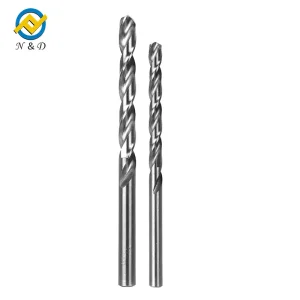
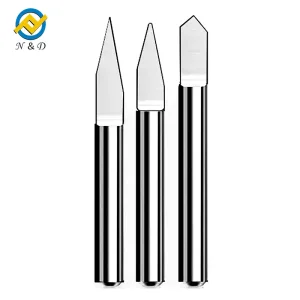
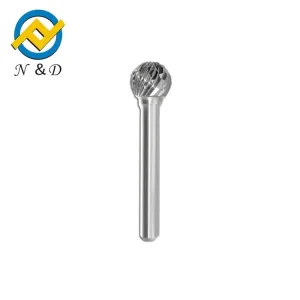
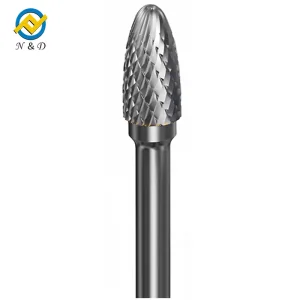
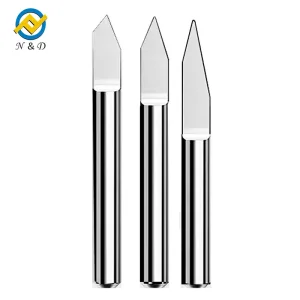
Explore our premium standard and custom tool matrices designed for CNC precision machining, heavy metal removal, and complex geometries.
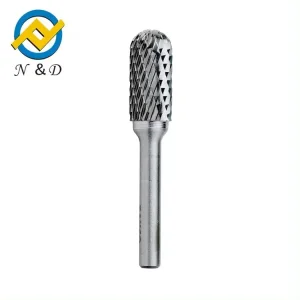
An authoritative guide on mechanics, coating strategies, localized implementations, and financial ROI within heavy-duty CNC applications.
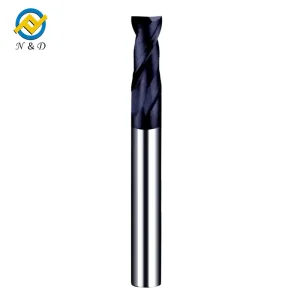
In modern subtractive manufacturing, the ability to generate clean undercuts, O-ring grooves, thread reliefs, and complex multi-axis geometries without multiple setups is critical. The Square Undercutting End Mill (often referred to as a relieved-neck square end mill) is engineered specifically for this purpose. Unlike traditional end mills, these specialized tools feature a reduced neck diameter behind a precise cutting length. This geometry allows the tool to reach into confined inner channels, back-draft profiles, and T-slots without the shank rubbing against the workpiece.
From a mechanical perspective, undercutting creates unique load challenges. The elongated, reduced neck of the tool dramatically reduces its radial stiffness, making it exponentially more susceptible to deflection and harmonic resonance (chatter) than standard solid tooling. According to beam deflection equations, deflection increases cubicly ($L^3$) as the neck length increases. Therefore, mitigating this deflection requires sub-micron manufacturing tolerances, highly optimized flute geometries, and advanced multi-axial toolpath strategies.
At a macro-industrial scale, square undercutting end mills act as crucial facilitators in key sectors. In aerospace engineering, they are deployed to machine weight-reduction pockets in complex structural titanium frames. In medical manufacturing, they profile the intricate locking mechanisms of orthopedic implants.
To survive the abrasive forces of high-speed machining (HSM) in hardened steels, we start with premium ultra-fine grain tungsten carbide substrate matrices. By utilizing a grain sizing between 0.2μm and 0.5μm and keeping cobalt concentration strictly balanced between 10% and 12%, we achieve a remarkable balance of high hardness (up to 92 HRA) and exceptional transverse rupture strength.
| Material Class | Hardness Range | Recommended Coating | Optimal Rake Angle | Helix Angle |
|---|---|---|---|---|
| Hardened Die Steel (H13, D2) | 45 - 62 HRC | TiAlSiN (Nano-structured) | 3° to 6° (Negative) | 35° / 38° (Variable) |
| Aerospace Titanium (Ti-6Al-4V) | 30 - 45 HRC | AlTiN (High-Thermal) | 8° to 12° (Positive) | 40° / 42° (Variable) |
| Medical Alloys (Co-Cr, Stainless 316L) | 28 - 40 HRC | CVD Crystalline Diamond | 10° to 14° (Highly Positive) | 38° |
Our cutting-edge coatings, such as TiAlSiN (Titanium Aluminum Silicon Nitride), form a protective micro-crystalline layer of amorphous silicon nitride ($Si_3N_4$) inside the cut. This layer acts as a thermal barrier, withstanding heat up to 1100°C, preventing catastrophic thermal cracking at high feed rates.
As the world shifts toward lightweight electric vehicles (EVs), highly integrated semiconductor components, and extremely complex medical robotics, precision machining operations are facing unprecedented challenges. Machining single-piece structural components, known as "monolithic components," is rapidly replacing multi-part assemblies to save weight and increase strength. These structures often feature tight, deep, and thin-walled pockets with deep undercuts that require highly rigid, long-reach square undercutting tools.
Global tool supply chains are also shifting toward suppliers who can guarantee both rapid delivery and customized designs. As a premier manufacturer, we leverage a digital, closed-loop production system. This allows us to transition custom tool designs from 3D CAD modeling directly to 5-axis CNC grinding machines in just days, ensuring global manufacturers maintain minimal inventory while relying on zero-downtime tool supply strategies.
Depending on your regional market, the operational environment for CNC milling dictates specific tool setups and cutting environments:
Operating globally requires localized accountability. Headquartered in Guanghan, Sichuan Province, China, we provide localized support networks that ensure rapid delivery of custom designs and on-site technical support to our clients.
Every batch of our high-quality carbide tooling undergoes comprehensive, multi-step quality control. Utilizing Zoller Genius 3D optical inspection equipment, we measure every tool for outer diameter (OD) tolerance, rake angle deviation, and radial runout. Our production lines maintain strict compliance under the ISO 9001:2015 Quality Management System, and our entire raw material supply chain meets REACH and RoHS international environmental directives.
The future of undercutting technology lies in advanced geometries and digital integration. Our engineering teams are actively developing several innovations on our technical roadmap:
A statistical look at our established capabilities, high operational standards, and extensive global partnership network.
From metallurgical blending to advanced 5-axis CNC grinding, how we build unmatched stability into every carbide tool.
We blend raw tungsten carbide powder, pure cobalt, rare metals, and alloy balls with aviation gasoline in high-shear systems to form a homogeneous matrix.
The wet slurry is carefully dried. Natural organic paraffin binders are added to ensure reliable grain flow and pressing density.
Our computerized automatic presses compact the powder into uniform blanks, achieving a highly consistent raw density distribution.
Blanks are heated to 1450°C in HIP (Hot Isostatic Pressing) sintering furnaces, removing porosity and cementing the ultra-durable microstructure.
Using top-tier 5-axis CNC grinders (such as ANCA and Walter), we grind the relief angles, flute shapes, and neck profiles with sub-micron precision.
Every tool undergoes full visual and structural testing on automated Zoller inspection tables to verify zero defects before packaging.
Founded in 2004, our company is a leading manufacturer of premium tungsten carbide products, specializing in high-performance rotary burrs, solid carbide end mills, twist drills, and custom carving tools. Headquartered in Guanghan, Sichuan Province, China, we have grown into an industry leader, serving a wide range of industries including mining, construction, oil and gas, and manufacturing.
Our commitment to excellence and innovation enables us to expand our global reach and meet the needs of our customers around the world. Supported by 120+ dedicated employees, we pride ourselves on providing high-quality products that meet the diverse needs of our clients. Our team consists of experienced professionals who are well versed in the intricacies of tungsten carbide manufacturing, ensuring our products meet the highest standards of precision and durability.
Through continued investment in research and development, we strive to remain at the forefront of technological advancement, providing our customers with cutting-edge tooling solutions.
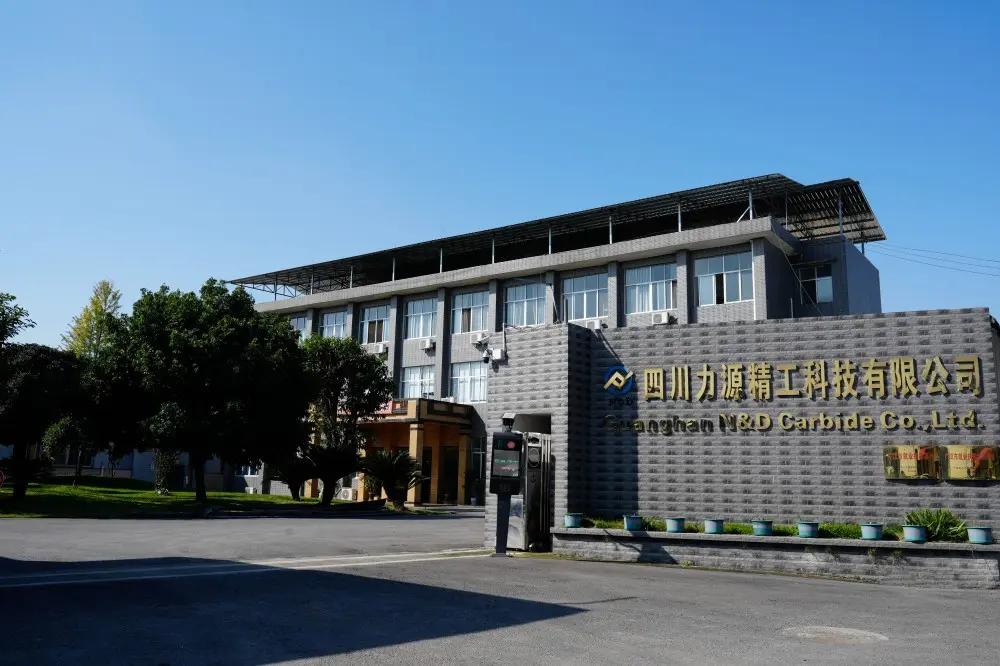
Delivering outstanding performance, end-to-end customization, and trusted service to global clients.
As a one-stop OEM & ODM manufacturer, we provide tailored tooling geometries, variable tolerances, and custom coating solutions to fit your exact specifications.
Our high-hardness carbide materials provide exceptional resistance to tool wear and thermal expansion, extending tool life and ensuring stable machining output.
Optimized chip spacing and geometry improve material removal rates, shortening your cycle times while maintaining high surface finish quality.
Our engineering team delivers comprehensive technical support, toolpath programming advice, and dedicated after-sales service to resolve your production challenges.
Expert answers to common engineering questions regarding speed settings, deflection control, and coating selections.
Stay informed with the latest updates from our materials laboratories, production facilities, and sustainable global practices.
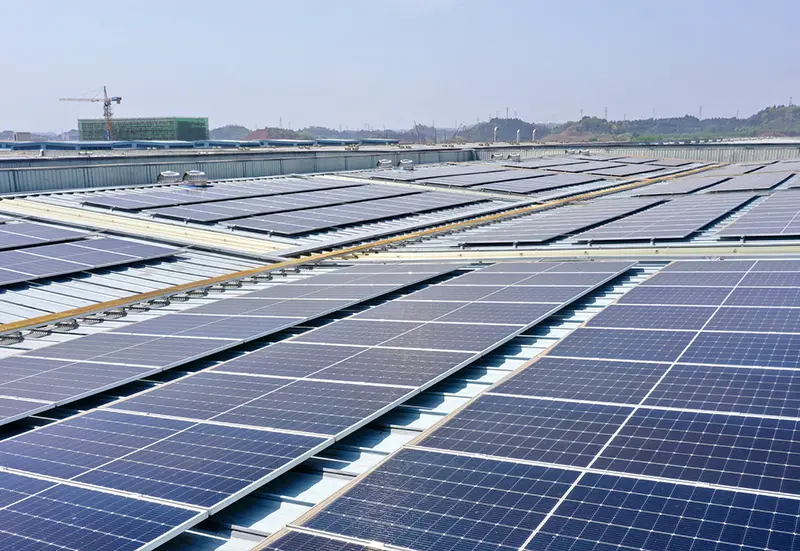
As carbon neutrality standards tighten globally, our factory is leading the integration of green energy and powder recycling protocols, proving that high-performance carbide and environmental preservation can align perfectly.

Analyzing the current pricing volatility of primary cobalt and tungsten metals, and how automated grinding processes are offsetting raw material spikes to secure competitive pricing for our global clients.
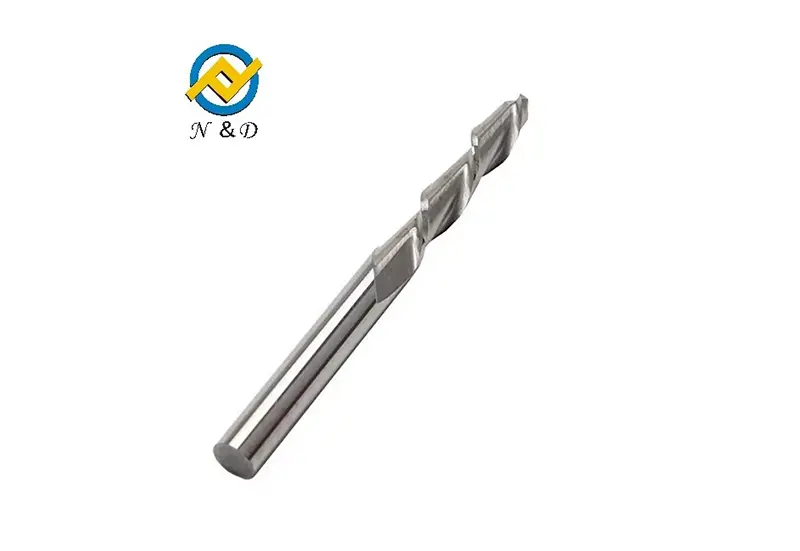
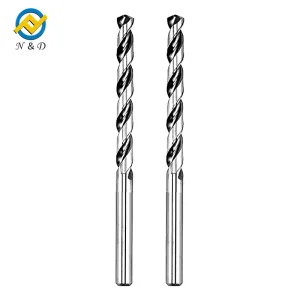
Reviewing our new range of internal-coolant solid carbide twist drills, demonstrating a 40% increase in feed rate when drilling deep blind holes in 316L stainless steel alloys.
Discover our comprehensive selection of carbide carving bits, twist drills, and specialty profile cutters built for CNC systems.
 N&D Carbide