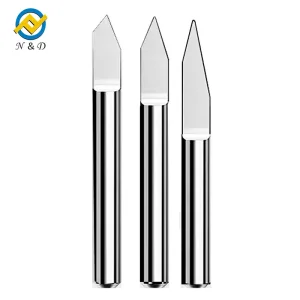
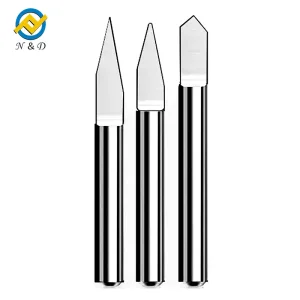
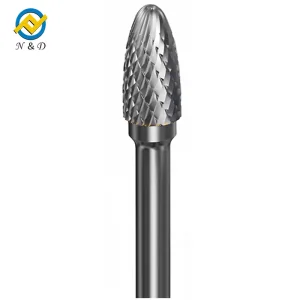
Explore our flagship industrial-grade solid carbide cutting tools engineered for maximum performance
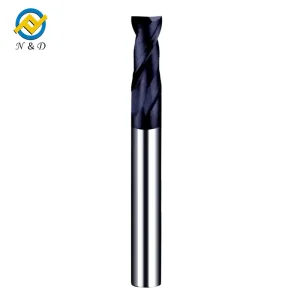
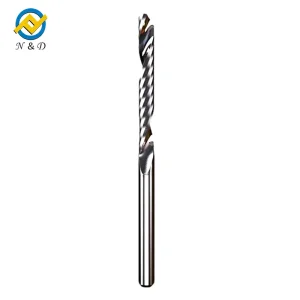
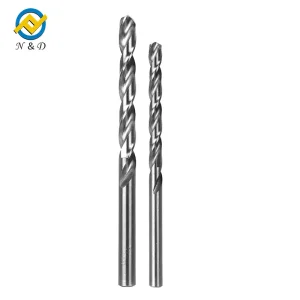
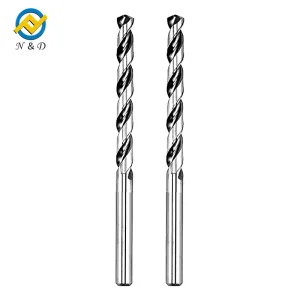
An authoritative breakdown of downcut geometry, chip dynamics, and substrate composition
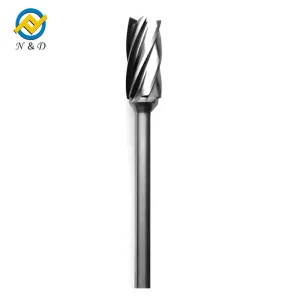
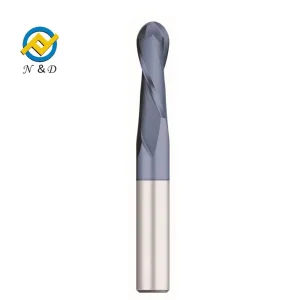
In modern high-speed CNC machining, the choice of tool geometry dictates the structural integrity, surface finish, and dimensional accuracy of the workpiece. Among the most specialized geometries is the Left Hand Spiral (Downcut) End Mill. Unlike conventional right-hand spiral (upcut) tools that pull chips upward toward the spindle, a left-hand spiral end mill features a reversed helix angle combined with a right-hand cutting rotation. This unique configuration forces the cutting forces and chips downward, pressing the workpiece firmly against the vacuum table or fixture.
This downward force is highly advantageous when machining thin sheets, laminated composites, plastics, and wood veneers. By eliminating the lifting action, downcut end mills prevent delamination, splintering, and lifting of thin materials, ensuring an exceptionally clean edge on the top surface of the workpiece. However, because the chips are pushed downward into the cut, this geometry requires precise chip clearance strategies to avoid heat buildup and tool breakage in deep slotting applications.
"The physics of downcut tooling relies on the redirection of axial forces. By converting upward tensile stress into downward compressive stress, we eliminate the primary cause of composite delamination and thin-sheet vibration."
— Chief Technical Officer, N&D Carbide Research Lab
At our state-of-the-art manufacturing facilities, we utilize sub-micron and nano-grain tungsten carbide substrates with cobalt binder content optimized between 6% and 12%. This metallurgical precision ensures that our left-hand spiral end mills maintain an ultra-sharp cutting edge while offering the high fracture toughness required to withstand the continuous compressive forces of downcut milling.
How next-generation materials, coatings, and AI-driven geometries are shaping the future of downcut milling
We are pioneering the application of Diamond-Like Carbon (DLC) and chemical vapor deposition (CVD) crystalline diamond coatings. These coatings reduce friction coefficients to under 0.1, preventing material adhesion when routing highly abrasive carbon fiber reinforced polymers (CFRP) and sticky aluminum alloys.
Our R&D roadmap includes the integration of variable helix and dynamic pitch designs into left-hand spiral configurations. By continuously altering the helix angle along the flute length, we disrupt harmonic frequencies, dramatically reducing chatter and allowing for higher material removal rates (MRR).
Looking toward Industry 5.0, we are researching the embedding of passive RFID chips and micro-sensors within the tool shank. This technology will allow smart CNC spindles to read real-time wear metrics, thermal profiles, and vibration data directly from the left-hand spiral end mill during operation.
Solving complex manufacturing challenges across global industrial sectors
In aerospace manufacturing, Carbon Fiber Reinforced Polymers (CFRP) and Glass Fiber Reinforced Polymers (GFRP) are widely used for structural components due to their high strength-to-weight ratios. However, machining these materials with standard upcut tools often leads to severe delamination and fiber breakout at the exit surface. Our custom-engineered left-hand spiral end mills apply a continuous downward force that keeps the composite layers compressed, ensuring clean, burr-free edges that meet stringent aerospace quality standards.
The electronics industry requires rapid, ultra-precise routing of printed circuit boards (PCBs) made of FR4 and copper-clad laminates. Standard tooling can lift the copper traces from the fiberglass substrate. Our single-flute and multi-flute downcut spiral end mills are the industry standard for PCB manufacturers, ensuring crisp trace separation and zero lifting, even at feed rates exceeding 5,000 mm/min.
With the rapid transition to Electric Vehicles (EVs), automotive manufacturers are increasingly using thin-gauge aluminum alloys and lightweight structural plastics. Machining these flexible materials requires tooling that minimizes vibration and deformation. Our left-hand spiral cutters act as a dynamic clamp, stabilizing the thin sheets during high-speed trimming operations and eliminating the need for complex, expensive custom vacuum fixtures.
Medical implants and diagnostic equipment often utilize biocompatible polymers like PEEK, UHMWPE, and acrylics. These materials are highly sensitive to heat and mechanical stress. The clean shearing action of our polished-flute downcut mills prevents material melting and burr formation, delivering medical-grade surface finishes straight from the CNC machine without the need for manual post-processing.
Inside our advanced manufacturing facility in Guanghan, Sichuan Province
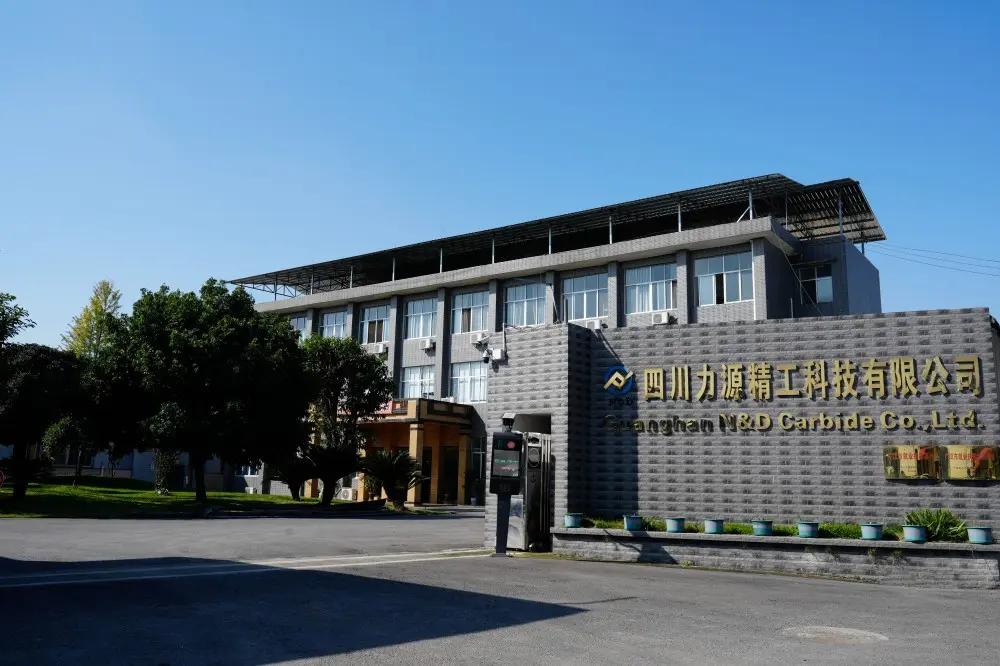
Strategically located in Guanghan, Sichuan Province, our manufacturing campus spans state-of-the-art production halls equipped with the world's most advanced 5-axis CNC grinding centers, including ANCA, Walter, and Rollomatic machines. By integrating raw material processing with precision tool grinding, we maintain absolute control over the entire supply chain.
Our commitment to Industry 4.0 principles means our production lines are highly automated, utilizing robotic loaders and closed-loop laser measurement systems to guarantee tolerances down to ±0.002mm. This technological infrastructure allows us to easily scale production from specialized custom batches to high-volume OEM runs, providing global enterprises with unmatched supply chain resilience and cost efficiency.
Homogeneous mixing of tungsten carbide, cobalt, and rare metals in aviation gasoline.
Evaporating the carrier liquid and adding organic binders to prepare the powder.
Compacting the powder into high-density green carbide rods under extreme pressure.
HIP (Hot Isostatic Pressing) sintering at 1450°C to eliminate porosity and maximize density.
Precision grinding of the left-hand spiral flutes on advanced 5-axis CNC machines.
Comprehensive quality control using Zoller optical scanners to verify all geometries.
Key considerations for industrial buyers, procurement managers, and OEM partners
When sourcing left-hand spiral end mills for high-volume production lines, focusing solely on the initial purchase price is a common procurement pitfall. The true value of a cutting tool lies in its TCO, which includes tool life, cycle times, machine downtime for tool changes, and scrap rates. A premium-grade carbide tool from our factory may cost more upfront than a budget alternative, but its superior wear resistance and optimized geometry deliver up to 300% longer tool life. This reduces tool changeover frequency, minimizes machine idle time, and drastically lowers the cost-per-part.
Every manufacturing environment has unique variables, including spindle speeds, feed rates, workpiece rigidity, and cooling methods. We specialize in providing tailored OEM and ODM solutions. Our engineering team collaborates directly with your technical staff to design custom left-hand spiral end mills with optimized helix angles, specialized core thicknesses, and application-specific coatings. Whether you require a custom shank diameter, extended reach, or a stepped downcut profile, our 5-axis CNC grinding capabilities ensure rapid prototyping and seamless transition to mass production.
In today's volatile global market, supply chain reliability is paramount. We mitigate geopolitical and logistical risks through robust raw material stockpiling and strategic partnerships with global express carriers. By maintaining a large inventory of standard carbide rods and finished tools, we guarantee rapid dispatch for standard catalog items. For custom orders, our integrated manufacturing workflow allows us to offer industry-leading lead times of just 2 to 3 weeks, ensuring your production lines never experience unexpected downtime.
Our quality management system is fully certified to ISO 9001:2015 standards. Every batch of raw tungsten carbide powder undergoes rigorous metallurgical testing before entering the production line. Furthermore, each finished left-hand spiral end mill is laser-etched with a unique batch number, providing full traceability back to the raw material lot and the specific CNC grinding machine. This level of accountability is why leading aerospace, automotive, and medical device manufacturers worldwide trust us as their primary tooling partner.
Our commitment to global environmental standards and local technical support
We are dedicated to minimizing our ecological footprint. Our factory utilizes advanced closed-loop water and oil filtration systems, recycling 98% of grinding coolants. We also partner with certified tungsten recycling programs, allowing us to reclaim scrap carbide and reduce the environmental impact of raw material extraction.
All our products are manufactured in strict compliance with international regulations, including REACH and RoHS. We guarantee that all raw materials are sourced from conflict-free mines, ensuring that your enterprise's supply chain meets the highest ethical and corporate social responsibility (CSR) standards.
To support our global distributors and end-users, we offer a dedicated team of application engineers who provide remote and on-site technical assistance. From optimizing cutting parameters (speed, feed, and depth of cut) to troubleshooting premature tool wear, we ensure you get the maximum performance out of our tools.
Expert answers to common questions about left-hand spiral end mills and factory operations
Stay updated with the latest trends, technological breakthroughs, and sustainability initiatives in the carbide industry

In 2023, the global call for sustainable development reached a new level, and companies in various industries strove to incorporate environmental protection into their development strategies. One of the leading companies is a well-known manufacturer of tungsten carbide. The manufacturer has always been at the forefront of sustainability, prioritizing environmental protection as it continues to expand its operations.

The tungsten carbide industry currently faces numerous challenges that impact its operations and growth. Tungsten carbide is a versatile material known for its hardness, wear resistance and corrosion resistance and is widely used in various industries including manufacturing, mining, construction and aerospace. However, the industry is grappling with several issues that pose significant obstacles to its progress.
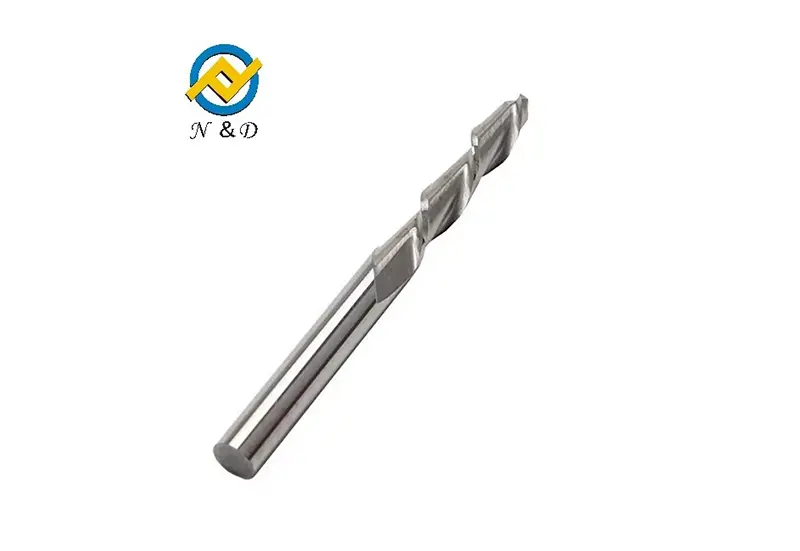
In the world of machining and metalworking, the right tools can make all the difference. That's why we're excited to introduce our latest innovation in drilling technology – the Tungsten Carbide Twist Drill. This cutting-edge twist drill is designed to deliver unparalleled performance and efficiency, making it an essential tool for a variety of applications. Tungsten carbide twist drills are a game changer in the world of drilling tools. It is crafted from solid tungsten carbide.
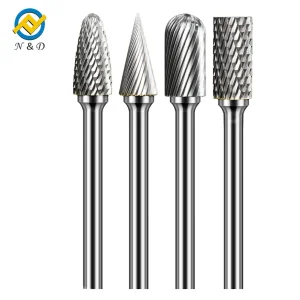
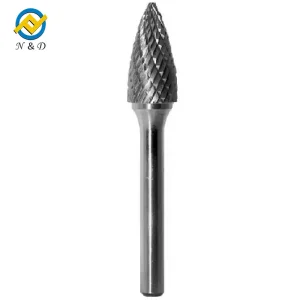
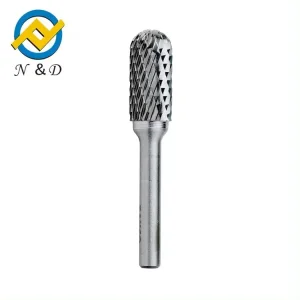
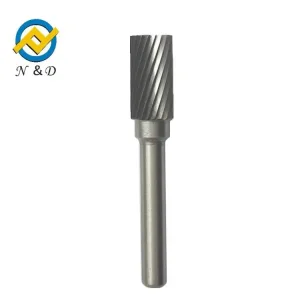
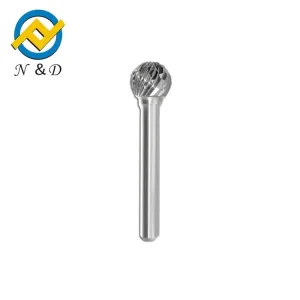
High-performance rotary burrs, engraving bits, and specialized end mills for diverse industrial applications
 N&D Carbide