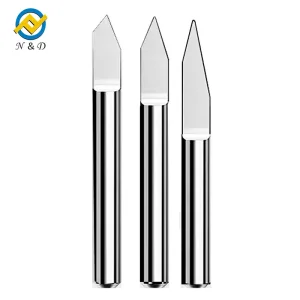
Explore our catalog of high-performance cutting tools designed for precision engineering. These industry-standard configurations optimize stability and finish.
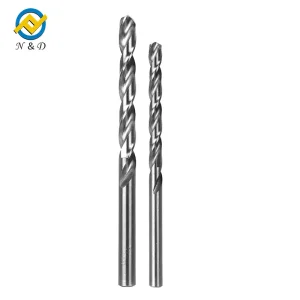
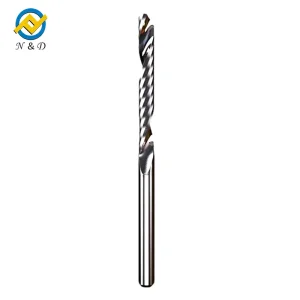
The manufacturing landscape for aluminum machining is witnessing a paradigm shift driven by light-weighting trends in structural transport and high-speed CNC developments.
Modern spindles operating at upwards of 20,000 RPM require tools with exceptional dynamic balance. Balanced design minimizes centrifugal stresses, ensuring that single and multi-flute carbide tooling performs smoothly under severe spindle speeds, maximizing throughput without sacrificing accuracy.
Standard uncoated carbide, while sharp, faces degradation under aggressive feeds. The transition to advanced Diamond-Like Carbon (DLC) and Zirconium Nitride (ZrN) coatings provides a chemical barrier against aluminum adhesion. These ultra-thin, low-friction coatings drastically lower cutting temperature and tool wear.
Ecological regulations push factories to reduce heavy flood coolants. High-efficiency end mill designs leverage specialized chip breakers and variable helix geometries to assist in chip evacuation via Minimum Quantity Lubrication (MQL) or clean dry air blast systems, lowering manufacturing carbon footprints.
For procurement officers and factory supply chains in modern aerospace, defense, and automotive sectors, selecting an end milling aluminum supplier is not merely about finding the lowest price list. It demands a rigorous check of engineering capabilities, raw material origins, and consistent physical tolerances.
Key procurement metrics we routinely satisfy include:
A tool's price is only a fraction of machining expenses. The true savings emerge from minimizing machine downtime. By choosing our premium-grade carbide configurations, factories report up to a 45% increase in tool life and a 30% reduction in cycle times. This efficiency lowers the cost per component, yielding long-term financial benefits.
We deliver tailored engineering architectures designed to solve unique technical challenges across specialized industrial sectors.
Thin-walled aluminum structures (such as aircraft ribs) are prone to deflection. Our engineered 3-flute variable pitch end mills control harmonics, mitigating vibration while yielding excellent surface finishes (<0.4μm Ra).
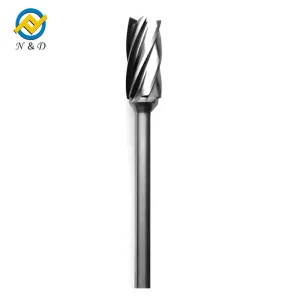
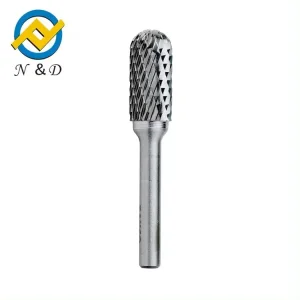
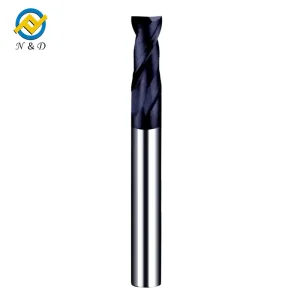
Large-scale milling of cast and extruded aluminum alloys requires massive chip pockets. Our single and double-flute end mills boast polished cylindrical margins and mirror-finished flutes that prevent built-up edge (BUE) in high-volume runs.
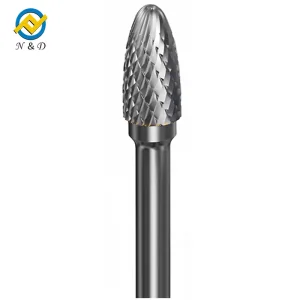
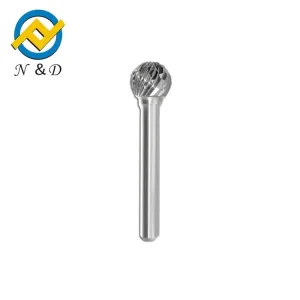
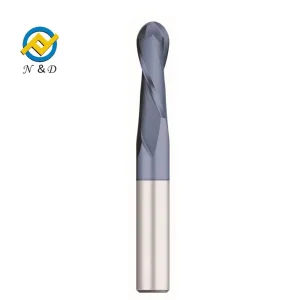
Machining complex core cavities requires reliable ball-nose cutters. Utilizing our premium carbide ball nose mills with high-rigidity neck designs enables toolmakers to achieve exact contours with zero tool deflection.
Every mill and cutter starts as raw high-purity powder and is transformed into a high-performance machining tool. Here is how we ensure stability and wear resistance through advanced processes.

We mix high-purity tungsten carbide, cobalt binders, crucial rare metals, aviation-grade gasoline, and alloy grinding media inside ball mills to create a perfectly homogenized slurry.

The wet slurry undergoes spray drying. We blend in special binding gums while recovering and filtering out the volatile aviation gasoline components for ecological safety.

The dried tungsten carbide powder mixture is loaded into high-precision modular molds and compressed under high pressure to form green compact carbide rods.

Rods are processed in a Hot Isostatic Pressing (HIP) furnace at over 1400°C. Sintering eliminates internal voids, maximizing material density and mechanical strength.

Our advanced 5-axis CNC grinding machines form the flutes, relief angles, and chip gash geometries. This step defines the tool's sharpness and concentricity.

Every production batch undergoes thorough inspection of dimensions, tooth profiles, surface roughness, and cobalt phase distribution to meet global tolerances.


Founded in 2004, our company is a leading manufacturer of tungsten carbide products, specializing in the production of high-grade carbide materials and cutting tools. Headquartered in Guanghan, Sichuan Province, China, we have grown into an industry-recognized leader, serving sectors including mining, aerospace, automotive, electronics, oil and gas, and mold manufacturing.
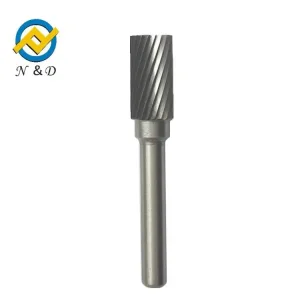
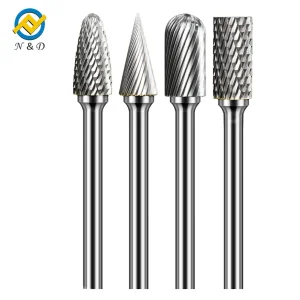
With a dedicated team of over 120 experienced professionals, we have engineered tool solutions for clients across more than 60 countries. Our technicians combine decades of metallurgy experience with ongoing investment in research and development. This focus on engineering excellence guarantees that our rotary burrs, end mills, twist drills, and engraving cutters conform to international standards of precision and wear resistance.
By maintaining control over the entire production cycle—from powder wet grinding to multi-axis CNC grinding—we deliver customized OEM/ODM services tailored to global manufacturing demands.
We combine manufacturing scale with localized technical support to ensure seamless integration and compliance for factories worldwide.
All raw materials are certified conflict-free, traceably sourced, and fully compliant with ISO 9001:2015, RoHS, and REACH. We provide full material composition declarations to meet environmental audits.
We provide localized engineering support. Whether you require variable helix angles, customized shank configurations, or specific step dimensions, our R&D team designs and tests tools for your specific workpiece alloys.
We do more than supply tools; we offer application consulting. Our engineers assist you in calculating speeds, feeds, and depth of cut (Ap/Ae) parameters to reduce cycle times and maximize tool life.
Our focus is on precision manufacturing innovation. We continually optimize our processes to meet the demands of tomorrow's industrial applications.
Developing sub-micron grain tungsten carbide composites (<0.5μm) to increase structural toughness and chipping resistance at the cutting edge.
Polishing flutes to a mirror finish (<0.1μm Ra). This smooth surface minimizes chip friction and prevents built-up edge (BUE).
Designing variable helix and pitch configurations to disrupt harmonic frequencies during high-speed machining, reducing chatter.
Partnering with research centers to develop thick, high-adhesion DLC coatings. These coatings extend tool life when machining abrasive cast aluminum.
Find quick, professional answers to technical questions about aluminum end milling, tooling geometry, and parameters.
Stay updated with the latest technological developments, material research, and sustainable manufacturing practices.
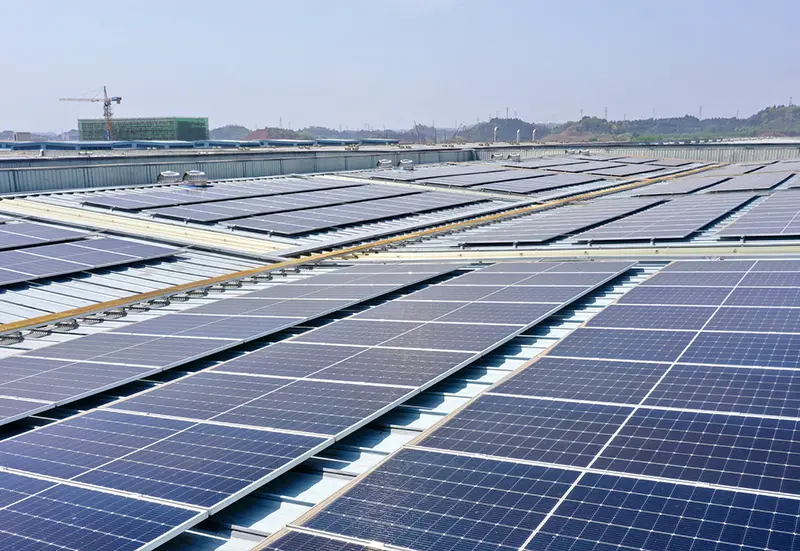
Global industry calls for environmental responsibility. We continue to incorporate environmental protection into our core strategies, focusing on resource reclamation, gas filtration systems, and low-waste processing methodologies.

The tooling industry faces shifting raw material access and pricing volatility. We examine technical adjustments, recycling frameworks, and the integration of next-generation alloys to maintain supply stability.
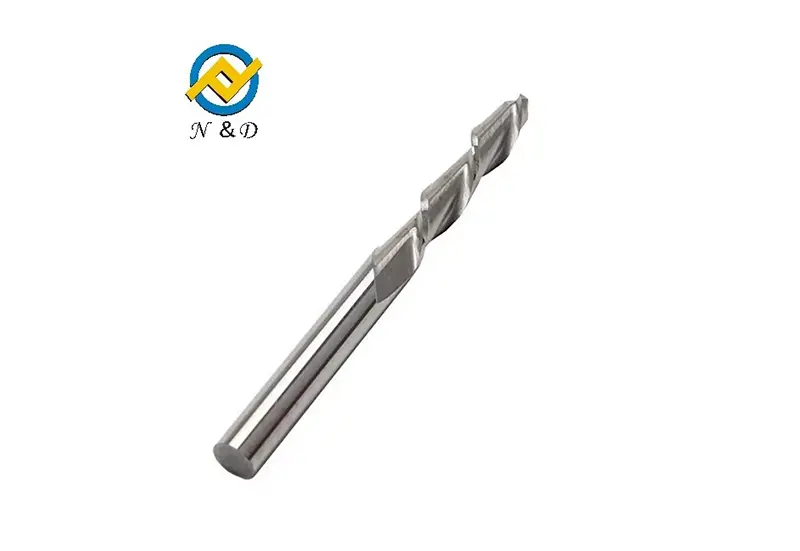
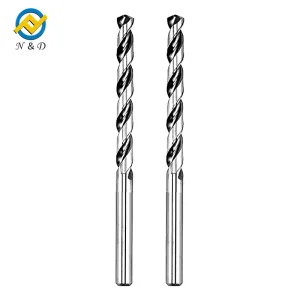
Our latest twist drill design integrates variable geometry and polished margins to optimize performance. Early tests show a significant reduction in cycle times for deep-hole drilling in tough workpiece alloys.
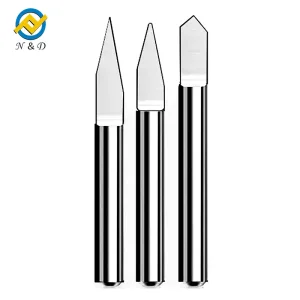
Explore our specialized cutting tool solutions. From high-feed milling to intricate engraving, our products are engineered for consistency and tool life.
 N&D Carbide