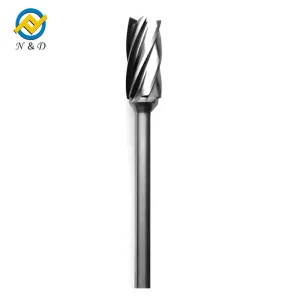
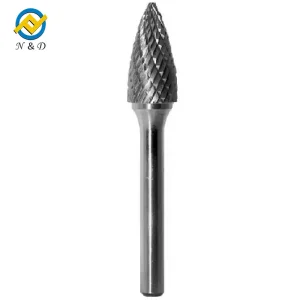
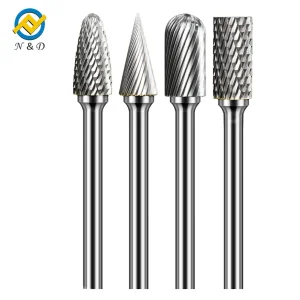
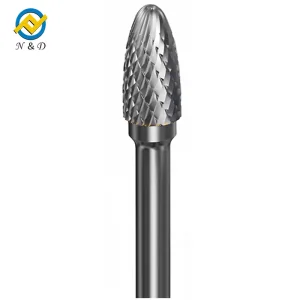
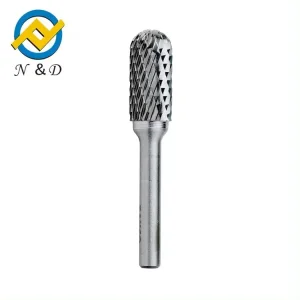
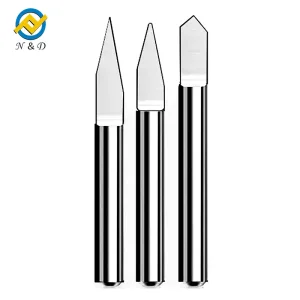
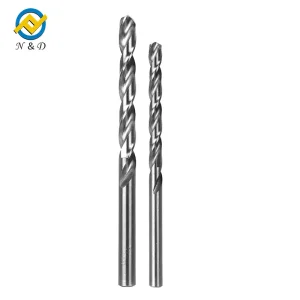
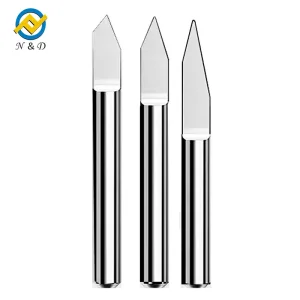
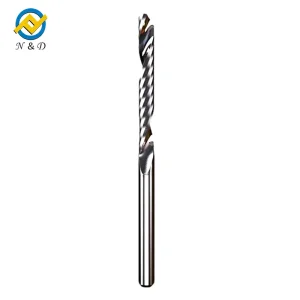
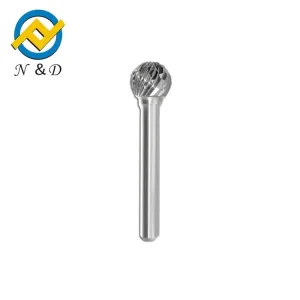
The global manufacturing landscape is undergoing a radical transition. As industries like aerospace, electric vehicles (EV), and renewable energy shift towards lightweight, high-strength materials such as Carbon Fiber Reinforced Polymers (CFRP), high-silicon aluminum alloys, and ceramics, traditional carbide tools are reaching their physical limits. This is where Diamond Coated Endmills have emerged as the "Gold Standard" for modern machining.
According to recent industrial market intelligence, the demand for Diamond-Coated tools is projected to grow at a CAGR of 8.5% over the next decade. Manufacturers and factories are no longer just producing tools; they are engineering "Wear Resistance Solutions." In regions like North America and Europe, the focus has shifted towards CVD (Chemical Vapor Deposition) diamond coatings, which provide a crystalline diamond structure that is virtually identical to natural diamond, offering hardness levels of up to 10,000 HV (Vickers).
Our role as a leading manufacturer since 2004 has been to bridge the gap between high-performance coating technology and cost-effective industrial application. By controlling the entire value chain—from wet grinding of raw tungsten carbide to the final 5-axis CNC gear opening cutting—we provide information gain to our clients, helping them understand that the total cost of ownership (TCO) is significantly reduced through tool longevity, even if the initial investment is higher than standard carbide.
HV Surface Hardness
Tool Life vs. Uncoated
Precision Tolerance
Exporting Countries
Diamond-Like Carbon (DLC) was the initial entry point. While providing low friction, its amorphous structure lacked the thermal stability for heavy-duty industrial milling. Best for non-ferrous decorative or light-load parts.
The introduction of true crystalline diamond growth on carbide substrates. This provides the immense hardness needed for machining graphite and high-silicon aluminum, though surface roughness was a challenge for finishing.
The current frontier. Our factory utilizes multilayer CVD techniques, alternating between micro and nano-diamond grains. This results in a tool that is both incredibly hard and remarkably smooth, reducing cutting forces and heat buildup.
In aerospace hubs like Seattle (USA) or Toulouse (France), the machining of CFRP components is a daily challenge. Carbon fibers are extremely abrasive. Standard carbide tools dull within minutes. Our Diamond Coated Endmills are engineered to maintain a sharp cutting edge, preventing delamination and fiber breakout, which are critical for flight safety standards.
Modern engine efficiency requires lightweight alloys. However, the silicon particles in these alloys act like sandpaper on tools. Our factory-grade diamond coating provides a thermal barrier, allowing for higher spindle speeds (RPM) and feed rates, drastically shortening the production cycle for automotive OEMs.
For die-mold factories, graphite is the primary material for EDM electrodes. Graphite dust is abrasive and difficult for standard tools. Our diamond-coated solutions allow for "dry machining" with ultra-long tool life, maintaining the tight tolerances required for precision mold making.
How N&D Tungsten Carbide ensures world-class quality from powder to finished tool.
Mix tungsten carbide, cobalt, rare metals, aviation gasoline and alloy balls to create a homogenized base material.
Dry the mixture, then add ginseng gum and filter out the aviation gasoline to prepare for pressing.
Using high-pressure molding to shape the tungsten carbide powder into tool blanks with precision density.
Sinter the tungsten carbide blank in a controlled vacuum environment to reach maximum hardness and toughness.
Adopt advanced 5-axis CNC gear grinding machines to cut the gear opening and ensure perfect geometry.
Final inspection of tooth profiles, coating thickness, and carbide content to meet global standards.

Founded in 2004, our company is a leading manufacturer of tungsten carbide products, specializing in the production of high-quality carbide materials. Headquartered in Guanghan, Sichuan Province, China, we have become an industry leader, serving a wide range of industries including mining, construction, oil and gas, and manufacturing.
Our commitment to excellence and innovation allows us to expand our business and meet the needs of our customers around the world. As a company with 120+ dedicated employees, we pride ourselves on providing quality products that meet the diverse needs of our customers. Through continued investment in research and development, we strive to be at the forefront of technological advancement, allowing us to provide our customers with cutting-edge solutions.
While PCD (Polycrystalline Diamond) tools offer great hardness, they are limited by geometry (usually straight flutes or tipped). Diamond Coated Endmills allow for complex helical geometries (flutes), which are essential for chip evacuation in deep-hole drilling or complex milling.
No. Diamond is made of carbon. When machining ferrous materials (steel/iron), a chemical reaction occurs at high temperatures where the carbon atoms in the diamond dissolve into the iron, causing rapid tool failure. For steel, use AlTiN or TiSiN coatings.
CVD (Chemical Vapor Deposition) grows actual diamond crystals on the carbide. PVD (Physical Vapor Deposition) usually produces "Diamond-Like Carbon" (DLC). CVD is significantly harder and offers 10x more wear resistance in abrasive materials like graphite and CFRP.
Adhesion is key. Our factory uses a proprietary pre-treatment process to remove cobalt from the surface of the carbide substrate (de-cobalting), which ensures a strong chemical bond between the diamond crystals and the tungsten carbide.
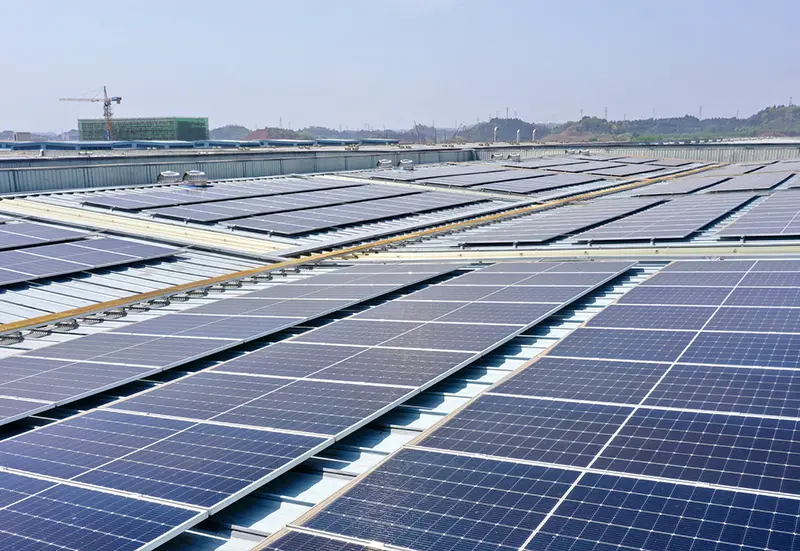
Exploring eco-friendly production methods in 2023 and beyond.

Addressing the challenges and opportunities in high-hardness materials.
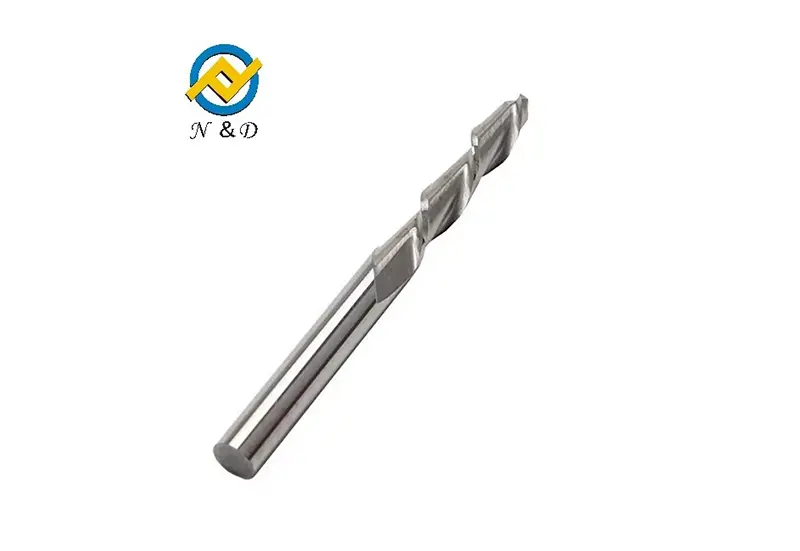
How our latest twist drills are changing the metalworking world.
 N&D Carbide