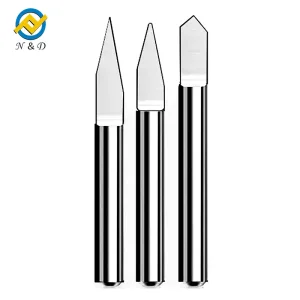
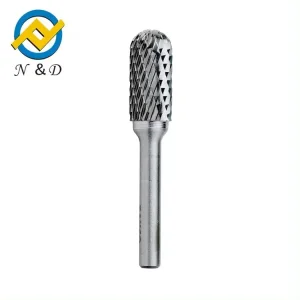
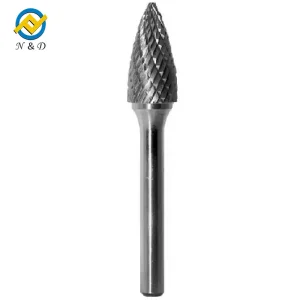
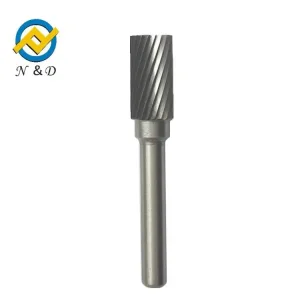
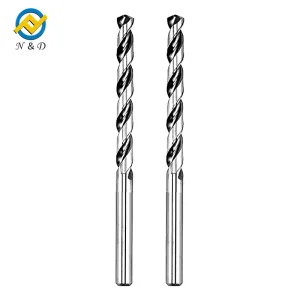
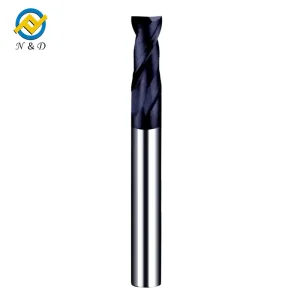
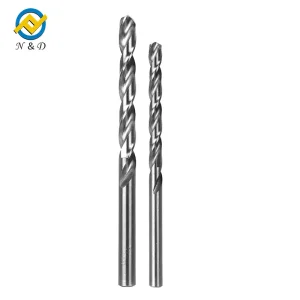
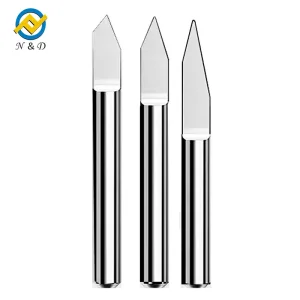
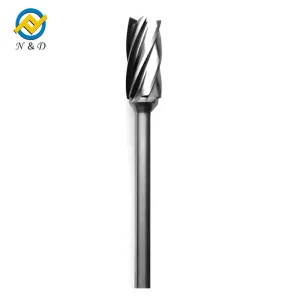
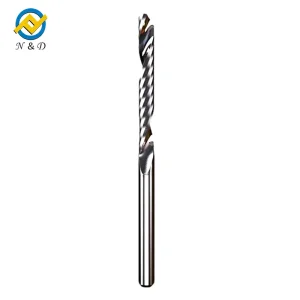
The industrial machining sector is currently undergoing a radical transformation driven by the demand for higher precision and faster throughput. Core Cutter End Mills, specifically those engineered from sub-micron tungsten carbide, have moved from being specialty tools to essential assets in the global manufacturing supply chain. In 2024 and beyond, the core cutter market is not just about material removal; it is about "Surface Integrity" and "Thermal Management."
From the automotive hubs in Germany to the burgeoning aerospace clusters in North America and the electronics manufacturing powerhouses in Southeast Asia, the adoption of specialized core cutting geometries is rising. Industry data suggests that the global carbide tool market will reach a valuation of USD 15.5 billion by 2028, with high-performance end mills accounting for the largest share of this growth.
Utilizing high-helix core cutters for machining titanium and Inconel. The focus is on reducing heat dissipation and preventing work hardening of sensitive components.
Micro-diameter core cutters are crucial for orthopedic implants and surgical instruments where micron-level tolerances are non-negotiable.
New lightweight alloys and composite materials used in Electric Vehicles require advanced coating technologies like DLC (Diamond-Like Carbon) on core cutters.
What differentiates a standard end mill from a "High-Quality Core Cutter"? It begins at the molecular level. Our factory utilizes a proprietary Wet Grinding process, mixing premium Tungsten Carbide with Cobalt and rare Earth metals to ensure a homogeneous structure.
Modern core cutters are rarely uncoated. Our roadmap includes the integration of AlTiN (Aluminum Titanium Nitride) and nACo nanocomposite coatings. These layers provide a thermal barrier that allows tools to operate at speeds exceeding 500 SFM (Surface Feet per Minute) without catastrophic failure.
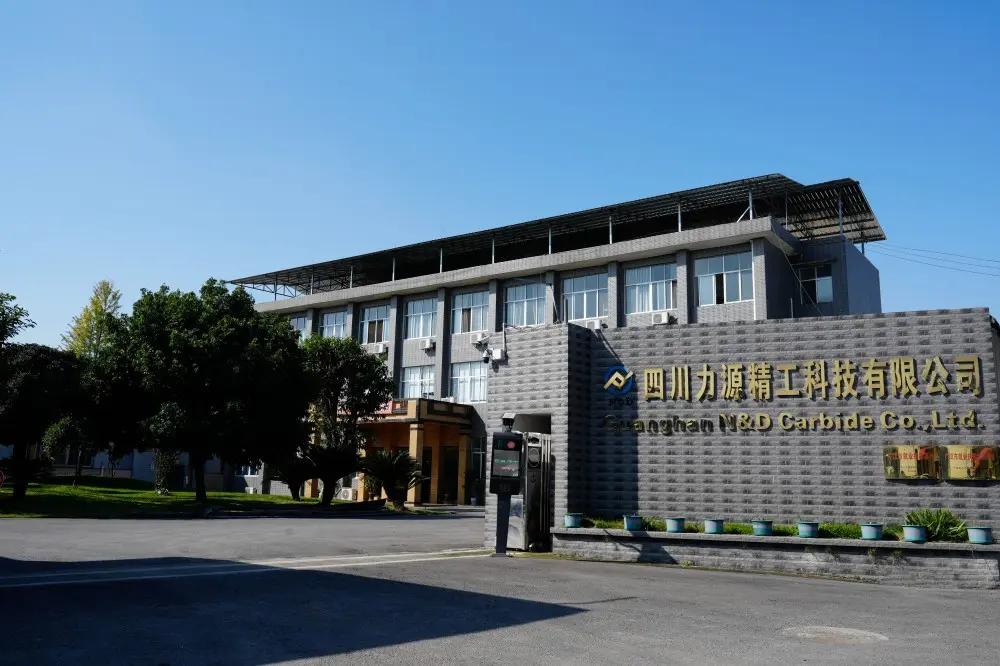
Founded in 2004, our company is a leading manufacturer of tungsten carbide products, specializing in the production of high-quality carbide materials. Headquartered in Guanghan, Sichuan Province, China, we have become an industry leader, serving a wide range of industries including mining, construction, oil and gas, and manufacturing. With 120+ dedicated employees and a presence in 60+ countries, our commitment to excellence is reflected in our 5-axis CNC gear grinding technology and rigorous sintering processes.
Homogenizing tungsten carbide with cobalt and aviation gasoline to create a high-density alloy base.
Filtering agents and adding binders to ensure the powder is ready for the molding stage.
Utilizing state-of-the-art molds to form the initial "green" carbide blank.
Sintering at extreme temperatures to achieve final tool density and eliminate porosity.
The "Gear Opening" phase where advanced geometries like variable flutes are cut into the hardened carbide.
Every tool undergoes tooth profile opening checks and material composition validation.
Understanding the "Search Intent" of modern engineers involves looking at specific use cases across different geographies:
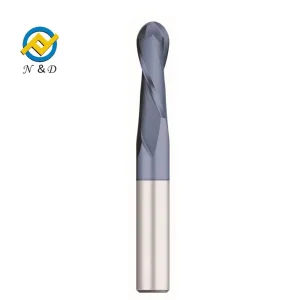
In regions like South China and Northern Italy, the focus is on Ball Nose End Mills for complex 3D surfacing. Our solution involves 4-flute core cutters with unequal indexing to eliminate harmonic vibration (chatter), allowing for mirror-finish results directly from the CNC.
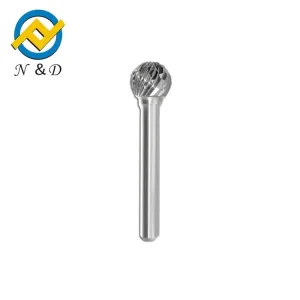
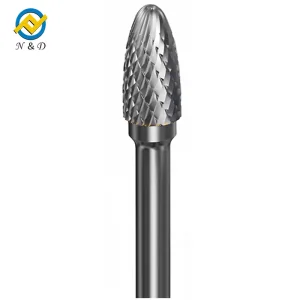
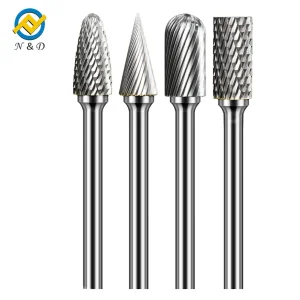
For the Australian and South African mining markets, the intent is durability. We provide Type G Tree Shape Rotary Burrs designed for finishing welds on hardened manganese steel, offering a 3x tool life increase compared to standard HSS tools.
The future of Core Cutter End Mills lies in "Digital Twins" and "Smart Tooling." We are currently researching the integration of RFID chips within the tool shank to track tool life cycles and optimize feeds and speeds in real-time. This Information Gain is what sets our factory apart—we don't just sell tools; we provide the data-driven intelligence to use them effectively.
 N&D Carbide