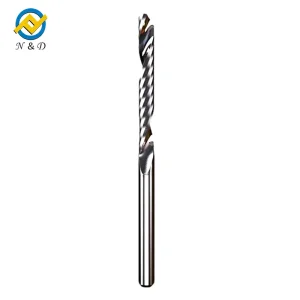
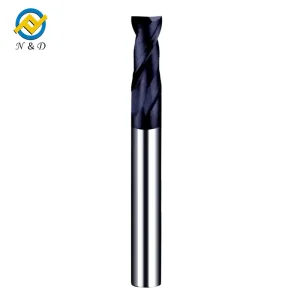
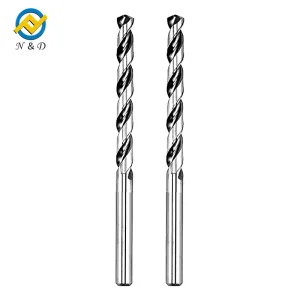
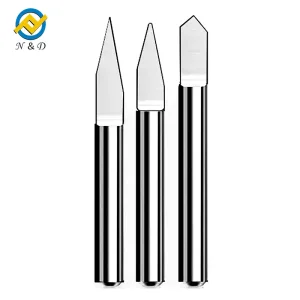
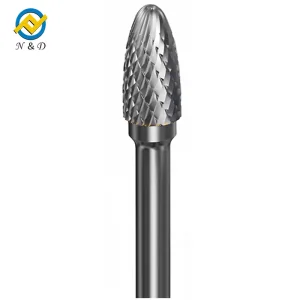
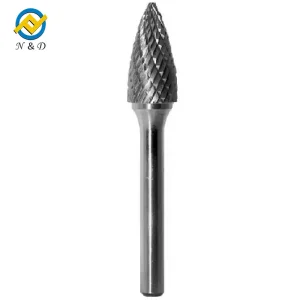
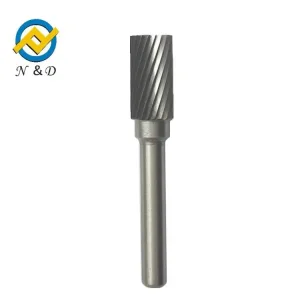
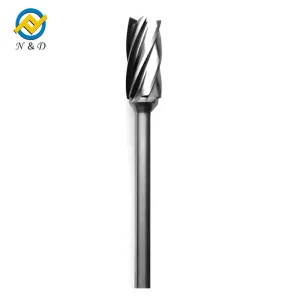
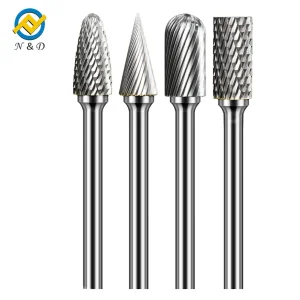
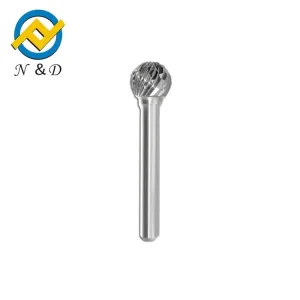
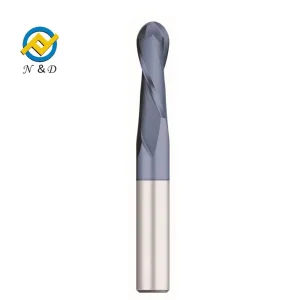
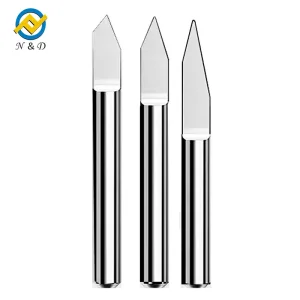
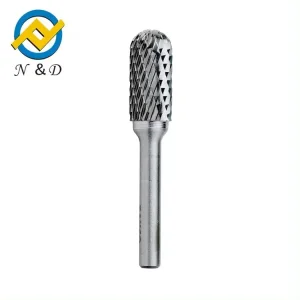
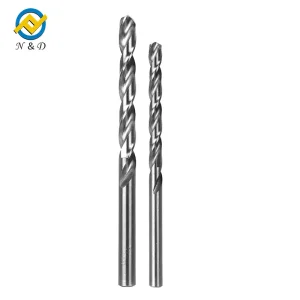
As the global manufacturing landscape transitions towards Industry 4.0, the demand for lightweight, high-strength materials—particularly aluminum alloys—has reached an all-time high. In sectors ranging from aerospace engineering to electric vehicle (EV) production, CNC router milling of aluminum requires tools that can withstand high RPMs while preventing material adhesion and ensuring "mirror-finish" surface quality.
Today’s global industrial climate is characterized by supply chain volatility and the need for localized support. Leading factories are no longer just selling cutting bits; they are providing comprehensive material removal strategies. This involves optimizing flute geometry for specific heat dissipation profiles and applying nano-coatings that reduce friction at the molecular level.
Machining 7075 and 2024 aluminum alloys for structural components requires zero-defect manufacturing and extreme thermal stability.
Mass production of battery housings and motor casings demands high-feed rates and extended tool life to maintain low unit costs.
High-speed CNC routers for architectural aluminum panels require tools that deliver clean edges without secondary finishing.
Our factory, founded in 2004, integrates a closed-loop quality control system that transforms raw Tungsten powder into precision-engineered instruments.

Mixing tungsten carbide with cobalt and rare earth elements in aviation gasoline ensures a homogenous molecular structure, preventing internal fractures.

High-Isostatic Pressing (HIP) sintering removes porosity, increasing the material's density to near-theoretical limits for maximum tool toughness.

We utilize world-class 5-axis CNC grinding centers to achieve micron-level accuracy in flute geometry and cutting edge sharpness.
Operating in over 60 countries requires more than just shipping products. We provide localized technical support to ensure our tools meet regional safety and environmental standards.
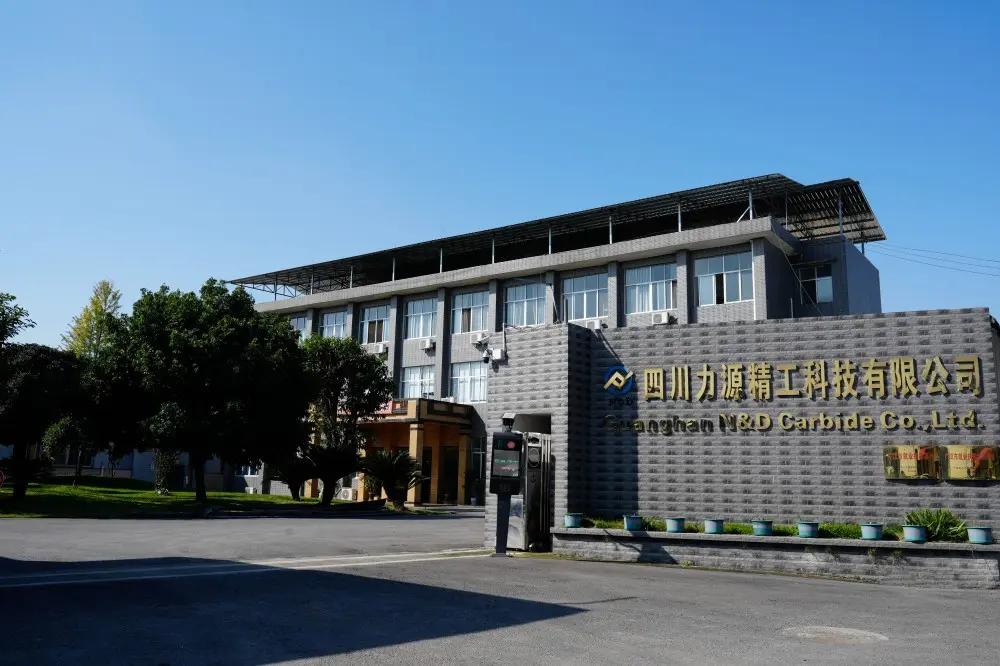
The future of CNC milling aluminum lies in Nano-Structured Tooling and AI-Driven Adaptive Machining. We are currently investing in:
Implementing DLC coatings that provide the hardness of diamond while maintaining a low coefficient of friction, ideal for dry-machining aluminum.
Developing variable helix and pitch designs to eliminate harmonic resonance during high-speed router operations.
Closed-loop recycling of tungsten carbide scrap to reduce environmental impact while maintaining material purity.
 N&D Carbide