Engineered with sub-micron grain structures and proprietary cobalt bonding processes to withstand severe cutting conditions.
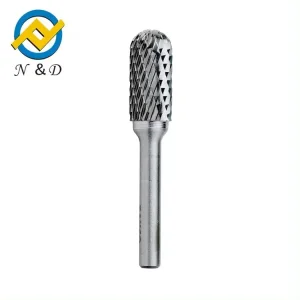
Custom engineered for precision finishing across high-tolerance aerospace, die, and mold applications.
Get Quotes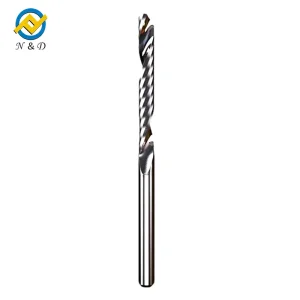
Designed for optimal chip extraction in aluminum, plastics, and non-ferrous substrates.
View Specifications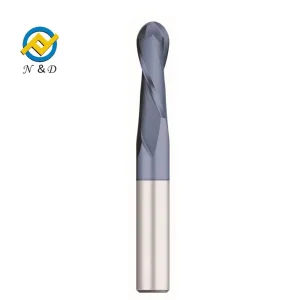
Delivers exceptionally smooth surface finishes during complex 3D profiling operations.
Request Pricelist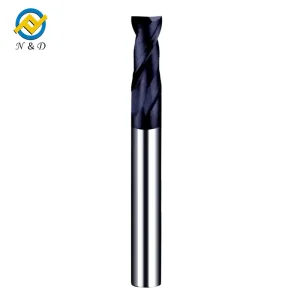
Excels in general purpose slotting, profiling, and plunging with maximum stability.
Get Factory Pricing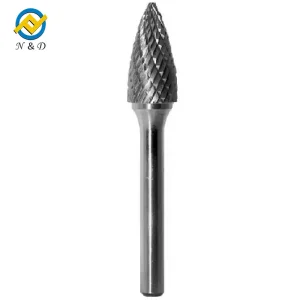
Perfect for removing heavy burs and contouring tight radiuses in cast iron and steel.
View Factory Catalog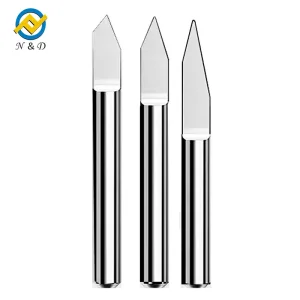
Specially ground tips ensure high-precision detailing on complex electronic moldings.
Request Factory Quotes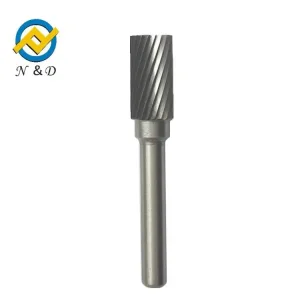
Heavy-duty peripheral milling configuration optimized for flat surface cleaning.
Contact Manufacturer
Feature-rich pointed tree profiles for accessing narrow mechanical crevices.
Inquire Wholesale PricesIn modern global manufacturing, the efficiency of machining centers is inextricably linked to the quality and durability of the rotary cutting tools employed. Tungsten Carbide CNC Router End Mills have transitioned from traditional woodworking components into vital micro-machining and structural aerospace utilities. Across industrial sectors in North America, the European Union, and the Asia-Pacific region, rising demand for high-tolerance components has driven tool manufacturers to innovate aggressively. Today's commercial markets require tools that not only withstand extremely high thermal stresses but also demonstrate exceptional wear resistance and dimensional stability during continuous multi-axis machining operations.
As global supply chains place greater pressure on operating margins, manufacturing facilities focus heavily on minimizing tooling downtime. Advanced solid carbide rotary mills offer critical solutions, achieving up to 5 times the operational lifespan of traditional high-speed steel (HSS) tooling. In automotive chassis milling, aerospace composite trimming, and electronic circuit board separation, solid tungsten carbide remains the material of choice. Through strategic raw material sourcing and implementation of advanced 5-axis CNC grinding systems, manufacturers like N&D Tungsten Carbide ensure consistent grade compositions that mitigate micro-chipping and extend tool life under aggressive feeds and speeds.
Achieving superior micro-grain uniformity requires a meticulously controlled manufacturing sequence. The N&D Tungsten Carbide facility in Sichuan Province utilizes the following specialized phases:


Mix premium tungsten carbide powder with cobalt binder, rare metallic grain inhibitors, aviation gasoline, and dense alloy media balls inside planetary mills to produce a highly uniform slurry.

Dry the processed mixture in atomizing spray towers, adding select paraffin binders. The fluid is evaporated to obtain spherical powders with excellent flowability, ready for high-pressure forming.

Compact the refined tungsten carbide powders inside precision carbide dies or via cold isostatic pressing (CIP) chambers, securing a dense green compact with accurate near-net dimensions.

Sinter the compressed green blanks at temperatures exceeding 1400°C under high-pressure argon gas (up to 100 bar). This process eliminates micro-porosity and ensures theoretical density is achieved.

Utilize state-of-the-art multi-axis CNC grinding systems to profile cutting geometries. This step defines critical flute configurations, relief angles, and specialized helical paths with micron-level tolerances.

Deploy advanced non-contact optical comparators, laser measurement stations, and hardness testers to verify concentricity, surface finish (Ra), and edge sharpness before packaging.
In modern high-speed machining (HSM), tool wear is accelerated by thermal oxidation and mechanical abrasion at the cutting edge. To combat these forces, our R&D department works continuously on optimizing cobalt-binder distributions and carbide grain size. Traditional sub-micron grades with 0.8 μm grain sizes are increasingly replaced by ultra-fine nano-grain tungsten carbide matrices (< 0.4 μm). These finer microstructures yield higher hardness value (HV30) while maintaining robust transverse rupture strength (TRS), allowing the tool edge to remain sharp during aggressive routing.
Another growing trend is the application of advanced coatings. Uncoated solid carbide is highly effective for non-ferrous alloys and soft plastics; however, cutting tough materials like titanium or stainless steel requires multi-layered coatings. Advanced coating variants like Titanium Aluminum Nitride (TiAlN) and Aluminum Titanium Nitride (AlTiN) form a protective aluminum-oxide layer at temperatures exceeding 800°C. This layer insulates the carbide substrate from heat, directing thermal energy into the evacuated chips and away from the tool core.
Selecting the correct carbide substrate involves balancing hardness (wear resistance) against toughness (resistance to impact chipping). For heavy roughing operations on uneven surfaces, tools with 10% to 12% cobalt are preferred due to their high fracture toughness. For high-speed finishing cuts on abrasive materials like carbon fiber composites or MDF, micro-grain configurations with 6% to 8% cobalt maximize edge retention.
Established in 2004, our facility has grown from a specialized local manufacturer into a globally recognized producer of tungsten carbide tooling. Located in Guanghan, Sichuan Province, China, our advanced facility houses precision production equipment and QC analysis chambers. Over 120 dedicated professionals manage our operations, utilizing advanced metallurgy, sintering, and multi-axis grinding techniques.
We supply a wide range of global industries, including mining, heavy construction, oil and gas, and high-precision aerospace engineering. By investing continually in advanced machine tools and automated optical inspection systems, we maintain high standards of batch-to-batch consistency. Our specialized OEM and ODM service divisions help us deliver tailored solutions to customers in more than 60 countries.


Operating conditions for CNC router end mills vary significantly across different industrial sectors. For example, high-speed routing of acrylics and sign-making plastics requires extremely polished flute faces to prevent melted material from adhering to the cutting edges. Our single-flute spiral mills are designed with high helix angles to eject chips rapidly, preventing heat build-up and preserving edge sharpness.
In contrast, heavy-duty metalworking and structural milling demand different tool characteristics. Machining tough materials like stainless steels and nickel alloys requires high mechanical stability. For these applications, our multi-flute solid carbide mills utilize variable helix and unequal indexing geometries. These design features break up harmonic frequencies during cutting, reducing tool deflection and chatter to ensure clean surface finishes.
Proper chip load management is essential to prevent premature tool wear. Running feed rates too low causes friction and rubbing, which dulls the cutting edges. Conversely, excessive chip loads can cause catastrophic tool breakage. The optimal chip load depends on the material being cut and the tool diameter. We provide detailed feed-and-speed charts for all our carbide products to help operators configure their CNC systems for maximum efficiency.

Exploring new initiatives to recycle scrap carbide and reduce our environmental footprint while maintaining high product performance.

Addressing current supply chain challenges and exploring material science opportunities within high-demand industrial markets.
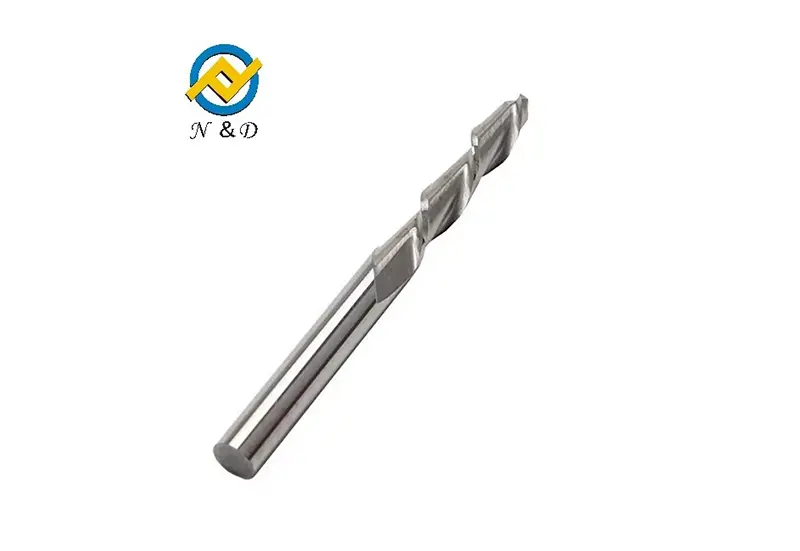
Our latest solid carbide twist drills feature optimized geometries designed to increase drilling speed and hole quality in tough materials.
Expert answers to help engineers, machinists, and purchasing managers optimize their carbide tool selections.
Chip load—the thickness of the material cut by each tool flute per revolution—is a primary factor in tool wear. Setting the chip load too low leads to tool rubbing, friction, and heat build-up, which quickly dulls the cutting edges. Setting it too high increases cutting force, leading to potential tool breakage. Operators should maintain a balanced chip load to ensure chips carry heat away from the workpiece.
Single-flute end mills feature a larger chip valley, making them ideal for materials like aluminum, acrylics, and soft plastics that produce large chips. The open design prevents chip recutting and melting. Multi-flute end mills (2, 3, or 4 flutes) offer greater tool strength and are suited for cutting harder materials like hardwoods, steel, and composites, where fine finishes and high feed rates are needed.
Common signs of wear include increased cutting noise, vibration, rougher surface finishes, and burrs or blowout along the cut edge. Visually inspecting the tool under magnification may reveal micro-chipping or radius wear on the cutting corner. Monitoring spindle load can also help detect tool wear early.
Cobalt acts as the binder matrix holding the hard tungsten carbide grains together. A lower cobalt content (6% to 8%) yields higher hardness and wear resistance, ideal for steady finishing cuts on hard materials. A higher cobalt content (10% to 12%) increases toughness and impact resistance, helping protect the tool during rough cuts on uneven or cast surfaces.
Explore our full selection of industrial-grade carbide tools. Contact our engineering team for custom geometries, shank diameters, and specific coating options.
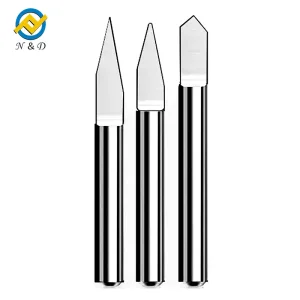
Designed for fine engraving and micro-profiling on multi-axis CNC machines.
Request Custom Quote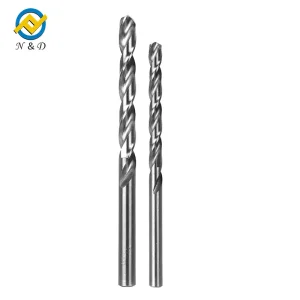
High-precision drilling solution for deep holes in tough metals and composites.
Request Pricelist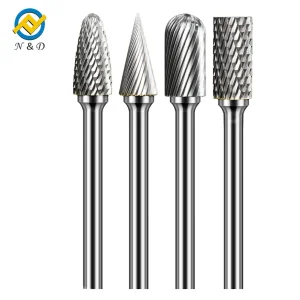
Optimized flute angles ensure fast material removal and minimal vibration.
View Factory Catalog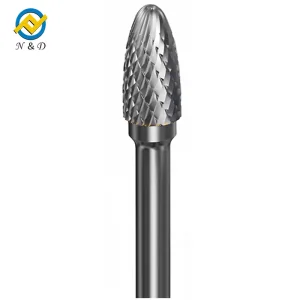
Engineered for contouring and cleaning complex molds and casting radiuses.
Request Custom Dimensions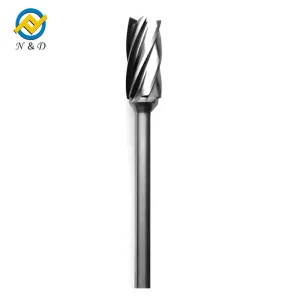
Wide-flute design prevents chip packing when cutting soft, non-ferrous metals.
Get Factory Pricing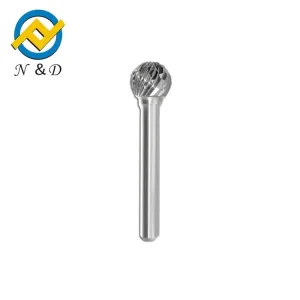
Ideal for pocketing and internal spherical machining in tool steel and cast alloys.
Inquire Wholesale Prices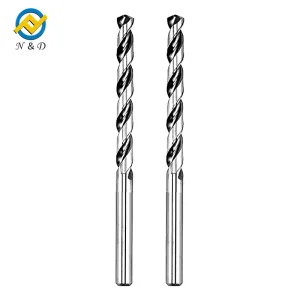
High-speed steel alloyed with cobalt for excellent thermal stability when drilling hardened steels.
Contact Our Engineers N&D Carbide