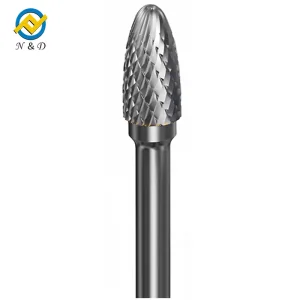
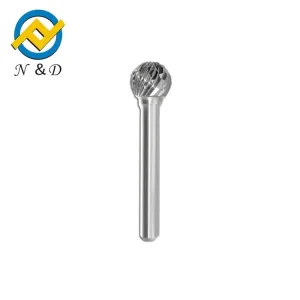
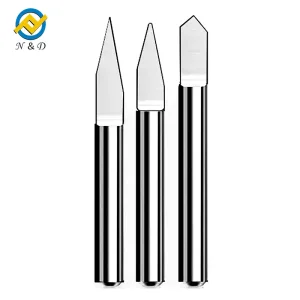
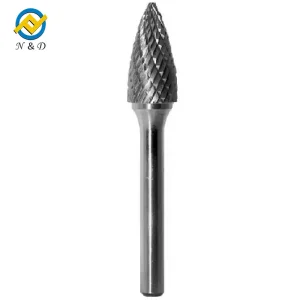
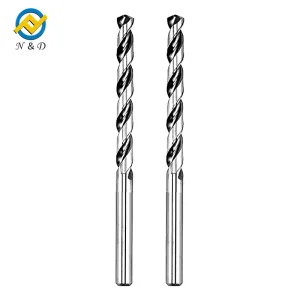
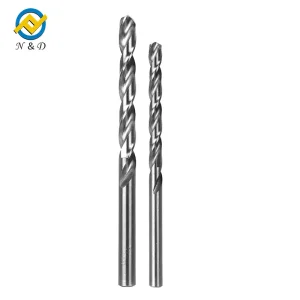
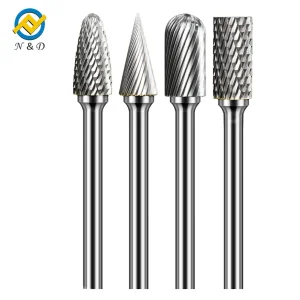
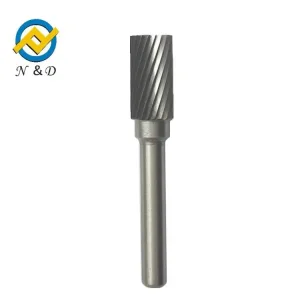
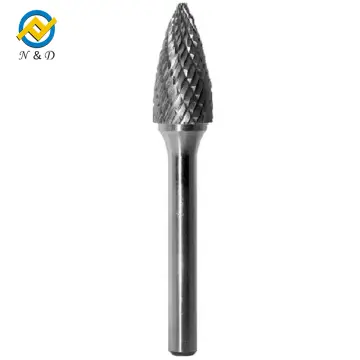
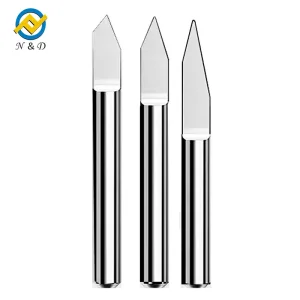
Highly effective in machinery, automobiles, chemicals, and precision wood processing. Ideal for finishing a variety of metal cavity molds and intricate craft carving.
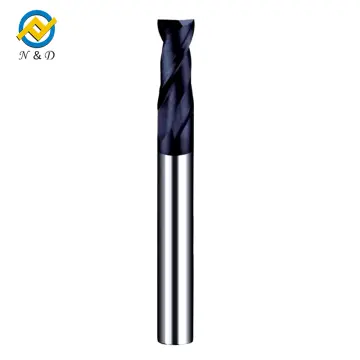
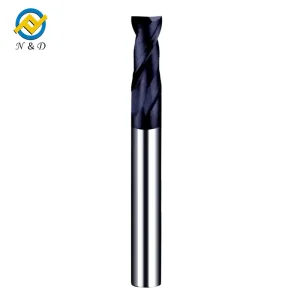
Renowned for extreme wear resistance and hardness. Designed with two deep flute channels that excel in wood chip clearance and high-velocity feed rates.
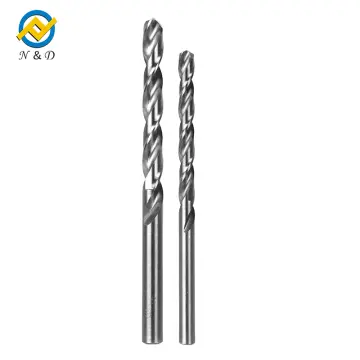
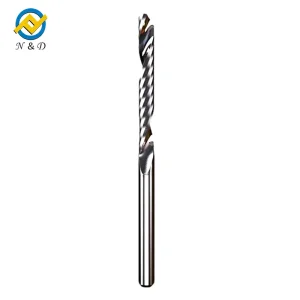
Engineered from premium sub-micrograin carbide rods and precision ground. Extends the service life of tools during high-speed heavy drilling cycles.
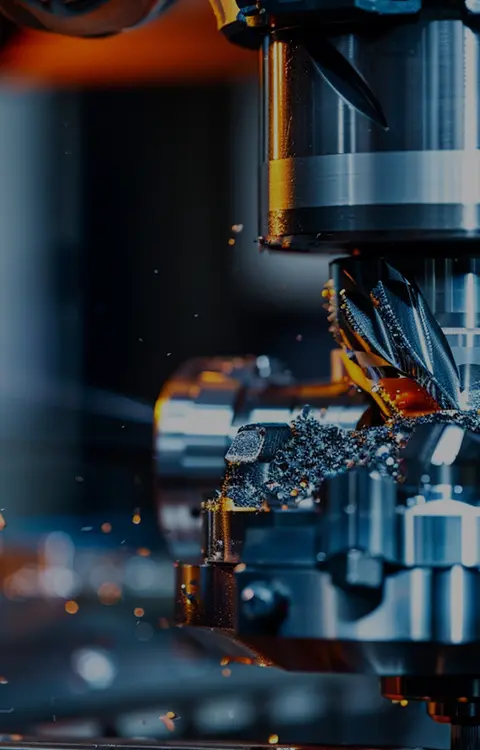
In high-speed CNC routing, the geometry of the tool determines the accuracy of complex 3D profiles. Ball nose end mills designed for wood routing utilize a continuous spherical cutting radius at the tool's tip. This shape generates a scalloped surface finish as the tool interpolates across the X, Y, and Z axes. Unlike flat end mills, which are optimized for planar pocketing, a ball nose cutter distributes mechanical load across its radial cutting edge.
To prevent localized heat buildup (which causes timber discoloration and resin crystallization), tool geometry must incorporate high radial rake angles. The chip evacuation path must be optimized to handle the rapid expansion of wood dust. The shear dynamic of wood cutting is highly anisotropic; the physical properties of wood vary significantly when cutting along, across, or tangential to the natural grain. To prevent wood fibers from tearing, the cutting tip of the ball nose end mill must maintain a sharp edge. Micro-grain cemented carbides provide the material stability required to hold these razor-sharp edges without chipping.
Tool wear is accelerated by the abrasive chemical resins present in modern composite materials such as Medium-Density Fiberboard (MDF), High-Density Fiberboard (HDF), and dense multi-layered plywood. While High-Speed Steel (HSS) loses its cutting edge quickly under these conditions, solid tungsten carbide (WC-Co) tools maintain their geometry. At the microstructural level, cemented tungsten carbide is composed of hard hexagonal WC crystals suspended in a tough cobalt (Co) binder matrix.
Our raw materials feature ultra-fine grain structures (0.6–0.8 μm). This fine particle configuration maximizes both hardness and transverse rupture strength (TRS). This ensures the cutting tip can withstand high feed rates without mechanical failure.
For high-volume manufacturing, standard carbide is often enhanced with technical thin-film coatings. Diamond-Like Carbon (DLC) and Titanium Diboride (TiB2) coatings provide low friction coefficients and high thermal stability. These coatings act as thermal barriers, preventing hot wood ash from bonding to the flute surfaces. They also facilitate smooth chip evacuation, which lowers spindle loads and power draw during extended production runs.
The global demand for high-performance wood processing tooling is driven by several structural trends:
Industrial woodworking facilities in Europe and North America operate under strict efficiency targets. Any unplanned tool replacement directly impacts profit margins. Consequently, tool procurement strategy has shifted from finding the lowest cost per unit to calculating the total cost per machined meter. This dynamic has driven the demand for high-quality, factory-direct suppliers capable of providing consistent tool geometries and reliable shipping schedules.
As a key production region for cemented tungsten carbide, Sichuan Province, China (specifically Guanghan), has developed a highly integrated manufacturing hub. Chinese factories utilize advanced tool production equipment to deliver premium cutting tools at competitive prices. The efficiency advantages of this regional ecosystem include:
This localized manufacturing ecosystem enables rapid prototyping and cost-effective OEM/ODM customization. This allows B2B buyers to source custom-designed cutting geometries without high price premiums.
To maximize tool life and achieve high-quality surface finishes, CNC programmers must match tool configurations to the material being processed:
Calculations for chip load per tooth must be carefully balanced. If the chip load is too low, the tool will rub against the material and overheat, causing wood burning and premature tool dulling. Conversely, excessive chip load will overload the tool tip, leading to edge chipping or breakage. Regular calibration of feed rates and rotational speeds is essential for maintaining efficient production cycles.
Industrial procurement departments should evaluate the following technical specifications when sourcing ball nose end mills:
1. Substrate Grade: Verify the cobalt content (typically 6% to 10% for woodworking tools) and tungsten carbide grain size. A lower cobalt percentage increases hardness, whereas a higher percentage improves toughness.
2. Helix Angle: Woodworking tools typically use a 30-degree helix angle. This provides a balance between lifting force (which assists in chip evacuation) and axial downward force (which reduces surface splintering on the top face of the board).
3. Runout & Balance: Ensure that the runout at the cutting tip is below 0.005 mm. This balance is critical for maintaining consistent tool life and preventing spindle bearing damage during high-speed operation (18,000 to 24,000 RPM).

Tungsten carbide powder, cobalt binder, rare metal additives, aviation gasoline, and high-density alloy balls are ground and blended together to ensure a uniform microstructural distribution.

The liquid mixture is dried under controlled temperature cycles. Ginseng gum binder is introduced, and the volatile aviation gasoline is filtered out to prepare the compound for pressing.

The dried tungsten carbide powder is loaded into precision molds. It undergoes high-tonnage uni-axial or isostatic compaction to form dense carbide blanks.

Blanks are heated to approximately 1400°C under vacuum. The cobalt liquefies, bonding the tungsten carbide crystals into a dense material with high hardness and strength.

Using advanced 5-axis CNC tool grinders, the sintered blanks are precision-ground. This process cuts the flute geometry, relief angles, and ball nose radii to design specifications.

Each tool undergoes comprehensive inspection. This includes measuring the exact tooth profile, concentricity, and raw carbide composition to ensure strict quality standards are met.


Founded in 2004, our company is a leading manufacturer of tungsten carbide products, specializing in the production of high-quality carbide materials. Headquartered in Guanghan, Sichuan Province, China, we have become an industry leader, serving a wide range of industries including mining, construction, oil and gas, and manufacturing.
Our commitment to excellence and innovation allows us to expand our business and meet the needs of our customers around the world. As a company with 120+ dedicated employees, we pride ourselves on providing quality products that meet the diverse needs of our customers. Our team consists of experienced professionals who are well versed in the intricacies of tungsten carbide manufacturing, ensuring our products meet the highest standards of precision and durability.
Through continued investment in research and development, we strive to be at the forefront of technological advancement, allowing us to provide our customers with cutting-edge solutions.

We provide customized carbide tool services to global customers under both OEM and ODM partnerships. We are committed to meeting diverse and personalized production needs, helping you expand your brand presence.
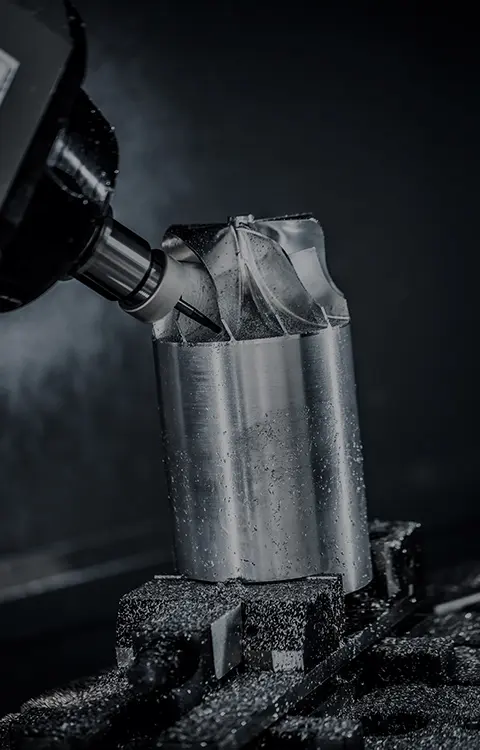
High hardness provides excellent resistance to material wear and thermal expansion. This extends tool life and maintains consistent cutting geometry throughout long production cycles.

Optimize processing efficiency and shorten production cycles while maintaining high precision. Long service life reduces tool change frequency and overall operational costs.
We offer custom engineering solutions designed to achieve optimal machining results. Comprehensive technical support and after-sales service ensure you receive timely, effective assistance.

Exploring new recycling loops and green energy integration in carbide sintering, helping partners achieve their environmental targets.
Read Technical Article
Analyzing market dynamics in tungsten ore refining and their impact on high-durability B2B tool prices and global lead times.
Read Technical Article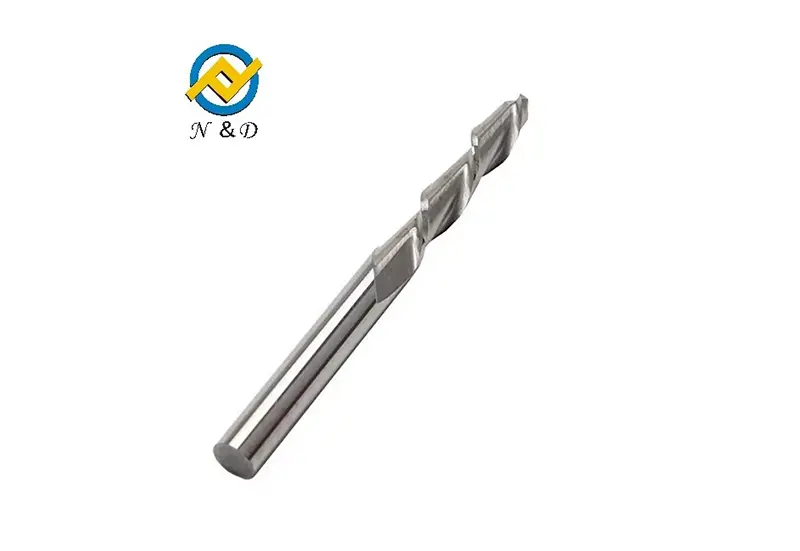
An introduction to our latest twist drill geometry designed to reduce frictional heat and improve accuracy in composite drilling.
Read Technical Article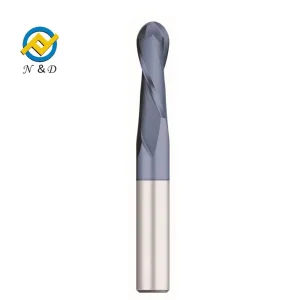
 N&D Carbide