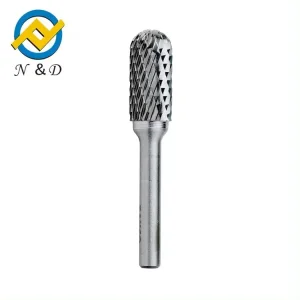
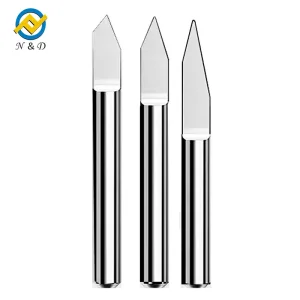
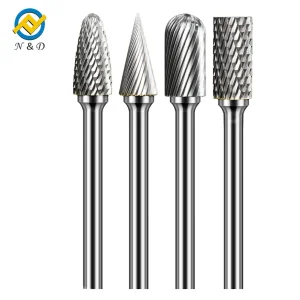
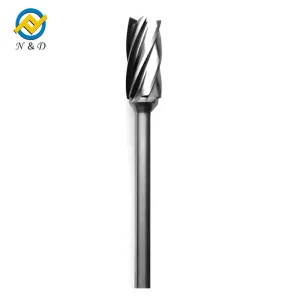
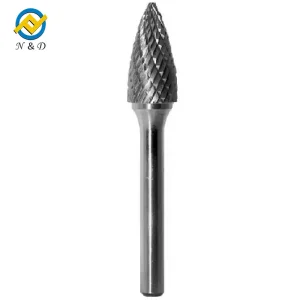
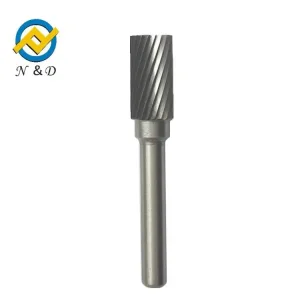
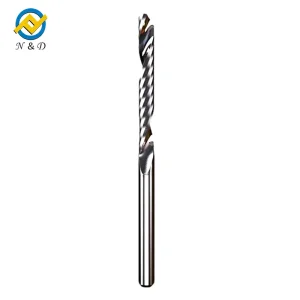
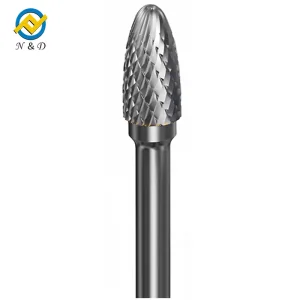
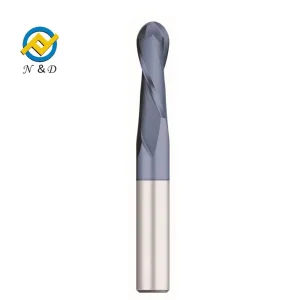
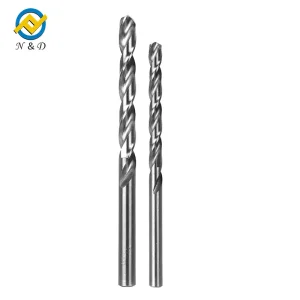
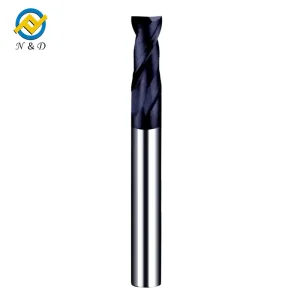
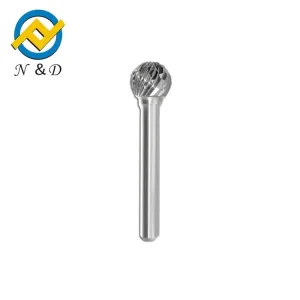
In the high-stakes world of subtractive manufacturing, the ability to machine complex geometries—specifically undercuts—is what separates standard workshops from elite precision engineering firms. An Undercut Milling Tool, often referred to as a "Lollipop Cutter" or a "Slitting Saw" depending on the specific geometry, is engineered to reach areas of a workpiece that are obscured from a direct vertical approach.
As a leading Custom Undercut Milling Tool Manufacturer based in China, we leverage nearly two decades of expertise in Tungsten Carbide synthesis and CNC tool design to provide global industries with high-performance solutions. Whether you are deburring the backside of a hole or machining complex aerospace components, our tools are designed to provide maximum rigidity and extended tool life.
The global shift toward China for high-end tool procurement is no longer just about cost—it’s about the integration of material science and manufacturing speed. Here is why our factory in Guanghan, Sichuan, represents the pinnacle of this industry:
The "Semantic Search" of manufacturing shows a massive spike in keywords like "Micro-milling" and "5-axis simultaneous undercut." The industry is moving toward:
Application of AlTiN and TiSiN coatings to handle high-temperature alloys like Inconel and Titanium, common in aerospace undercutting.
Designing variable helix angles for undercut tools to reduce chatter, especially when the tool has a long reach-to-diameter ratio.
Using CNC undercut milling to finish parts created through 3D metal printing, reaching internal channels that traditional milling cannot.

Precise mixing of tungsten carbide powder with cobalt binder and aviation gasoline to create a homogenous alloy base.

Molding the powder into high-density blanks, ensuring there are no internal voids that could cause tool failure under stress.

Heating the blanks to 1400°C+ to fuse the carbide and cobalt, achieving the final hardness and toughness required for industrial use.

The "Gear Opening" stage where the actual undercut geometry is carved out with sub-micron precision.

Digital inspection of tooth profiles and material composition using laser scanning and ultrasonic testing.

Protective coating and secure packaging for rapid transit to over 60 countries.
Our Undercut Milling Tools are not just products; they are solutions to complex engineering bottlenecks. Here is how different sectors apply our technology:
Used for finishing the internal undercut grooves in cylinder heads and engine blocks where traditional end mills cannot reach.
Creating complex "ball-and-socket" joints for orthopedic implants requires spherical undercut cutters with mirror-finish surface requirements.
Critical for machining "slides" and "lifters" in plastic injection molds, allowing for the creation of plastic parts with snap-fits and complex locks.
When sourcing from a Custom Undercut Milling Tool Manufacturer, global procurement officers should evaluate more than just the unit price. Consider these E-E-A-T factors:
The price is primarily influenced by the diameter of the cutting head, the length of the neck, the Tungsten Carbide grade, and the coating type. Custom geometries typically carry a small setup fee but offer significant ROI through reduced machining time.
For standard sizes, we ship within 48 hours. For custom undercut milling tools, design approval takes 24 hours, and production usually takes 7 to 14 working days depending on the complexity and volume.
Yes. By utilizing our special Nano-Si coating and ultra-fine grain carbide substrate, our high-hardness series can efficiently machine materials up to 65 HRC with stable performance.
Absolutely. As a growth-focused manufacturer, we provide feed and speed recommendations for various materials (Aluminum, Stainless Steel, Titanium) to help you maximize tool life.
 N&D Carbide