Explore our high-performance rotary solutions engineered for unmatched precision cutting, structural integrity, and high-temperature operation across critical industrial applications.
In modern industrial manufacturing, tungsten carbide (WC-Co) remains the undisputed cornerstone for precision cutting, finishing, and shaping tasks. Often referred to as "the teeth of modern industry," cemented carbide is irreplaceable when operations demand high wear resistance, exceptional hot hardness, and optimal torsional stability. Globally, the shift toward highly automated CNC platforms and automated manufacturing environments has placed unprecedented stress on cutting tool parameters. Heavy industry sectors are consistently pushing for faster cutting feeds, less tool changeover, and zero-defect runouts.
Our commitment to sourcing ultra-fine micrograin carbide structures is central to bridging this gap. Under deep structural loads and rapid rotations reaching up to 80,000 RPM, standard tool steels quickly deform, degrade, and fail. Our engineered tungsten carbide rotary solutions preserve structural edge hardness even at working temperatures exceeding 900°C (1652°F). By using cobalt matrices combined with chromium and vanadium carbides as grain growth inhibitors, we deliver maximum reliability to manufacturing hubs globally, enabling continuous operations and reducing cost-per-cut ratios drastically.

An in-depth structural overview of our primary production lines, explaining material properties and cutting geometry for optimized performance.
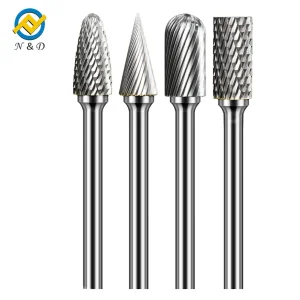
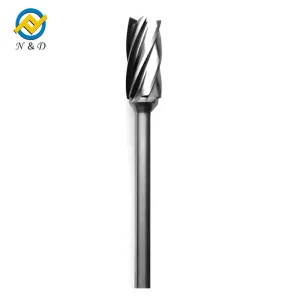
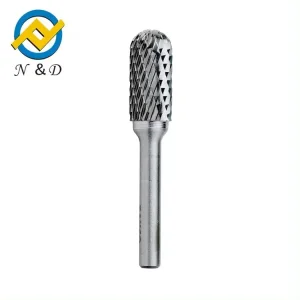
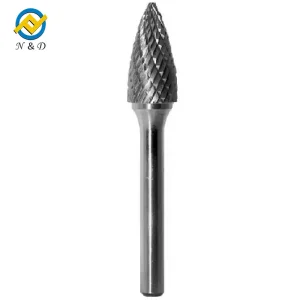
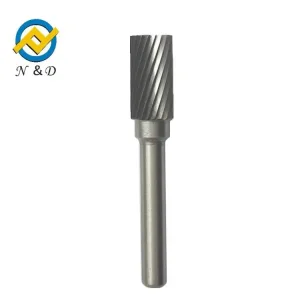
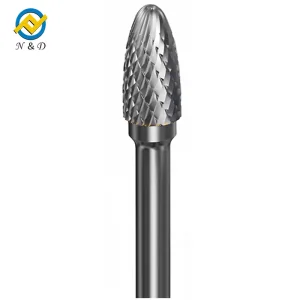
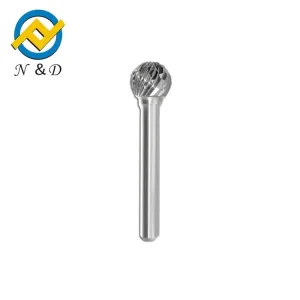
Manufactured from premium structural submicron powders, our Type A, E, F, and G burrs deliver robust performance across difficult deburring applications. Double-cut geometries prevent chip build-up on ferrous alloys, while our specialized aluminum-cut models prevent flute loading on soft materials.
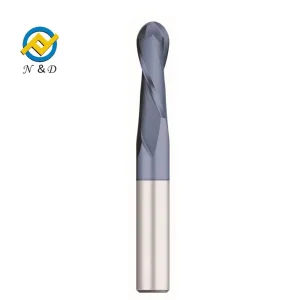
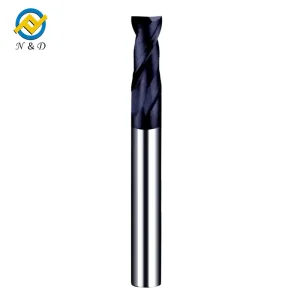
Engineered with precise flute angles and state-of-the-art relief geometry, our 2-flute and ball-nose end mills provide stable surface profiling and high-efficiency slotting. Their increased rigidity minimizes deflection and improves surface finishes on tough materials like stainless steel and titanium.
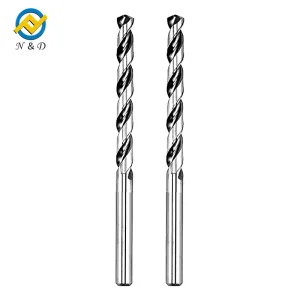
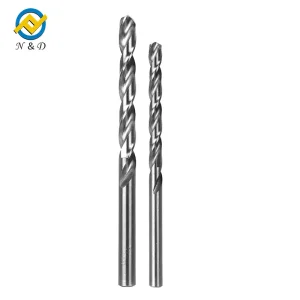
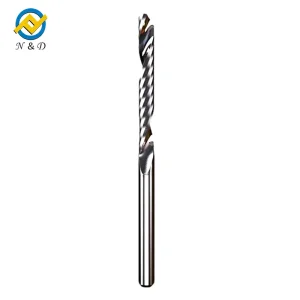
Designed for deep-hole chip evacuation and structural drilling, our twist drills combine extreme wear resistance with optimal core thickness. By reinforcing tool stability, these drills maintain high hole sizing tolerance and excellent straightness throughout long production runs.
| Tool Type | Composition Grades | Recommended Working Speeds | Primary Target Materials | Key Performance Features |
|---|---|---|---|---|
| Type A/F/G Rotary Burrs | WC + 10% Cobalt (Submicron) | 15,000 – 80,000 RPM | Hardened Steel, Cast Iron, Weldments | Rapid material removal, high thermal threshold |
| 2-Flute & Ball Nose End Mills | WC + 12% Cobalt (Ultra-fine) | 3,000 – 12,000 RPM (CNC) | Titanium, Stainless Steel, Brass | High surface finish, stable deep profiling |
| Solid Carbide Twist Drills | WC + 8% Cobalt (High Toughness) | 2,000 – 8,000 RPM | Alloy Steel, Structural Iron, Sheet Metal | High dimensional accuracy, quick chip evacuation |
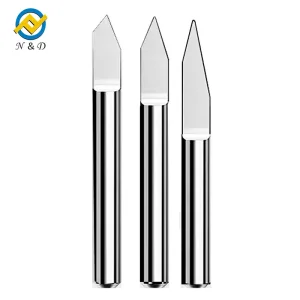
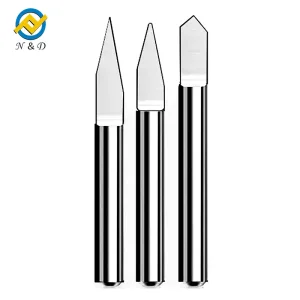
| CNC Engraving Cutters | WC + 6% Cobalt (High Hardness) | 10,000 – 35,000 RPM | Acrylics, Aluminum, Wood, Mold Dies | Sharp pointed tips, precise micro-engraving |
How our heavy-duty carbide solutions perform in demanding manufacturing environments around the world.
Aerospace applications involve machining tough superalloys like Inconel and titanium. Under these conditions, heat generation can degrade standard high-speed steel tools almost instantly. Our ball-nose end mills and specialty rotary burrs are engineered to withstand structural fatigue and heat degradation during long profiling operations. This ensures consistent dimensions and micro-level precision on high-value aerospace parts.
High-volume automotive production requires consistent tool performance to minimize line downtime. Our custom oval and tree-shape rotary burrs deburr cylinder heads, cast iron blocks, and complex transmission components quickly and reliably. By minimizing tool wear and breakdown, automotive tier-1 suppliers can achieve stable cycles and consistent quality across millions of parts.
Shipbuilding involves dressing thick, multi-pass weld joints on heavy steel structures. Our high-performance cylinders and ball-nosed rotary burrs remove large weld seams quickly and efficiently. Engineered for maximum impact resistance, these tools withstand heavy vibration and lateral forces without chipping or losing their edge.
Mold and die makers require exact tooling profiles to polish, adjust, and finish complex cavities. Our micro-grain carbide engraving bits and Type G tree burrs allow operators to work precisely on hardened tool steels (exceeding 60 HRC). They maintain accurate tool paths and deliver excellent surface finishes, reducing manual polishing work.

Based in Guanghan, Sichuan Province, China, our factory benefits from prime access to one of the world's leading tungsten raw material clusters. Southwest China possesses deep mineral reserves and highly developed refining facilities, giving us a reliable, stable supply of premium ammonium paratungstate (APT) and tungsten carbide powders. This proximity shields our production from supply disruptions and price volatility in global markets.
Established in 2004, our manufacturing facility has grown alongside China's smart manufacturing transition. We combine this material advantage with advanced 5-axis CNC grinding systems and strict, ISO-compliant quality controls. By keeping our entire production flow in-house—from powder mixing, wet grinding, pressing, and sintering to final geometric grinding—we provide consistent quality and stable lead times that help global buyers optimize their supply chains.
We trace our production cycle through 6 key phases to demonstrate the metallurgy and inspection standards behind every product we ship.

Tungsten carbide powder, cobalt, rare metal additives, aviation gasoline, and alloy balls are mixed in ball mills to achieve a highly homogeneous structural blend.

The wet-ground slurry is dried to remove the milling fluid, then mixed with organic binders to produce highly flowable, press-ready spherical granules.

Using precision powder presses, the granulated powder is compacted into highly dense green state blanks that closely match final tool geometries.

Green blanks undergo Hot Isostatic Pressing (HIP) sintering at high temperatures to eliminate remaining porosity and achieve final density and hardness.

Sintered blanks are ground on advanced 5-axis CNC grinding machines. They cut precise tooth shapes and flutes with high repeatability and minimal runout.

Every batch undergoes testing, including evaluations of carbide microstructure, cobalt content, tooth profile accuracy, and dimensional tolerances.
Exploring next-generation materials and processes designed to push the boundaries of high-speed machining.
Standard submicron grains (0.5 to 0.8 microns) perform well, but next-generation tools are moving toward nano-structured tungsten grains (under 0.2 microns). These finer structures increase both hardness and toughness simultaneously, breaking traditional limits. This helps prevent micro-chipping along cutting edges, extending tool life significantly in tough aerospace applications.
Advanced coatings like Titanium Aluminum Nitride (TiAlN), Aluminum Chromium Nitride (AlCrN), and Diamond-Like Carbon (DLC) act as critical thermal barriers. By reducing friction and preventing workpieces from sticking to tool flutes, these coatings allow for higher cutting speeds and support dry machining operations by reducing the need for chemical coolants.
Our long-term development roadmap focuses on incorporating real-time digital monitoring and smart feedback systems into our CNC grinding machines. By using optical inspection lasers and automatic compensation systems, we can reduce tool-to-tool variation to under 3 microns, ensuring highly consistent performance for large, automated production runs.
How we ensure reliable quality, secure packaging, and smooth customs clearance for our clients around the world.
Our quality management systems are certified to ISO 9001:2015 standards. Every production batch is fully traceable from the initial raw material input to the final packaged tool, ensuring consistent, verifiable quality for all shipments.
We ensure all materials used in our tools comply with RoHS and REACH regulations, avoiding the use of restricted substances. This makes our products safe for use in highly regulated industries like medical device manufacturing and electronics.
We pack all carbide tools in impact-resistant plastic containers, complete with protective anti-rust coatings. Partnering with major global logistics providers allows us to arrange secure, timely deliveries and handle customs clearance efficiently.
Expert answers to common engineering questions regarding the selection, application, and maintenance of tungsten carbide rotary tools.
Single-cut burrs feature a single right-hand spiral flute. They are designed for rapid material removal on non-ferrous metals, soft plastics, and wood, producing long, continuous chips. Double-cut burrs feature a second set of flutes cut across the main flutes. This design produces smaller chips and provides better control, making them ideal for work on medium-to-hard materials like stainless steel, cast iron, and alloy steels.
Carbide tools are highly wear-resistant but can be brittle under sudden shock or vibration. To prevent chipping, ensure your machine spindle is rigid, keep runout to a minimum, and avoid applying excessive manual pressure. Focus on maintaining a consistent, stable cutting speed rather than forcing the tool. Standard double-cut burrs perform best at higher RPMs with light, steady force.
For standard 1/4" (6mm) shanks, the ideal speed ranges from 15,000 to 30,000 RPM, depending on the tool diameter and the hardness of the material being cut. Using speeds below 15,000 RPM can cause the tool to grab and bounce, which can chip the cutting teeth. Speeds above 30,000 RPM can generate excessive heat, accelerating wear on the cutting edges. Always check manufacturer speed recommendations for your specific setup.
Yes. Sichuan and adjacent regions in southwest China hold a large share of the world's tungsten reserves and processing plants. Operating a manufacturing facility in Guanghan allows us to source raw tungsten carbide powder directly from regional smelters. This helps us secure lower material costs, maintain consistent material purity, and avoid supply chain delays during peak seasons.
Yes. Our customized ODM/OEM service allows us to modify flute helix angles, core diameters, relief profiles, and custom multi-layer coatings (such as AlCrN or DLC) to match your work material's characteristics. This is particularly useful for optimizing tool life and surface finish when machining titanium alloys, Inconel, and reinforced composites.
View our selected high-demand carbide tools, designed to provide long service life and reliable cutting performance under tough working conditions.
In-depth articles from our engineering team exploring developments in green manufacturing and material technology.

Modern heavy industry faces growing demands to integrate eco-friendly practices into their manufacturing strategies. Our production facility has implemented zero-emission water reclamation loops and efficient cobalt dust filtering. These measures help minimize our environmental footprint while maintaining the chemical purity and structural integrity of our finished tools.

The global carbide market must continually adapt to the machining needs of new superalloys and composite materials. This article reviews current industry challenges, including thermal degradation during dry high-speed machining, and presents promising structural solutions like localized micro-geometry optimization and next-generation multi-layer coatings.
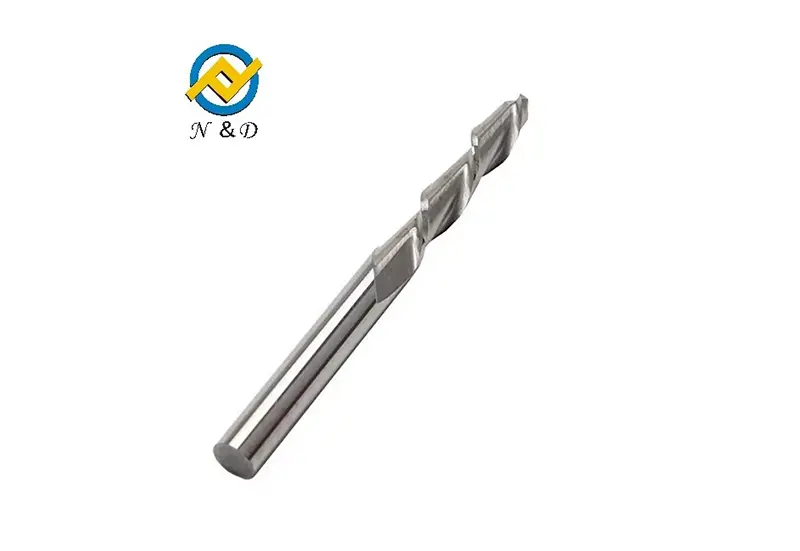
High-speed drilling operations require reliable tools that can maintain precise hole sizing and evacuate chips quickly under load. Our solid carbide and cobalt-alloyed twist drills are designed with optimized web thicknesses and custom flute spacing to prevent chip congestion, reducing breakages in automated production setups.
Need customized tool geometries, specific coating grades, or reliable bulk supply arrangements? Our technical support team in Sichuan, China is ready to help you optimize your production efficiency.
Request a Customized Technical Quote N&D Carbide