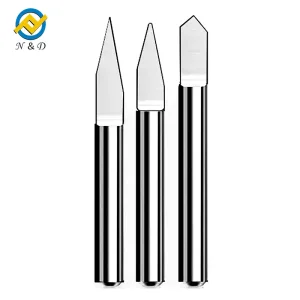
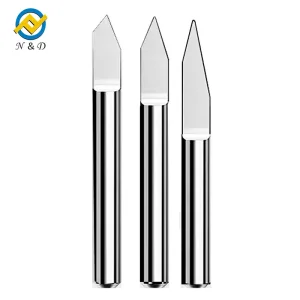
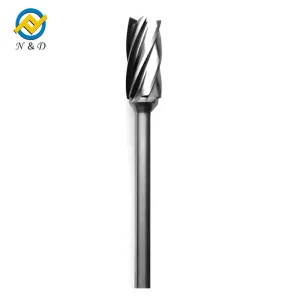
Discover our primary high-durability manufacturing configurations optimized for clean deburring, profiling, and micro-machining operations.
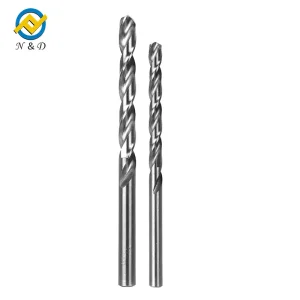
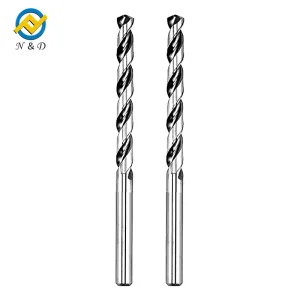
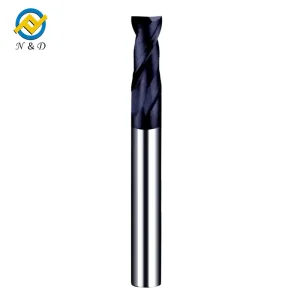
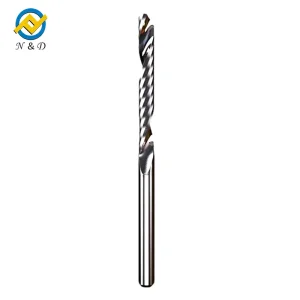
A comprehensive analytical guide for aerospace, automotive, medical, and high-frequency precision manufacturing engineers procurement agencies globally.
In high-speed CNC machining ecosystems, edge preparation is no longer a trivial secondary process. The industrial shift toward burr-free high-precision components in aerospace, electronics, and automotive drivetrains has elevated the humble chamfer mill to a critical component. Modern structural manufacturing demands zero-tolerance safety margin parts, meaning thermal stress, burrs, or microscopic fractures induced during mechanical edge deburring are highly unacceptable.
Solid carbide chamfer mills have evolved from simple single-angle cutters to complex multi-flute, variable helix, high-performance geometries. Utilizing ultra-fine sub-micron tungsten carbide substrates, manufacturers now produce tools that survive the thermal stress of high-frequency dry cutting. Advanced physical vapor deposition (PVD) coatings—such as AlTiN and nACo nanocomposites—have increased tool life by over 300% when cutting hardened steels, titanium alloys, and high-temperature nickel-based superalloys.
Selecting or customizing a solid carbide chamfer mill requires deep knowledge of sub-surface mechanics and structural geometry. A high-efficiency mill relies on four key technological variables:
The foundational reliability of solid carbide tools is determined by the raw powder composition. High-grade custom chamfer mills use tungsten carbide grains measuring less than 0.6 microns. These micro-grains, bound together with premium cobalt phases (typically 10% to 12%), provide a balanced blend of high wear resistance (high hardness) and fracture toughness (preventing edge chipping under interrupted cuts).
Traditional 90-degree chamfer tools often suffer from resonant vibrations (harmonic chatter) during deep radial engagements. Modern customized solutions employ variable indexing or unequal helix arrangements to disrupt harmonic build-up. Additionally, adopting positive rake geometries combined with polished flute pockets ensures excellent chip evacuation, avoiding chip packing which leads to premature tool failure.
Surface coatings act as primary barriers to thermal shock and chemical oxidation. For general-purpose steel deburring, AlTiN provides high hardness at elevated temperatures. When cutting hardened titanium alloys or high-nickel components, advanced nACo coating layers containing silicon provide extreme thermal insulation. This structure allows the tool to run at high cutting velocities while redirecting cutting energy away from the core carbide substrate.
Corporate procurement paradigms have shifted from transactional buying to Strategic Supply Partnerships (SSP). Professional procurement agents evaluate key manufacturing parameters beyond cost-per-unit:
Chinese carbide manufacturing has evolved through automation and digitization. Leading factories utilize automated systems to manage production cycles efficiently. Our manufacturing center in Guanghan, Sichuan, China runs 5-axis ANCA and Walter CNC grinding systems that eliminate human error. Integrating localized raw material supply networks with advanced automation creates key advantages for international buyers:
Aerospace manufacturers need clean, thermal-stress-free chamfering on Inconel engine casings. Standard tools wear out quickly, creating massive exit burrs. Using custom nACo-coated 4-flute chamfer mills at low cutting speeds with high coolant pressure, engineers achieve a consistent 0.5mm x 45° chamfer profile while extending tool life from 20 to 110 parts per tool.
In high-throughput automotive production, cycle time is the primary KPI. Uncoated 2-flute solid carbide chamfer mills featuring highly polished flutes allow cutting speeds of up to 400 m/min. The polished finish prevents aluminum build-up on the cutting edge (BUE), resulting in a burr-free chamfer and stable automated running times.
Micro-medical implants demand extremely precise edge profiles without post-process finishing. Using miniature 90-degree chamfer tools with tip diameters under 0.5mm, medical device engineers can debur intricate geometries in titanium implants under high magnification, keeping yield rates close to 99.8%.
From raw powder blending to advanced final inspection, discover how we build extreme durability and performance into every single solid carbide tool.
Precise mixing of tungsten carbide powder, cobalt binding agents, rare metals, and alloy balls under protective conditions to create a highly homogeneous compound.
Drying the wet-ground slurry inside customized spray towers, removing structural volatile solvents to form pressing-grade granulated carbide powder.
Compacting the granulated carbide powder inside precision multi-axial molds to form highly uniform structural green compact blanks.
Subjecting green blanks to extreme heat (up to 1,450°C) and gas pressure inside a Sinter-HIP furnace to eliminate porosity and achieve final densification.
Using 5-axis ANCA or Walter CNC grinding machines to shape primary relief, secondary angles, variables helices, and cutting edges.
Comprehensive inspection of geometric properties, concentricity, surface roughness, and micro-structures using high-magnification measuring systems.

Founded in 2004, our company is a premier manufacturer of tungsten carbide products, specializing in the production of high-grade carbide materials and performance rotary tooling. Headquartered in Guanghan, Sichuan Province, China, we have developed into an industry leader, serving a wide range of industries including mining, construction, oil & gas, and precision automotive/aerospace manufacturing.
Our commitment to excellence and product innovation allows us to serve clients globally. Supported by a dedicated team of over 120+ skilled professionals, we ensure our tooling delivers the highest levels of geometric precision and durability. Through continuous investment in research and development, we strive to be at the forefront of industrial technology, providing our clients with cutting-edge OEM/ODM options.
As a comprehensive OEM & ODM partner, we focus on providing customized carbide tooling services for global clients. We cover all custom design phases to meet your unique production demands and help grow your brand.
Our premium micro-grain compositions provide high wear resistance and thermal stability. This extends tool life and maintains consistent cutting performance throughout high-volume production runs.
Our technical team provides comprehensive support from tooling selection to after-sales troubleshooting. We work alongside your engineers to optimize milling parameters and cut cycle times.
Global demand for sustainable manufacturing has reached new heights, prompting companies to integrate environmentally friendly technologies into their growth plans. Leading tungsten carbide producers are prioritizing sustainable methods and recycling schemes to reduce their environmental impact as production grows.
Published: 2024-09-29The tungsten carbide industry faces new supply dynamics and technological challenges. Valued for its hardness and wear resistance across aerospace and heavy manufacturing, carbide producers are navigating changing material costs by refining engineering processes and processing methods.
Published: 2024-09-29In high-speed precision drilling, selecting the right tooling determines overall productivity. Our latest solid carbide twist drills leverage refined flute geometries and robust PVD coatings to handle tough materials, representing a significant technological step forward for modern machining shops.
Published: 2024-09-29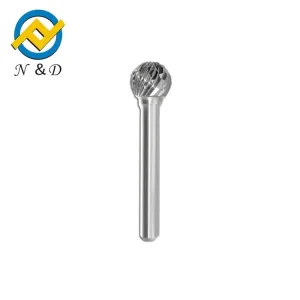
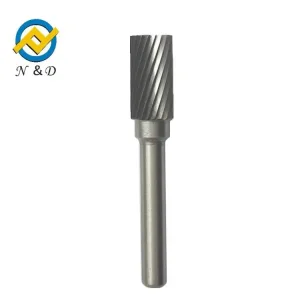
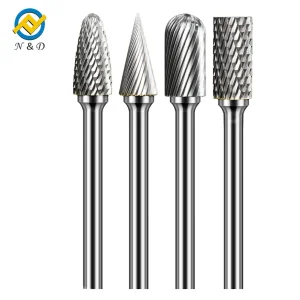
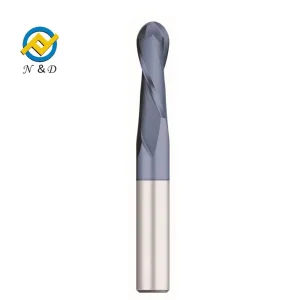
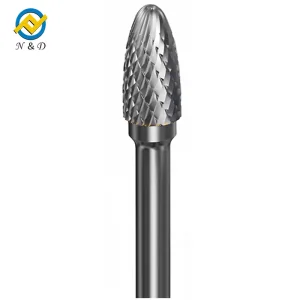
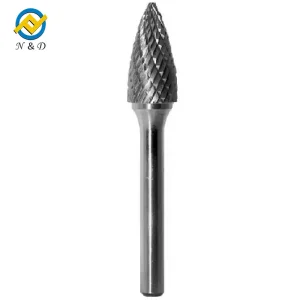
Our high-performance Type F ball-nosed tree shape rotary burrs deliver exceptional results for complex deburring and profile machining in aerospace, automotive, and heavy casting applications.
View Details N&D Carbide