Engineered for high-efficiency machining across aerospace, automotive, medical, and heavy manufacturing sectors.
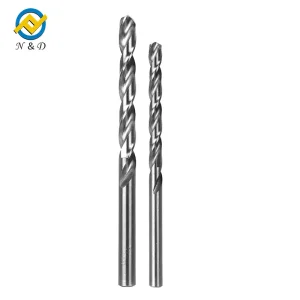
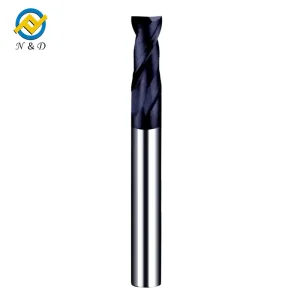
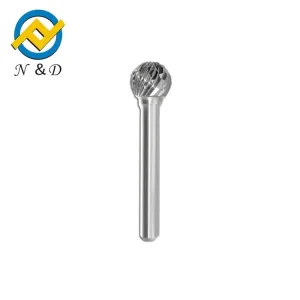
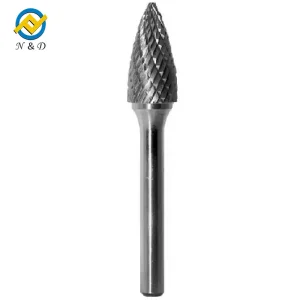
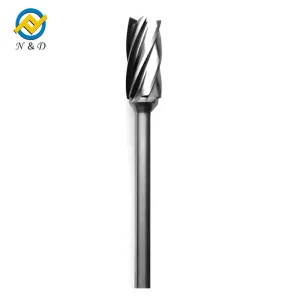
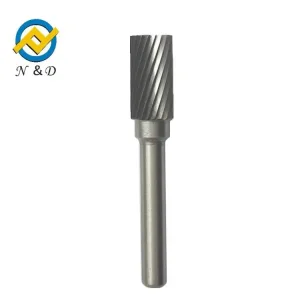
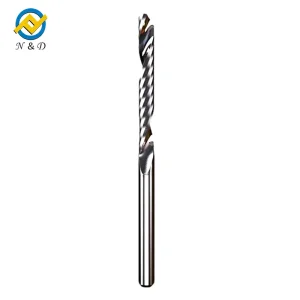
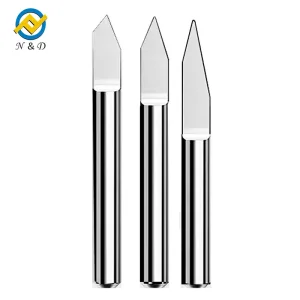
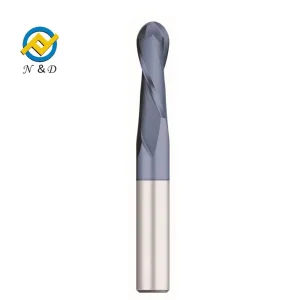
In modern subtractive manufacturing, the efficiency and precision of round milling cutters are direct drivers of enterprise profitability. Round milling cutters, which include ball nose end mills, bull nose cutters, and radius-formed profile tools, are indispensable for generating complex three-dimensional contours, die cavities, and high-tolerance aerospace structures. As global manufacturing transitions toward Industry 4.0, the demands placed on these round cutting tools have increased exponentially. Traditional high-speed steel (HSS) is rapidly being phased out in high-performance applications, replaced by sub-micron grain solid tungsten carbide substrates paired with advanced physical vapor deposition (PVD) coatings.
The global market for custom round milling cutters is shaped by two conflicting demands: the push for lower per-part manufacturing costs and the necessity for extreme process reliability. In automotive powertrain machining, medical implant micro-milling, and die and mold processing, tool failure is not merely a tooling cost issue; it is a system-level bottleneck that impacts multi-million dollar production lines. Custom-engineered geometries—optimized for specific chip loads ($h_{ex}$), helix angles, and differential pitch configurations—allow CNC programmers to run aggressive high-speed machining (HSM) cycles while maintaining predictable tool life. By tailoring the tool radius, relief angles, and cutting edge preparation to the specific metallurgy of the workpiece, custom factories help manufacturers achieve optimized metal removal rates (MRR) without sacrificing surface integrity.
"Customization is no longer a luxury in high-feed milling. It is a fundamental engineering requirement. A minor variation of 3° in the helix angle or a 0.005mm modification of the cutting-edge radius can double tool life in difficult-to-machine superalloys like Inconel 718 or Titanium Ti-6Al-4V."
Standard catalog tools are designed for general applications, representing a compromise between toughness and hardness to cut a broad range of materials from mild steel to soft aluminum. However, when machining hardened tool steels (>50 HRC), nickel-based superalloys, or highly abrasive carbon-fiber-reinforced polymers (CFRP), standard tools fail prematurely. This is due to inadequate thermal management at the tool-workpiece interface and improper chip evacuation.
A custom round milling cutter manufacturer designs the tool with the targeted metallurgy in mind. For example, in hardened mold steel machining, negative rake angles and a stabilized cutting edge protect the round nose of the tool from chipping. In contrast, when machining ductile aluminum alloys, high rake angles, polished flutes, and open gullets are designed to prevent built-up edge (BUE) and ensure rapid chip evacuation. Customized micro-geometries, variable helix configurations, and specialized coating solutions work together to eliminate harmonics and chatter, directly translating to superior surface finish ($R_a$) and tight dimensional tolerances.
A statistical overview of our manufacturing scale and global industrial footprint as a premium tungsten carbide exporter.

Founded in 2004, our company is a leading manufacturer of tungsten carbide products, specializing in the production of high-quality carbide materials. Headquartered in Guanghan, Sichuan Province, China, we have become an industry leader, serving a wide range of industries including mining, construction, oil and gas, and manufacturing. Our commitment to excellence and innovation allows us to expand our business and meet the needs of our customers around the world.
As a company with 120+ dedicated employees, we pride ourselves on providing quality products that meet the diverse needs of our customers. Our team consists of experienced professionals who are well versed in the intricacies of tungsten carbide manufacturing, ensuring our products meet the highest standards of precision and durability. Through continued investment in research and development, we strive to be at the forefront of technological advancement, allowing us to provide our customers with cutting-edge solutions.

A meticulous step-by-step manufacturing cycle ensuring metallurgical integrity and high geometric precision.

Mix tungsten carbide, cobalt, rare metals, aviation gasoline and alloy balls under controlled temperatures to achieve uniform distribution.

Dry the mixture, then add organic binder (ginseng gum) and filter out the aviation gasoline to prepare the powder for shaping.

Mold the tungsten carbide powder using hydraulic or isostatic presses, establishing the initial geometric profile and density.

Sinter the tungsten carbide blank in HIP (Hot Isostatic Pressing) furnaces at temperatures exceeding 1400°C to eliminate porosity.

Adopt advanced 5-axis CNC gear grinding machines to cut the flutes, radius, and relief configurations under liquid oil cooling.

Perform comprehensive inspection on the product, including tooth profile opening, cobalt leaching, and content, to ensure strict quality standards.
Our manufacturing facility is located in Guanghan, Sichuan Province—a region recognized globally for its deep reserve of tungsten minerals and developed metallurgical industry cluster. This geographic location gives our factory a structural advantage that directly benefits our international clients. In China, the integration of mining, raw chemical processing (APT - Ammonium Paratungstate), and carbide powder formulation enables us to source premium materials with minimal supply chain delay. Consequently, this helps insulate our clients from volatile pricing swings in the global tungsten market.
Furthermore, our facility in Sichuan combines this supply chain control with investments in automated processing machinery. We utilize automated 5-axis CNC grinding centers, high-resolution optical inspection equipment, and advanced HIP sintering furnaces. This integration of raw material access and advanced production technology enables us to deliver high-quality custom round milling cutters that match the performance of European-made tooling, while offering significant cost efficiency and faster turnaround times.
Modern machining applications vary widely, meaning a tool designed for one environment may perform poorly in another. For example, in aerospace component manufacturing, machining titanium structural parts requires round milling cutters that can withstand high temperatures and prevent work hardening. To address this, we design custom tools with differential pitch and unequal index geometries. These features break up harmonic vibration, allowing for high metal removal rates on complex parts.
Similarly, in high-precision die and mold processing, finishing hardened steels requires tool radius tolerances to be held within ±0.005mm. Our custom round milling cutters are engineered with optimized core diameters to resist deflection under high lateral cutting pressures. This rigidity prevents dimensional drift and ensures high-quality surface finishes, reducing the need for manual polishing stages and helping our clients shorten their overall cycle times.
Optimizing manufacturing performance through custom tooling solutions, design flexibility, and direct factory support.
Providing comprehensive OEM and ODM carbide tooling services. We customize geometries, flutes, and coating specifications to match your exact production requirements and expand your brand identity.
Our tools are engineered with high hot-hardness, offering excellent wear resistance and thermal stability. This ensures consistent cutting profiles and extended tool life under demanding conditions.
Designed to optimize metal removal rates and shorten production cycles while maintaining close tolerances. Long-lasting performance helps reduce tool changeover frequency and tooling costs.
We offer comprehensive technical support, application consulting, and responsive after-sales service. Our team works with you to troubleshoot issues and optimize your machining operations.
For manufacturing purchasing departments, evaluating tooling based solely on the purchase price of an individual cutter can overlook significant hidden expenses. A tool that is 20% cheaper but runs at a 30% lower feed rate or requires replacement twice as often increases the total cost of ownership (TCO) through longer machining cycles and higher downtime.
Our approach focuses on optimizing total cost per part. By manufacturing cutters that run at higher speeds and feeds, we help clients reduce machining cycle times. Our custom tools are designed to maximize the volume of material removed before replacement is needed. This focus on performance and wear resistance helps clients lower their total cost per component, reduce inventory requirements, and maximize the return on their capital equipment investments.
The cutting tool industry is evolving through three primary trends: integration with intelligent machining systems, advanced PVD coatings, and sustainable manufacturing practices. Modern CNC systems can monitor spindle load and tool wear in real time. We are designing tools that integrate with these systems to enable predictive wear tracking and automated tool management.
Additionally, the development of specialized, thin-film PVD coatings (such as AlTiN and TiAlSiN) has allowed tools to withstand higher heat loads, enabling dry machining in materials like titanium and nickel superalloys. At the same time, sustainability has become an industry priority. We are continually optimizing our processes to recycle tungsten carbide materials and reduce emissions, helping our clients meet their environmental targets while maintaining high tooling performance.
Keep up with the latest advancements in tungsten carbide manufacturing and high-efficiency tooling designs.

Exploring new production methodologies that integrate waste reduction, powder recycling, and green energy sourcing to minimize environmental footprint.
Read Article →
An in-depth look at chemical micro-grain improvements, addressing cobalt binders, and matching the raw toughness needs of the next-generation metals.
Read Article →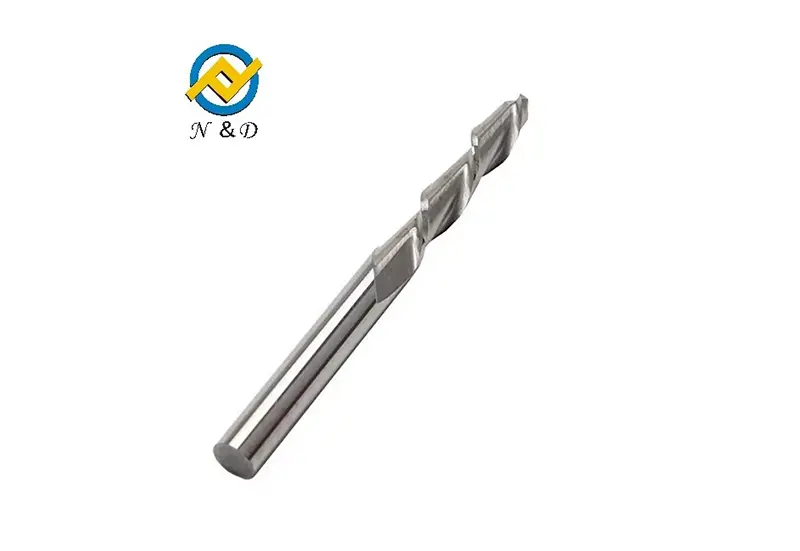
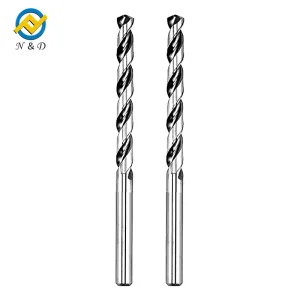
How our solid carbide twist drills utilize specialized coolant hole configurations and polished flutes to double cutting speeds in heavy steel plates.
Read Article →In-depth answers to common technical, design, and procurement questions from engineers and purchasing managers.
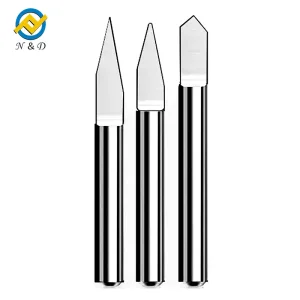
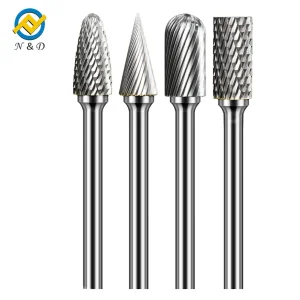
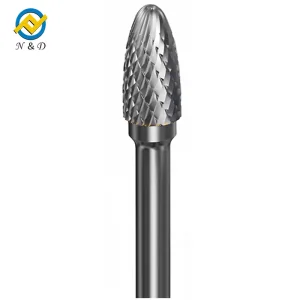
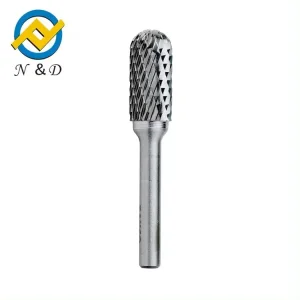
Premium tungsten carbide engraving bits, rotary burrs, and industrial-grade twist drills for modern CNC workshops.
 N&D Carbide