Whitepaper & Custom Quotes

Custom Long Reach Miniature End Mills Manufacturer & Quotes

Precision engineering, ultra-fine micro-grain tungsten carbide substrates, and advanced geometry optimizations for high-aspect-ratio micro-machining globally.

Featured Precision Engineering Portfolio

Premium solid tungsten carbide cutting solutions configured for ultra-high accuracy manufacturing across aerospace, electronics, and medical instrument industries.
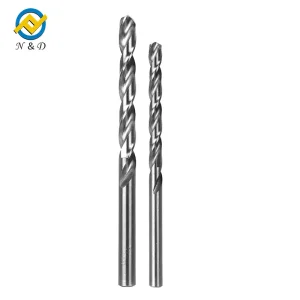
Solid Carbide Twist Drill

Custom The Ultimate Solution for Precision Drilling: Solid Carbide Twist Drill Manufacturers, Factories

Get Free Quotes
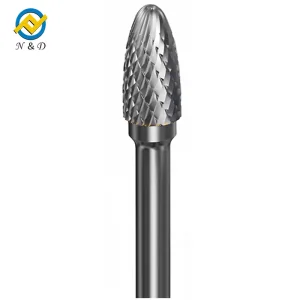
Tungsten Carbide Ball Nosed Tree Shape Rotary Burr

High-Quality The Tungsten Carbide Ball Nosed Tree Shape Rotary Burr Type F Factory, Quotes

Get Free Quotes
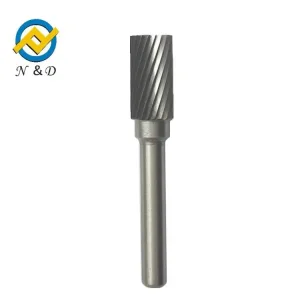
N&D Tungsten Carbide Type A Cylinder Shape Rotary Burrs

High-Quality N&D Tungsten Carbide Type A Cylinder Shape Rotary Burrs Manufacturers, Factory

Get Free Quotes
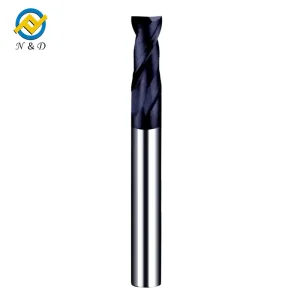
Tungsten Carbide End Mill 2 Flute Milling Cutter

Custom Precision Engineering Tungsten Carbide End Mill 2 Flute Milling Cutter Factory, Pricelist

Get Free Quotes
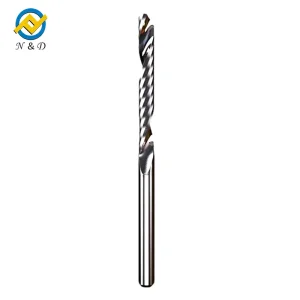
Tungsten Carbide Single Flute Spiral End Mill

High-Quality Introducing N&D Tungsten Carbide Single Flute Spiral End Mill Manufacturers, Factory

Get Free Quotes
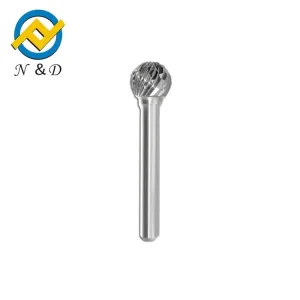
Tungsten Carbide Ball Shape Rotary Burrs

Custom Introducing N&D Tungsten Carbide Ball Shape Rotary Burrs Manufacturer, Pricelist

Get Free Quotes
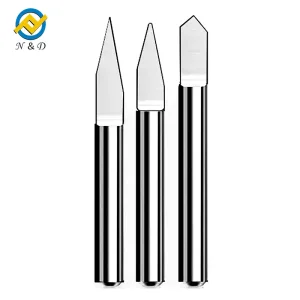
Tungsten Carbide Cutting Tool Engraving Bit for CNC

Custom Tungsten Carbide Cutting Tool Engraving Bit for CNC Manufacturers, Pricelist

Get Free Quotes
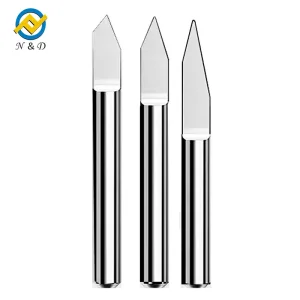
Carbide CNC Cutter Engraving Tools

High-Quality Introducing the Carbide CNC Cutter Engraving Tools Manufacturers, Factory

Get Free Quotes
Industry Benchmark

Solving the Deflection Dilemma in High-Aspect Micro Milling

As modern product designs aggressively miniaturize, component features demand deep, intricate cavities that stretch conventional milling boundaries. Long reach miniature end mills are critical catalysts in unlocking high-aspect ratio features, but they invite unique physical constraints: high deflection susceptibility, chip evacuation blockages, and accelerated tool wear. This technical paper reviews the structural solutions and manufacturing capabilities built by our engineers to support global CNC operators with ultra-stable tooling solutions.

Why Mechanical Rigidity Rules at Micro-Scales

Micro-scale machining operates under completely different physics compared to macro-milling. Tool deflection behaves exponentially: deflection ($y$) is proportional to the cube of the overhang length ($L^3$) and inversely proportional to the fourth power of the core diameter ($d^4$).

Deflection Formula (y) ∝ L³ / (E * d⁴)

By employing custom tapered necks, optimized core-to-diameter profiles, and ultra-high elastic modulus (E) tungsten-cobalt matrices, we deliver customized tooling designed to significantly mitigate runout and deflection-induced catastrophic tool failure.

2004 Established Plant
120+ Dedicated Professionals
5-Axis CNC Gear Grinding
60+ Countries Serviced
Global Market Intelligence

1. Global Commercial & Industrial Status of Miniature Micro-Milling

The global demand for high-performance precision components has placed unprecedented stress on micro-machining vendors. The global micro-machining sector is seeing massive double-digit growth, heavily driven by electronics miniaturization (semiconductor testing interfaces), implantable medical equipment, and aerospace sensor assemblies. Industries that once relied on electrical discharge machining (EDM) are pivoting aggressively towards direct micro-end milling because of its ability to achieve pristine surface finishes without thermal degradation or recast layer contamination.

However, the global micro-tooling supply chain faces severe polarization. Standardized off-the-shelf micro-end mills often fail to address highly specific machining setups where mechanical constraints—such as fixture clearance, machine spindle limits, and peculiar material compositions (titanium alloys, cobalt-chrome, PEEK, and hardened tool steels)—are at play. Consequently, the capacity to fabricate custom long reach miniature end mills based on precise application parameters has emerged as a major differentiator for global manufacturers seeking competitive advantages in precision machining.

2. Development Trends in Micro-Tooling Architecture

Modern micro-tool engineering trends focus heavily on materials science breakthroughs and high-definition physical vapor deposition (PVD) coatings. Our advanced manufacturing facility continuously evaluates and integrates these trends into our structural setups. Key developmental areas include:

  • Nano-Grain Tungsten Substrates: Standard sub-micron substrates lack the critical edge toughness needed at cutting edges measuring under 0.1 mm. Modern custom applications utilize ultra-fine micrograin substrates with a grain size of less than 0.2 microns, offering exceptional hardness alongside the fracture toughness needed to withstand cyclic chip loads.
  • Targeted PVD Barrier Coatings: Advanced multi-layer coatings such as Titanium Silicon Nitride (TiSiN) and Aluminum Titanium Nitride (AlTiN) maintain high chemical and thermal stability up to 1,100°C. This allows operators to run high-speed dry machining cycles, significantly reducing thermal cycling stress. For non-ferrous and composite applications, hydrogen-free Diamond-Like Carbon (DLC) coatings provide a virtually frictionless path for chip evacuation.
  • Variable Geometry Layouts: Utilizing variable helix angles and asymmetric fluting effectively breaks structural harmonic frequencies, mitigating the impact of regenerative chatter. This chatter is a frequent cause of premature tool wear and chipping in deep-cavity applications.

3. Specifying Custom Micro-End Mills: Technical Reference Matrix

When requesting quotes for custom long reach miniature end mills, engineers must carefully evaluate structural dimensions. The following reference matrix outlines recommended design choices based on aspect ratios (the ratio of neck reach length to tool diameter):

Aspect Ratio Class Neck Design Profile Optimal Core Thickness Recommended Coating Typical Materials Processed
Low Aspect (≤ 4x D) Straight Cylindrical Neck Standard Core (55-60%) AlTiN / TiSiN Carbon Steels, Hardened Mold Steels
Medium Aspect (5x - 8x D) Tapered Neck (1.5° - 3°) Reinforced Core (62-65%) Silicon-Based TiSiN Stainless Steels, Titanium Alloys
High Aspect (9x - 15x D) Custom Composite Taper (3°+) Maximized Rigid Core (68%) CrN / Diamond-Like Carbon Copper Alloys, Aluminum, Engineered Plastics
Extreme Aspect (> 15x D) Multi-Stage Custom Stepped Neck Tailored Elastic Core (70%) Ultra-Thin Nano-Layer TiSiN Semiconductor Ceramic Fixtures, Micro-Molds

4. Localized High-Value Application Scenarios

We work closely with localized precision engineering hubs to solve high-stakes manufacturing challenges:

  • Micro-Medical Devices & Implants: Machining orthopedic bone plates, cardiovascular stent structures, and dental implants demands biocompatible materials like Titanium (Grade 5) and Cobalt-Chrome. Our custom micro-tools maintain sharp cutting edges while minimizing structural deflection inside thin walls, ensuring compliance with strict medical tolerance guidelines.
  • Optical & Electro-Mechanical Molds: Precision lenses and multi-cavity plastic injection molds require exceptionally smooth surfaces (Ra < 0.1 microns). Our custom-tailored long reach ball nose miniature cutters are optimized to reach deep core recesses while eliminating surface scallops and hand-polishing requirements.
  • Semiconductor Probe Cards: Probe cards and silicon socket fixtures feature highly complex patterns of tiny holes and micro-channels. Using custom miniature end mills with specific relief angles and precise neck lengths prevents edge burrs and structural micro-cracking in abrasive ceramic and composite substrates.
Production Engineering excellence

Our Advanced 6-Step Manufacturing Process

From metallurgical blending to 5-axis CNC grinding and optical quality validation, we ensure consistency in every production run.

1

Wet Grinding & Blending

Tungsten carbide powder is mixed with cobalt binder, rare metal additives, and specialized alloy balls in a controlled wet environment to ensure complete homogenization of the material matrix.

2

Drying & Solvent Recovery

The slurry mixture is dried, ginseng gum binder is added, and the aviation-grade solvents are filtered out to create a granular, press-ready powder mixture.

3

High-Pressure Pressing

The prepared carbide powder is placed in custom metal dies and compacted under high pressure to form green-state rod blanks with highly uniform density.

4

Vacuum Sintering

The compressed green blanks are heated to extreme temperatures in specialized vacuum furnaces, causing the cobalt binder to melt and fuse the carbide grains into solid rods.

5

5-Axis CNC Grinding

Using premium 5-axis CNC gear grinding machines, we precisely shape the flute geometry, neck taper, and relief angles, maintaining tolerances within micron ranges.

6

Metrology & Quality Control

Every batch undergoes rigorous quality checks using automated Zoller inspection systems. We verify tooth profile accuracy, runout, and carbide purity to ensure optimal performance.

Tailored Solutions

Comprehensive OEM & ODM Customization

As a dedicated OEM & ODM services partner, we specialize in building highly customized solutions that match your specific manufacturing challenges. We understand that standard geometries often fall short when dealing with tight tolerances, deep pockets, or exotic, difficult-to-machine materials.

Whether you need customized neck relief angles to clear complex fixtures, proprietary edge preps to prevent chipping in superalloys, or specialized multi-layer coatings for hard milling, our engineering team works with you from design to final validation. Partnering with us helps you optimize machining performance, increase tool life, and gain a competitive edge in your market.

Custom Shank Configurations
Optimized Corner Radii
Material-Specific Geometries

Request a Technical Custom Quote

Ready to optimize your micro-machining process? Share your project specifications with our engineering team. We provide detailed quotes and tool design recommendations tailored to your goals.

  • Fast design reviews
  • Direct consultation with design engineers
  • Flexible batch sizes
Contact Engineering Support
Technical Support Desk

Frequently Asked Questions (FAQ)

Get quick answers to common questions about selecting, configuring, and operating custom long reach miniature end mills.

How do custom long-reach micro end mills manage heat accumulation in deep-cavity setups?
Deep cavities naturally restrict direct coolant access, which can lead to rapid heat buildup and premature tool failure. To manage this, we optimize the tool's helix angles to encourage smooth chip evacuation, and we recommend high-performance PVD coatings like TiSiN. For non-ferrous materials, using mist or through-spindle air purge systems is highly effective for clearing chips from the cutting zone.
What neck profile should I choose to reduce the risk of structural tool breakage?
For reach ratios greater than 5 times the cutter diameter (5x D), we strongly suggest a tapered neck design. Adding even a small taper of 1° to 3° significantly increases the cross-sectional stiffness at the base of the shank, which dramatically reduces deflection and improves overall tool life.
What is the typical lead time for custom micro end mill geometries?
Typical custom production cycles range from 2 to 4 weeks depending on geometry complexity, material batch processing, and specified coating requirements. Our standard lead times are often shorter due to our in-house, fully integrated blank production and sintering facilities.
Why is spindle runout critical when using micro-diameter tooling?
Because micro-end mills have very small diameters, even a tiny amount of spindle runout (like 3-5 microns) can mean that one flute takes on most of the chip load. This uneven distribution leads to rapid, unbalanced wear or sudden breakage. We highly recommend keeping spindle runout at the collet nose under 2 microns for tools under 1.0 mm.

Complete High-Performance Product Series

Explore our complete selection of micro-machining products. Each tool is built under strict process control protocols in our 120-employee modern facility.
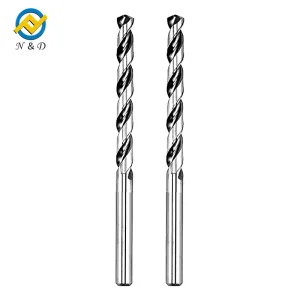
Cobalt Twist Drill

Custom Introducing the Cobalt Twist Drill: Precision Engineering, Superior Performance Manufacturers, Quotes

Get Free Quotes
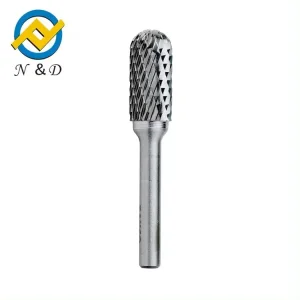
Tungsten carbide ball nosed cylindrical burr

Custom Used in various precision engineering: Tungsten carbide ball nosed cylindrical burr Factories, Pricelist

Get Free Quotes
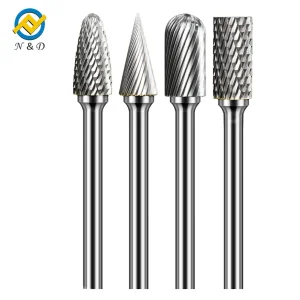
Tungsten Carbide Rotary Burrs for Precision Cutting

High-Quality High Quality Tungsten Carbide Rotary Burrs for Precision Cutting and Machining Manufacturer, Pricelist

Get Free Quotes
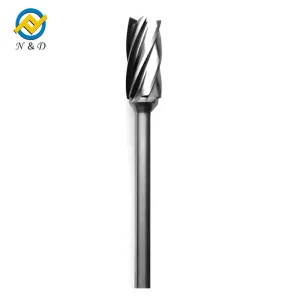
Tungsten Carbide Aluminum Rotary Burr

High-Quality Tungsten Carbide Aluminum Rotary Burr at the Best Prices

Get Free Quotes
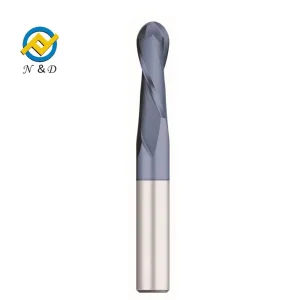
Tungsten Carbide Ball Nose End Mill

High-Quality Tungsten Carbide Ball Nose End Mill High Precious Manufacturers, Pricelist

Get Free Quotes
Tungsten Carbide Oval Shape Rotary Burrs

Custom Tungsten Carbide Oval Shape Rotary Burrs Customized Size Manufacturers, Factory

Get Free Quotes
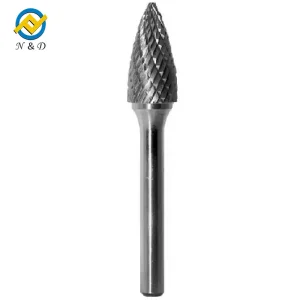
Type G Tungsten Carbide Tree Shape Rotary Burr

High-Quality Type G Tungsten Carbide Tree Shape Rotary Burr Factory Outlet Manufacturer, Quotes

Get Free Quotes
Solid Carbide Twist Drill

Custom The Ultimate Solution for Precision Drilling: Solid Carbide Twist Drill Manufacturers, Factories

Get Free Quotes