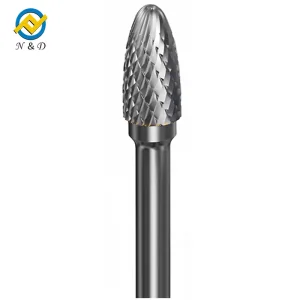
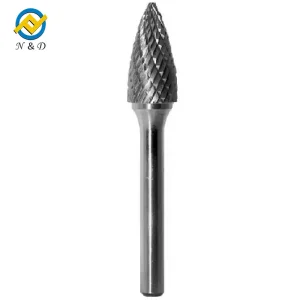
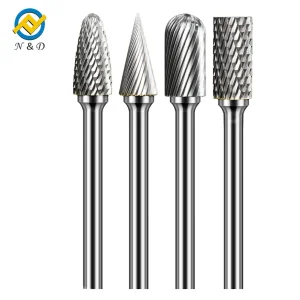
In modern precision machining and high-end industrial mold fabrication, tool geometry defines performance limits. The Inverted Cone Head Burr (classically designated by DIN 8033 as Type N) occupies a highly specialized position in the tool kit of professional metalworkers, machinists, and aerospace technicians.
Unlike standard cylindrical, ball, or tree-shaped burrs that remove material from flat surfaces or shallow curves, the Type N inverted cone is purposefully engineered with a negative taper angle (typically ranging between 10° and 15°). This specific architectural configuration allows operators to perform critical undercutting, create tight dovetail grooves, and safely deburr back-edges and internal pocket corners without causing collateral damage to adjacent parallel surfaces.
We formulate our carbide substrates from ultra-fine-grained Tungsten Carbide (WC) consolidated with premium Cobalt binders (typically 6% to 10% optimized for hardness vs. toughness balance).
HRA 91.5 to HRA 92.8. Excellent resistance against wear at temperatures scaling up to 900°C.
≥ 3200 N/mm² for high mechanical impact absorption under variable feed pressure.
Perfect CNC-ground margins offering a cleaner shear stroke, reducing overall operator fatigue.
Situated in Guanghan, Sichuan Province—a region deeply anchored in industrial equipment manufacturing and direct access to high-purity tungsten mineral reserves—our factory coordinates top-tier raw material procurement with highly engineered CNC fabrication.
We source premium micro-grain tungsten carbide powder direct from Sichuan's finest metallurgical suppliers. By managing our metallurgical blend from the powder stage, we ensure trace element purity is tightly controlled.
Operating inside China's industrial manufacturing core permits lower operational overheads, structured transport links, and a highly skilled technical labor force, rendering unmatched wholesale prices for bulk buyers.
With over two decades of technical heritage (established in 2004), our workshop blends senior metallurgists, CNC software developers, and rigorous QC technicians devoted exclusively to custom tool development.
Procurement managers across Europe, North America, and Southeast Asia face continuous challenges regarding batch consistency and lead times. Our export network coordinates directly with commercial freight hubs to deliver seamless logistics.
Whether you are an industrial tool distributor aiming to build a high-performance private-label rotary burr catalog or an automotive engine block manufacturer requiring monthly volume agreements, our facility supplies custom packaging, laser etching, and custom shank sizing.
"Transitioning to a direct-from-factory structure with us has helped international distributors reduce their tool procurement costs by 28% while boosting tool service life by 18%."
We construct our Inverted Cone Head Burrs according to strict DIN 8033-8 and ISO 7755 specifications. This simplifies integration into existing high-speed electric or pneumatic drive spindles, ensuring compatibility with globally established industrial setups.
Rotating carbide tools are susceptible to shattering if high centrifugal forces meet internal void defects. We utilize ultrasonic integrity testing on all tungsten carbide blanks to secure flawless solid state structures, complying with standard safety guidelines.
Our exports are fully compliant with RoHS and REACH standards. All shipments are accompanied by detailed custom documentation, certificates of origin, and comprehensive material grade breakdowns to facilitate swift import processing.
Inverted cone burrs are highly specialized tools. Below are the core operational scenarios where Type N burrs are indispensable.
Creating reverse angles or micro-undercuts in industrial molds is impossible using cylindrical or oval burrs. The negative taper of the Type N burr allows operators to reach under lip lines and carve precise reverse bevels.
Our double-cut flute pattern prevents tool loading when working inside enclosed slots on aluminum, brass, or carbon steel templates.
Often, when holes are drilled through thick metal sheets or engine housings, the back side of the hole develops critical burrs. The inverted cone head can be slipped through the aperture and pulled back gently to deburr the backside smoothly.
This eliminates the need to invert heavy blocks or dismount complex castings during manufacturing stages, substantially cutting down labor hours.
Working with aircraft bulkheads and titanium wing spars requires micro-precision without introducing structural micro-fractures. Our custom-ground, high-density carbide teeth shave metal smoothly at high speed.
We maintain strict concentricity limits to prevent localized impact shock to aircraft-grade metals during touchups.
In automotive molding, particularly in engine blocks and transmission housings, molten metal leaves tiny lines of excess flash in narrow draft channels.
An inverted cone burr easily contours along narrow internal drafting paths, removing flash without eating into the mold's structural wall.
Every tool leaving our Guanghan factory undercuts, shears, and finishes flawlessly due to our highly structured 6-stage physical and thermal production sequence.

Blending tungsten powder, cobalt binders, and organic solvents for uniform grain structure.

Removing aviation solvents and processing agents under inert protective gas.

Cold pressing the homogeneous powder mix into precision green blanks.

Hot Isostatic Pressing at 1,400°C under high vacuum for extreme material density.

Executing precise multi-axis grinding using advanced Walter machines.

Inspecting concentricity, dimensional values, and surface micro-finish quality.
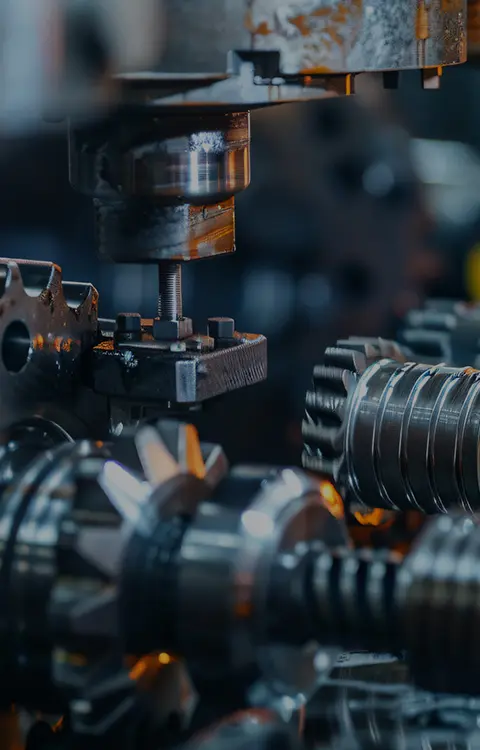
Providing fully customized tools to global partners. We deliver design engineering, rapid prototyping, and private labeling.
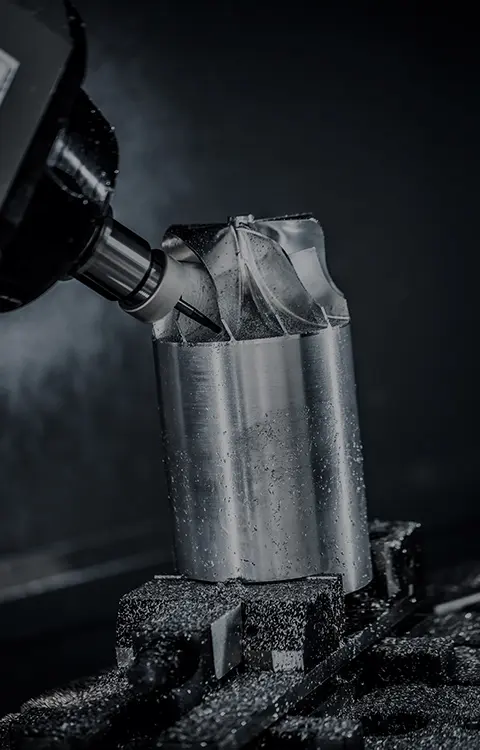
Superior material hardness and stability. Our products keep cutting edges sharp longer, saving tooling costs.
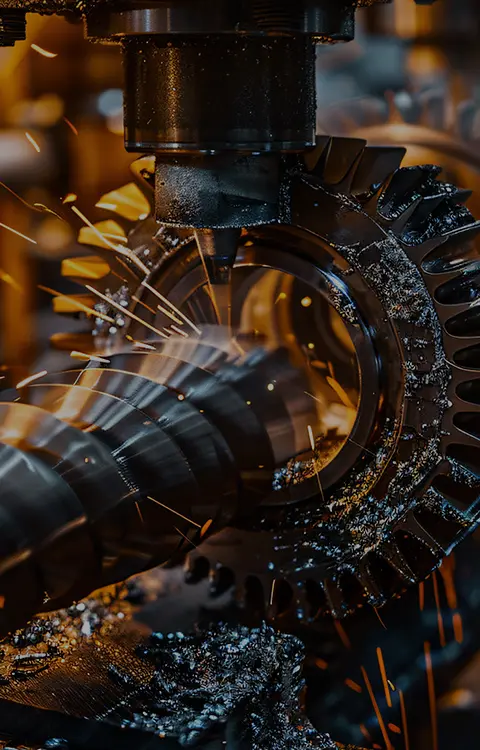
Accelerates material removal rates and shortens production cycles while retaining structural tolerance controls.
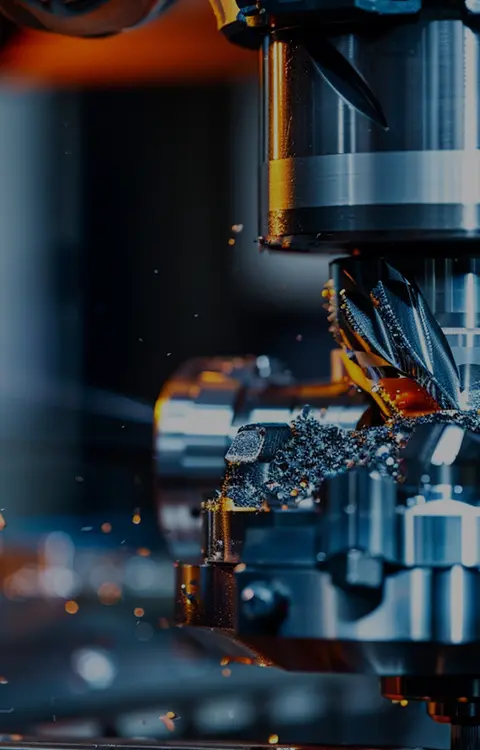
Dedicated logistics support and engineering advisory, helping you pick the optimal tool setup for any job.
The high-speed rotating tool sector is experiencing significant evolution due to robotic arm integration, new aerospace titanium alloys, and high-velocity electric motors.
Traditional hand-held air grinders are rapidly being integrated into automated CNC deburring setups. Automated robotic arms require consistent, highly balanced burrs to prevent force sensors from detecting erratic vibrations. This drives concentricity requirements from ≤0.05 mm down to ≤0.01 mm.
Additionally, hard nano-coatings like Titanium Aluminum Nitride (TiAlN) and Diamond-Like Carbon (DLC) are being used on rotary burrs to facilitate dry cutting, reducing chemical coolant usage and supporting sustainable manufacturing.
As an forward-looking Chinese manufacturer, we continuously invest in high-end grinding systems and physical vapor deposition (PVD) coating chambers.
Our processes incorporate solvent filtration systems to recycle processing agents, reducing waste.
Developing fine cobalt grain matrices to offer increased impact resistance during intense interrupter cuts.
The Inverted Cone (Type N) burr is specifically shaped with the widest cutting diameter at the tip and a tapered body narrowing towards the shank. This unique structure allows operators to easily access and deburr reverse-angle contours, back edges, and deep undercuts where standard cylinder or ball burrs would damage parallel walls.
Double Cut (or Diamond Cut) burrs feature cross-fluted edges that produce smaller chips and a smoother surface finish. This design offers excellent control on harder materials like stainless steel, titanium, and carbon steel. Single Cut burrs feature a single spiral groove, making them ideal for softer materials like aluminum, copper, and plastics, as the wider channels prevent chip accumulation.
Spindle speed depends on the burr head diameter and the workpiece hardness. Standard 1/4" (6mm) burrs typically run between 15,000 and 25,000 RPM. Always start at a lower speed and gradually increase. Operating below the recommended speed can cause chipping, while exceeding it can generate excessive heat and damage the brazed joint.
We use a high-temperature silver-copper-nickel sandwich brazing technique applied with precise induction heating. This creates a strong, shock-resistant bond capable of handling high rotational speeds and thermal expansion mismatch between the carbide head and the hardened steel shank.
Carbide is extremely hard but brittle. Common causes of chipping include mechanical chatter from loose spindle bearings, too much manual pressure, or operating at low speeds. To maximize tool life, maintain high speeds with a steady, light feed pressure.
Yes. We provide complete OEM/ODM solutions. We can manufacture custom flute angles, shank lengths, and special surface coatings, and support private-label laser-marking and custom packaging options for international buyers.

We incorporate eco-friendly practices and recycling strategies in our manufacturing facility, prioritizing sustainability as we expand our operations.

Analyzing challenges and opportunities in precision aerospace and automotive industries, and adjusting tool engineering to meet demanding applications.
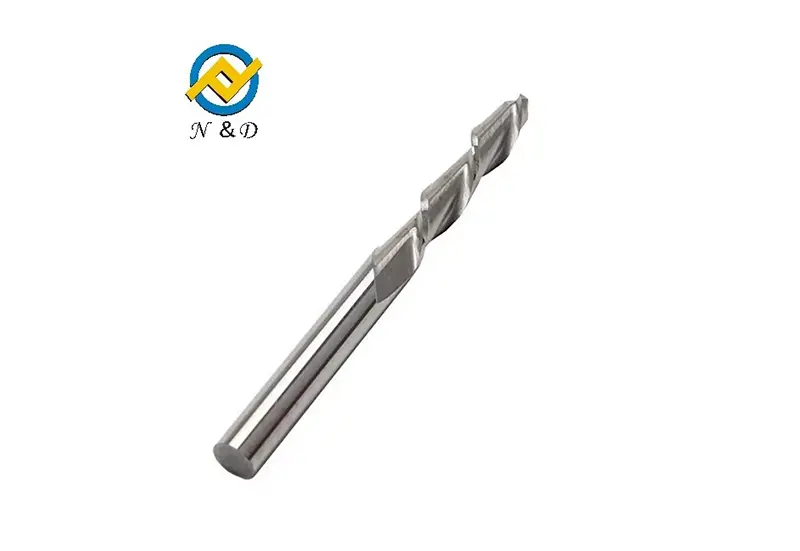
Exploring how advanced geometry and high-speed twist drills optimize cycle times and improve finishing efficiency in automotive factories.
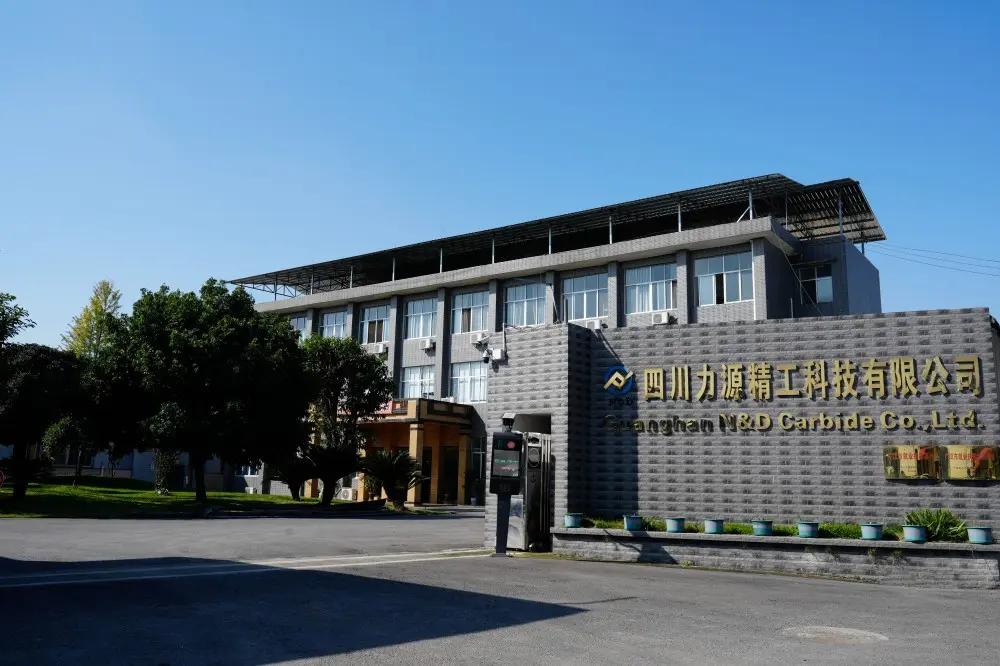
Founded in 2004, our company is a leading manufacturer of high-quality tungsten carbide tools. Headquartered in Guanghan, Sichuan Province, China, we specialize in high-end carbide materials and serve clients in mining, construction, oil & gas, and aerospace manufacturing.
Our 120+ team includes experienced metallurgists and CNC tool grinding professionals. Through ongoing R&D investments, we develop high-precision, high-durability tools that meet demanding industrial standards.

 N&D Carbide