Custom Flute Milling Cutter Manufacturer & Manufacturers

High-Precision Solid Tungsten Carbide Cutting Solutions Engineered for Global CNC Industrial Applications

Precision Engineering Catalog

Premium Machining Tool Solutions

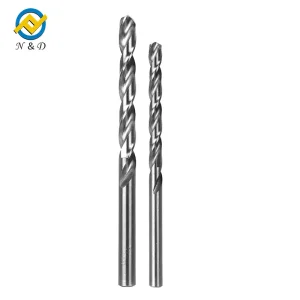
Solid Carbide Twist Drill

Custom Solid Carbide Twist Drill Manufacturers

The ultimate solution for high-precision drilling applications across high-hardness metallurgical operations.

View Details
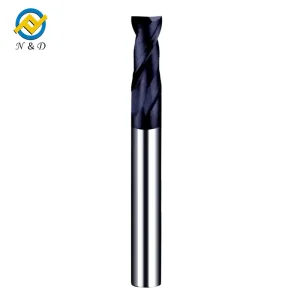
Tungsten Carbide End Mill 2 Flute

Tungsten Carbide End Mill 2 Flute Milling Cutter

Engineered for deep-slot processing, contour milling, and excellent chip evacuation in non-ferrous alloys.

View Details
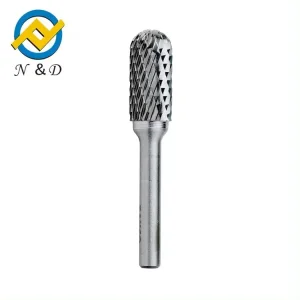
Tungsten carbide ball nosed cylindrical burr

Tungsten Carbide Ball Nosed Burr

Highly applicable in deburring, surface treatment, and precision contour sculpting in heavy engineering.

View Details
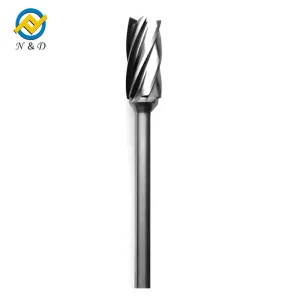
Tungsten Carbide Aluminum Rotary Burr

High-Quality Aluminum Rotary Burr

Wide-flute layout optimized specifically to prevent clogging during soft metal processing cycles.

View Details
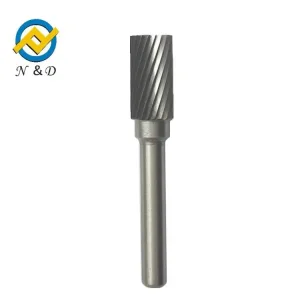
Type A Cylinder Shape Rotary Burrs

Cylinder Shape Type A Rotary Burrs

Offers rigid profile grinding and planar smoothing capabilities for robust casting finishes.

View Details
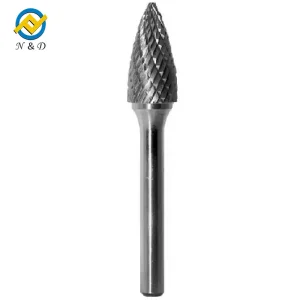
Type G Tungsten Carbide Tree Shape Rotary Burr

Type G Tree Shape Rotary Burr

Specialized pointed arc profile perfect for accessing hard-to-reach contours and pockets.

View Details
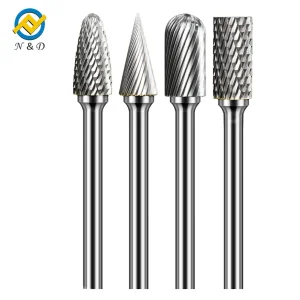
High Quality Tungsten Carbide Rotary Burrs

Tungsten Carbide Rotary Burrs

Premium Grade micro-grain carbide structures built to sustain mechanical load in aerospace components.

View Details
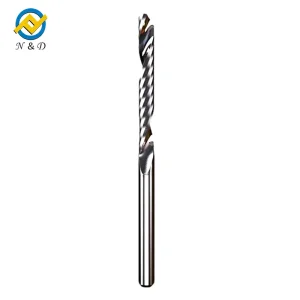
Tungsten Carbide Single Flute Spiral End Mill

Tungsten Carbide Single Flute End Mill

Fast chip evacuation geometry designed for precision high-speed routing in plastics, wood, and acrylics.

View Details

Advanced Flute Milling Cutter Engineering: Design, Geometry, and Material Science

In modern subtractive computer numerical control (CNC) machining operations, the selection of the right rotary cutting tools serves as the fundamental link determining the structural integrity, surface roughness, and dimensional accuracy of the machined workpiece. As a premier custom flute milling cutter manufacturer, we leverage decades of metallurgical expertise and state-of-the-art computational fluid dynamics (CFD) modeling to design custom tooling structures optimized for highly specialized industrial tasks.

The term "flute" in milling geometry refers to the deep helical grooves or channels engineered into the outer circumference of the cutter body. These channels serve a dual purpose: first, they act as the relief path for continuous chip evacuation from the shear zone; second, they form the rake and relief cutting edges that directly shear material. The engineering balance between flute count, helix angle, core diameter, and radial relief is critical to achieving stable mechanical operations.

Deciphering Tool Geometries: The Mechanics of Flute Optimization

Optimizing custom milling tools requires identifying the precise dynamic balance of the following parameters:

  • Helix Angle Variations: Standard helix angles (30° to 38°) provide balanced tool life and mechanical cutting forces. High helix designs (45° to 60°) deliver exceptional shearing action, transferring forces axially up the spindle. This minimizes radial deflection, making them ideal for soft or sticky materials such as aluminum and soft copper alloys. Custom variable-helix configurations are engineered to actively disrupt harmonic vibrations, thereby eliminating surface chatter in deep pocketing applications.
  • Core Diameter Thickness: The core diameter is the inner solid structure of the tool. A larger core increases cross-sectional area, drastically reducing deflection under radial loads. However, it concurrently decreases the flute pocket volume, limiting the tool's chip clearance rate. Our customized designs calculate this core-to-flute ratio based on your precise feed rates and material profiles.
  • Flute Configurations:
    • Single Flute & 2-Flute: Feature massive pocket volumes, allowing high feed-per-tooth calculations. Ideal for heavy roughing in aluminum, soft polymers, and composite materials.
    • 3-Flute Configurations: Provide the dynamic sweet spot, combining structural rigidity with sufficient chip room to perform slotting and peripheral profiling in non-ferrous and steel alloys.
    • 4-Flute and Multi-Flute (5 to 9+ Flutes): Boast high core rigidity. These are optimized for high-speed machining (HSM) paths in hard steels, titanium, and nickel-based superalloys, where radial engagement is shallow but feed rate demands remain high.
Tungsten Carbide Manufacturing Plant
Established 2004

About N&D Tungsten Carbide

Founded in 2004, our company is a leading manufacturer of tungsten carbide products, specializing in the production of high-quality carbide materials. Headquartered in Guanghan, Sichuan Province, China, we have become an industry leader, serving a wide range of industries including mining, construction, oil and gas, and manufacturing.

Our commitment to excellence and innovation allows us to expand our business and meet the needs of our customers around the world. As a company with 120+ dedicated employees, we pride ourselves on providing quality products that meet the diverse needs of our customers.

Our team consists of experienced professionals who are well versed in the intricacies of tungsten carbide manufacturing, ensuring our products meet the highest standards of precision and durability. Through continued investment in research and development, we strive to be at the forefront of technological advancement, allowing us to provide our customers with cutting-edge solutions.

2004
Established Year
120+
Dedicated Professionals
500+
Customer Praise Projects
60+
Global Export Countries
Industrial Craftsmanship

Our Advanced Production Process

01

Wet Grinding

Mix premium raw tungsten carbide powder, cobalt bonding elements, specialized rare metal additives, aviation gasoline, and high-density alloy balls to create a highly homogenous raw slurry.

02

Controlled Drying

Carefully dry the wet mixture through atomization spray systems, integrate organic paraffin binding agents (ginseng gum), and extract the volatile aviation gasoline carriers in a vacuum atmosphere.

03

Hydraulic Pressing

Compacting the fine-grade dry tungsten carbide compound using precision engineered molds under high pressure, shaping the base metallurgical cylindrical rod structures.

04

HIP Sintering

Utilizing high-temperature Overpressure Sintering (HIP) technology up to 1400°C+ to close internal microporosity, maximizing structural density, toughness, and metallurgical hardness.

05

5-Axis CNC Grinding

Employing state-of-the-art 5-axis CNC grinding centers equipped with high-precision diamond wheels to form specialized flute profiles, variable helixes, and secondary relief angles.

06

Laser Metrology Inspection

Executing strict multi-point structural scanning via ultra-precision non-contact laser measurement systems. Testing core diameter, helical pitch tolerance, and cutting edge roughness.

Sourcing Advantage: Strategic Procurement of Custom Tooling from Chinese Advanced Manufacturing Hubs

Sourcing premium custom flute milling cutters from reputable Chinese manufacturers offers significant competitive advantages for global machining entities, mechanical job shops, and original equipment manufacturers (OEMs). The integration of local manufacturing clusters, raw material vertical integration, and technological automation creates a robust value proposition:

  • Vertical Raw Material Integration: Sichuan and Hunan provinces contain some of the world's most extensive premium tungsten deposits. Operating a modern facility in Guanghan allows us to bypass global raw material supply chain instability. We procure raw tungsten APT of verified chemical purity, translating directly into consistent density, micro-grain structure, and cost benefits for our clients.
  • State-of-the-Art German & Swiss Multi-Axis Grinding Infrastructure: Modern Chinese manufacturers have transitioned from manual lathe machining to high-end CNC automation. Our production floor features advanced multi-axis grinding units from world-class machinery brands, ensuring repeatability tolerances down to ±0.002 mm.
  • Agile OEM/ODM Customization Pipelines: In contrast to rigid Western tool suppliers, our custom engineering department can draft blueprints, model chip flow, and fabricate custom batches within exceptionally tight lead times. This allows clients to test, iterate, and deploy prototype tools rapidly.
  • Strategic Cost Reductions & High Total Cost of Ownership (TCO) Efficiency: The combination of advanced local metallurgical supply lines and high manufacturing efficiency enables us to deliver high-end tool options at a fraction of standard international prices. This ensures long-term operational savings on tooling wear-and-tear costs.

Macro Industry Solutions: Bridging the Gap Across Dynamic Tooling Environments

Industrial cutting parameters vary widely between sectors. A general tool configuration rarely delivers optimal performance across diverse operational environments:

1. Aerospace & Defense: Machining titanium alloys (like Ti-6Al-4V) and carbon-fiber-reinforced polymers (CFRP) requires specialized tooling geometry. Titanium's low thermal conductivity concentrates extreme temperatures at the cutting edge. To resolve this, we configure custom flute cutters with specialized AlTiN coatings, micro-polished rake surfaces, and internal coolant channels to evacuate heat.

2. High-Precision Die & Mold Making: Machining hardened tool steels (such as H13, D2, or P20) at Rockwell hardness ratings exceeding HRC 55 requires exceptional rigidity. We supply ball-nose end mills designed with reinforced core profiles and high negative rake angles to prevent edge chipping during continuous roughing operations.

3. Semiconductor & Optoelectronics Packaging: Miniaturized electronic housings require microscopic engraving cutters and micro-drills capable of high rotational speeds without dynamic runout. Our micro-milling options offer perfect balance, allowing high spindle speeds (up to 60,000 RPM) while maintaining structural integrity.
Knowledge Base

Frequently Asked Questions

How do I choose between a 2-flute, 3-flute, and 4-flute end mill?
The decision depends on the material properties of the workpiece and the feed rates. Use a 2-flute milling cutter for non-ferrous materials (like aluminum or wood) where massive chip clearance is required. Select a 4-flute milling cutter for harder ferrous steels and titanium alloys, as it features a thicker core and can withstand larger cutting loads. Choose a 3-flute tool to achieve a balance between chip clearance and tool rigidity, making it suitable for pocketing non-ferrous materials or general alloy steels.
What coatings do you apply to custom flute milling cutters?
We apply a wide range of advanced PVD/CVD coatings based on application needs, including AlTiN (Aluminum Titanium Nitride) for heat resistance in dry machining, TiSiN (Titanium Silicon Nitride) for hardened steel machining up to HRC 65, and DLC (Diamond-Like Carbon) coatings to prevent buildup edge (BUE) when milling aluminum and copper alloys.
What is the typical lead time for custom tooling designs?
Initial design blueprints are typically generated within 2-3 business days. Once the engineering drawings are finalized and approved, manufacturing takes approximately 10-15 business days, depending on batch quantity and coating requirements.
How does your factory ensure consistency in carbide grades?
We source raw materials directly from verified domestic tungsten mines. Every batch undergoes strict quality control checkpoints, including cobalt content verification, density tests, and scanning electron microscope (SEM) checks to confirm uniform micro-grain distribution before manufacturing begins.
Dynamic Tool Selection

High-Efficiency CNC Routing Tools

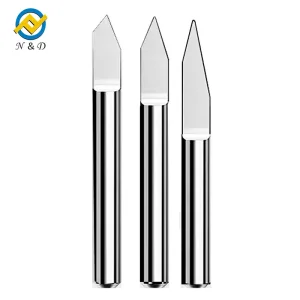
Carbide CNC Cutter Engraving Tools

Carbide CNC Engraving Tool Manufacturers

Engineered for fine-detail work, typography carving, and mold-making in alloyed workpieces.

View Details
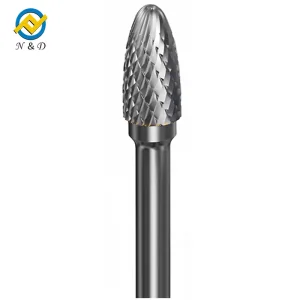
Tungsten Carbide Oval Shape Rotary Burrs

Oval Shape Custom Rotary Burrs

Features a customized oval profile to ensure smoother surface finishing during contour blending.

View Details
Tungsten Carbide Ball Nosed Tree Shape Type F

Ball Nosed Tree Shape Type F Burr

Unique combination shape that provides edge chamfering and pocket blending capabilities.

View Details
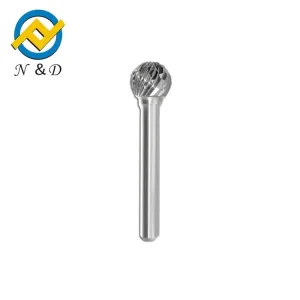
Tungsten Carbide Ball Shape Rotary Burrs

Tungsten Carbide Ball Shape Rotary Burrs

Designed for machining interior spherical pockets and undercutting radii with minimal friction.

View Details
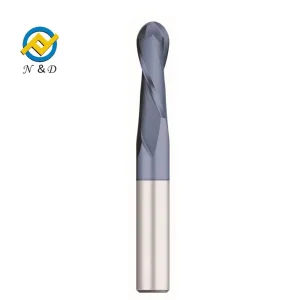
Tungsten Carbide Ball Nose End Mill

High Precious Ball Nose End Mill

Unmatched precision for 3D profiling operations on hardened steel molds and dies.

View Details
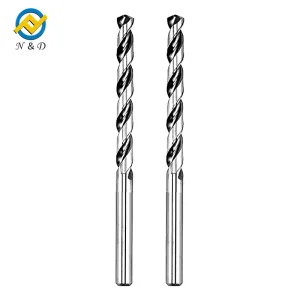
Cobalt Twist Drill

Cobalt Twist Drill Precision Engineering

Alloyed with high cobalt concentrations to deliver heat resistance when drilling alloy steels.

View Details
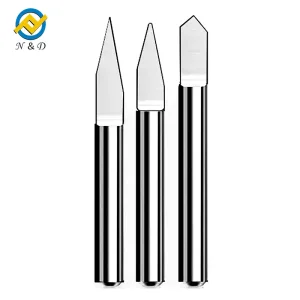
Tungsten Carbide Cutting Tool Engraving Bit

Tungsten Carbide Engraving Tool Bit

Rigid flat-bottom engraving tips built for precise routing, marking, and relief engraving.

View Details