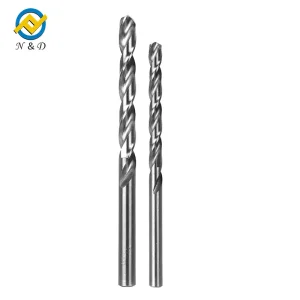
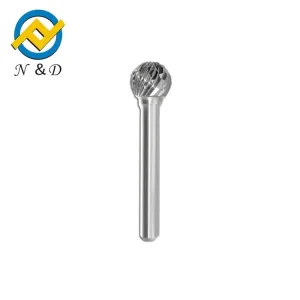
Explore our high-performance line of solid tungsten carbide end mills, rotary burrs, and precision twist drills engineered directly by our state-of-the-art factories.
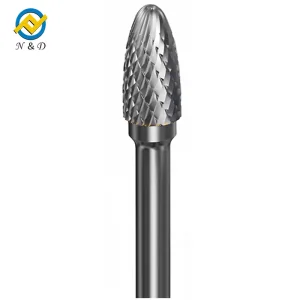
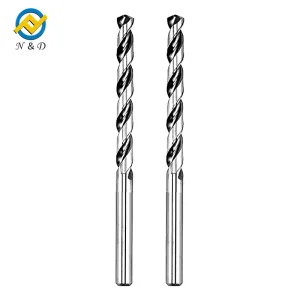
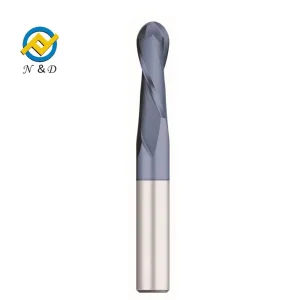
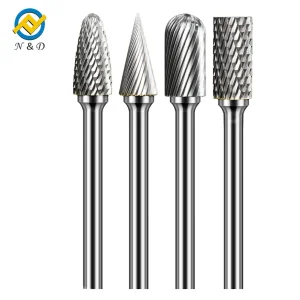
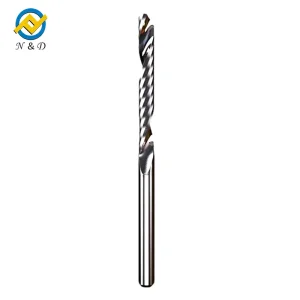
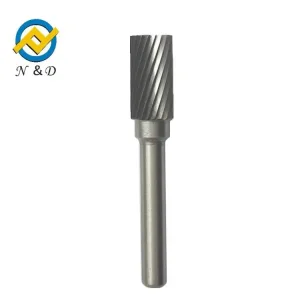
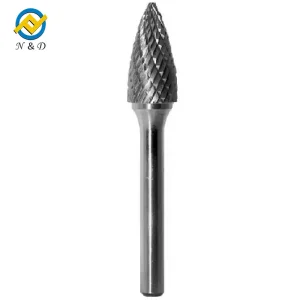
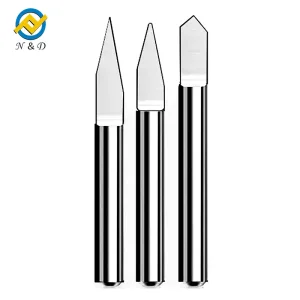
In the highly competitive world of precision machining, edge preparation, deburring, and bevelling represent the critical final steps in establishing a component’s structural integrity and aesthetic value. Sourcing high-quality custom carbide chamfer mills directly from expert manufacturing factories has emerged as a major tactical advantage for global mechanical procurement networks. Off-the-shelf options rarely meet the extreme demands of complex multi-axis CNC machines working on advanced superalloys, hard tool steels, or high-feed lightweight aluminum structures.
This whitepaper delves into the engineering principles behind carbide selection, micrograin metallurgy, variable helix geometry designs, and complex PVD (Physical Vapor Deposition) coating techniques. We bridge the gap between engineering needs and commercial sourcing by providing deep insights into factory pricing structures, custom request pipelines, and the global macroeconomic landscape of tooling manufacture.
Experience: Active in global tungsten carbide metallurgy and production since 2004.
Expertise: In-house metallurgists and CNC engineering teams using advanced 5-axis Walter grinding stations.
Authoritative: Based in Guanghan, Sichuan Province—China's premium tungsten resource zone—delivering tools to over 60 countries.
Trustworthiness: Full ISO 9001:2015 certification, complete material traceability, and real-world batch inspection charts.
Industrial chamfering is no longer just a simple finishing step. Across the world, advanced manufacturing ecosystems require tight, repeatable edge tolerances to guarantee structural reliability and compliance.
Edge profiling in aerospace alloys (Inconel, Titanium, Carbon Fiber Reinforced Polymers) is critical. Even a microscopic micro-fracture or stress riser on a machined edge can lead to structural fatigue under high aerodynamic pressure. Our custom 30° and 45° carbide chamfer mills are engineered with reinforced cutting edges to prevent micro-chipping in superalloys.
Automotive EV battery trays, engine blocks, and drive train gear components rely heavily on continuous automated production. For these lines, custom multi-flute carbide chamfer mills ensure rapid cycle times, high feed rates, and millions of cycles before requiring re-sharpening or replacement, lowering overall tool costs per piece.
Surgical tools and implants made from bio-compatible titanium require burr-free edges under microscopic inspection. Our customized micro-chamfer mills (with tip diameters down to 0.2mm) are built to generate clean, burr-free chamfers that eliminate the need for manual post-processing, saving significant production time.
When submitting specifications to a factory, standard terminology ensures accurate quotes and production. Standard chamfer mill variations rely on three primary pillars: carbide grade (substrate), geometry (flute design and angle), and coating type.
| Feature / Parameter | Standard Options | Custom Factory Adaptations | Primary Industrial Benefits |
|---|---|---|---|
| Chamfer Angles | 60°, 90°, 120° | 15° to 140° (Stepless adjustments) | Allows custom countersinks, undercut beveling, and uniform edge break designs. |
| Flute Configurations | 2 Flute, 4 Flute | 3 Flute, 6 Flute, Multi-flute (variable pitch) | Optimizes chip evacuation in soft aluminum (2/3 flutes) or finish quality in hardened steels (6+ flutes). |
| Substrate Grade | Standard YG10X | Sub-micron (YL10.2), Ultra-fine micrograin carbide | Boosts transverse rupture strength (TRS) and hardness to handle workpieces up to 65 HRC. |
| Coating Selection | TiAlN, AlTiN | nACo (Nano-Composite), TiSiN, DLC (Diamond-Like Carbon) | Provides oxidation barriers up to 1100°C; significantly reduces coefficient of friction. |
| Reach / Shank Length | Standard DIN lengths | Extra-reach necks, tapered shanks, relief necks | Enables deep cavity profiling and eliminates tool neck collision in 5-axis pocketing. |
Each custom carbide chamfer mill is manufactured through six rigorous manufacturing and quality control phases at our Chinese plant.
We mix premium tungsten carbide powder, cobalt, rare alloying metals, and binder fluids in industrial ball mills to form a highly homogeneous paste, maintaining precise density control.
The wet mixture is spray-dried in specialized chambers, removing the milling fluids to yield highly flowable, spherical granules ready for high-pressure compacting.
Using high-tonnage hydraulic presses, we shape the granulated powder into dense green carbide rod blanks, setting the baseline dimensions for customized tool shanks.
Extruded blanks undergo sintering in a Hot Isostatic Pressing (HIP) furnace at 1450°C. Sinter-HIP eliminates residual micro-porosity, maximizing transverse rupture strength.
Using advanced Walter and ANCA CNC tool grinders, we grind the tool's relief angles, helix angles, and cutting edge geometries using customized diamond grinding wheels.
Every production run is verified using Zoller non-contact laser measuring machines, guaranteeing that run-out, core diameter, and angle tolerances remain below 0.005mm.
When sourcing custom carbide tooling, procurement managers must understand the key factors behind factory pricelists. Unlike standard catalog items, custom carbide chamfer mills require careful setup, specific raw material planning, and direct engineering design hours.
1. Batch Size & Minimum Order Quantity (MOQ): Sintering ovens and 5-axis CNC grinders require specialized setups. Orders of 10-50 tools carry higher setup costs per unit, whereas orders above 100 pieces distribute setup costs and significantly lower unit prices.
2. Raw Material Costs (Tungsten and Cobalt Indexes): The price of premium APT (Ammonium Paratungstate) and cobalt powder impacts blank costs. Standard micrograin carbide (10% Cobalt) is stable, but high-cobalt or ultra-fine sub-micrograin options add a modest premium.
3. Geometry Complexity: Double-ended chamfer mills, variable helix designs, or extra-long reach necks require longer grinding cycles and specialized wheel profiles, reflecting in the final cost.
4. Coating Types: Specialized PVD coatings like nACo or custom DLC (for clean cuts in aluminum and carbon fiber) require dedicated physical deposition runs, adding a structured coating upcharge based on tool surface area.
*The prices below represent general factory baselines for a standard 45° 4-Flute Chamfer Mill (Tungsten Carbide substrate) based on order volume. Request a formal quote for precise pricing.
We combine cost-effective factory production in Sichuan, China, with localized technical support and fast international shipping networks.
Through partnerships with warehousing hubs in Germany and Italy, we offer off-the-shelf standard sizes with 48-hour delivery. Local technical engineers are available to assist with feed/speed calculations and design requests, helping you transition seamlessly from testing to production.
For our customers in the US and Canada, we offer reliable DDP (Delivered Duty Paid) air freight and cost-efficient sea freight options. We manage all customs clearance and import duties, delivering custom tooling orders directly to your facility without unexpected fees.
All factory operations align with environmental protection laws. We recover and recycle used tungsten carbide materials while keeping our production facilities zero-wastewater compliant. Our tools are fully traceable back to the raw batch powders.
Machining is evolving rapidly, driven by high-speed CNC centers, advanced 5-axis toolpaths, and newer, tougher alloys. As a result, modern cutting tool designs must adapt. We are focused on three core technical areas to ensure our products continue to deliver top performance:
For high-silicon aluminum, carbon fiber composites, and abrasive non-ferrous metals, solid carbide alone can wear quickly. We are expanding our production lines for PCD-tipped chamfer mills. These hybrid tools combine the impact resistance of a solid carbide body with the extreme wear resistance of diamond cutting tips, providing up to 50 times the service life of traditional tools in abrasive applications.
Standard chamfer mills can struggle with harmonic resonance (chatter) during deep beveling or contour chamfering. Our newer geometries use a variable helix angle combined with asymmetrical flute spacing. This design disrupts harmonic patterns during cutting, resulting in cleaner surface finishes, reduced machine spindle stress, and extended tool life.
Get expert answers to common technical and sourcing questions regarding custom carbide chamfer mills and pricing.
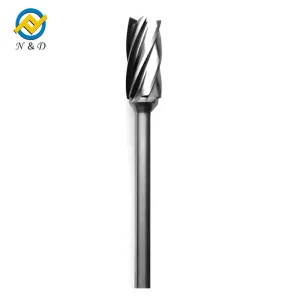
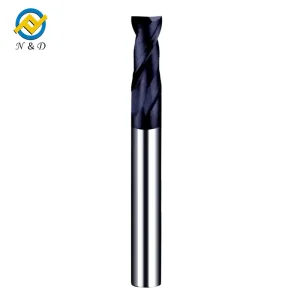
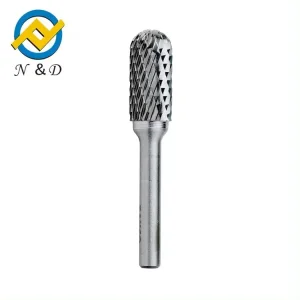
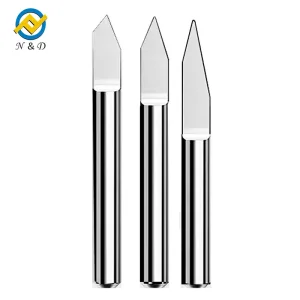
Browse our complete selection of solid carbide tooling options, designed to meet the demands of modern machining centers worldwide.
 N&D Carbide