Tungsten Milling has emerged as a leading solution for precision manufacturing. Its unique properties make it ideal for creating intricate parts with high durability. Manufacturers appreciate that tungsten offers exceptional hardness and strength. This translates into longer tool life and reduced production costs.
When seeking precision, many industries rely on the advantages of Tungsten Milling. The process allows for tight tolerances, ensuring that each part meets exact specifications. This level of accuracy enhances product reliability, which is crucial in sectors like aerospace and medical.
However, tungsten is not without challenges. Its density can complicate handling and machining. Yet, these hurdles can lead to innovations in manufacturing techniques. As industries evolve, insights into Tungsten Milling will continue to shape the future of precision engineering.
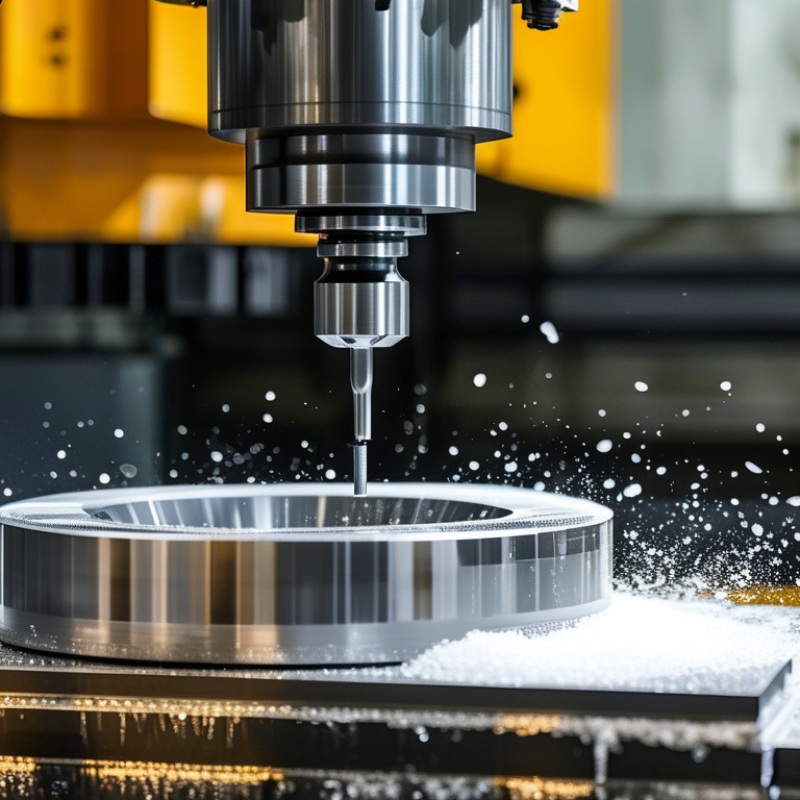
Tungsten is a remarkable material for precision manufacturing. Its high density makes it ideal for applications requiring heavy components. This density provides stability and strength that many other materials lack. Tungsten can withstand extreme temperatures, making it perfect for environments that involve high heat. It won’t easily warp or melt, ensuring reliability in critical situations.
Another unique feature is tungsten's hardness. This property allows it to maintain an edge without rapidly degrading. Tools made from tungsten can cut through tough materials over extended periods. However, working with tungsten can be challenging. Its brittleness may lead to fractures if mishandled during milling. Adequate experience in tungsten milling is crucial to avoid costly mistakes.
Machining tungsten demands precision. The tooling must be robust and well-maintained. Operators need to monitor the process closely to prevent overheating. Tungsten's unique characteristics can lead to issues if not managed properly. However, with the right techniques, the benefits outweigh these challenges. Precision manufacturing often requires adapting to the material’s demands, and tungsten is no exception.
Tungsten milling is revolutionizing precision manufacturing. This advanced technique offers numerous advantages over traditional machining methods. Tungsten is renowned for its exceptional hardness and high melting point, making it ideal for producing components that resist wear and deformation. According to the International Journal of Advanced Manufacturing Technology, the high-density material can enhance the overall durability of machined products by up to 40%.
One significant advantage of tungsten milling is its precision. Traditional methods often yield dimensional tolerances of ±0.1 mm. However, tungsten milling can achieve tolerances as tight as ±0.01 mm. This precision is crucial in industries like aerospace and medical devices, where every micron counts. Additionally, tungsten’s thermal properties contribute to reduced machining temperatures, minimizing tool wear and extending tool life.
Tip: Always assess the specific requirements of your project. Understanding the material properties is essential for optimal results.
Another benefit is the reduced cycle time associated with tungsten milling. Shorter machining times can lead to increased productivity and lower overall costs. Data shows that adoption of tungsten milling can improve production efficiency by as much as 25%. However, it's essential to recognize the initial investment in tungsten milling equipment. This upfront cost can be significant, and businesses must evaluate whether the long-term benefits outweigh these costs.
Tip: Regularly review your machining strategy. Continuous improvement is key to staying competitive.
| Dimension | Tungsten Milling | Traditional Machining |
|---|---|---|
| Material Hardness | High (up to 9 on Mohs scale) | Moderate (up to 7 on Mohs scale) |
| Dimensional Accuracy | ±0.001 inches | ±0.005 inches |
| Surface Finish | Ra 0.2 µm | Ra 1.6 µm |
| Tool Wear Rate | Low | Moderate |
| Production Speed | High | Variable |
| Application Versatility | High (for complex geometries) | Limited |
Tungsten components are integral to various industries due to their unique properties. Their high density and melting point make them suitable for demanding applications. For example, aerospace manufacturers often rely on tungsten for creating weights and counterbalances in aircraft. Reports indicate that the aerospace sector will require around 25,000 tons of tungsten annually by 2025, driven by increased aircraft production.
In the medical field, tungsten plays a critical role in radiation shielding. High-performance radiation therapy equipment uses tungsten to protect both patients and medical staff. Studies show that tungsten is 1.7 times denser than lead, enhancing its effectiveness as a shielding material. Hospitals that prioritize tungsten components in their equipment can improve safety and effectiveness.
The automotive industry also benefits from tungsten milling, especially in the production of high-performance engine parts. Many premium vehicles utilize tungsten for its durability. However, the challenge lies in sourcing high-quality tungsten consistently. As this demand grows, manufacturers must reflect on supply chain reliability. Exploring local sourcing could mitigate issues related to import regulations and enhance sustainability.
Tungsten milling is a highly specialized process essential for precision manufacturing. This method utilizes tungsten material, known for its durability and high melting point. The milling process involves removing material to achieve specific dimensions and surface finishes. Equipment used in tungsten milling includes CNC machines, which allow for accurate control over the milling process. The precision achieved is critical in industries like aerospace, automotive, and medical.
The tungsten milling process is complex, requiring skilled operators to manage tools and machinery effectively. Factors like tool speed, feed rate, and cooling methods directly influence the milling results. Engineers must understand these parameters to optimize performance. However, challenges exist. For instance, overheating can damage both the tool and the workpiece. Operators need to be vigilant about monitoring these aspects to ensure quality outcomes.
Equipment maintenance is another crucial factor. Regular checks are needed to prevent breakdowns. Tungsten is abrasive, leading to quicker tool wear. This can result in unexpected downtimes. Understanding these pitfalls helps manufacturers adapt their processes and equipment choices. Commitment to continuous improvement and learning is vital for success in tungsten milling.
Tungsten milling offers a unique balance of cost-effectiveness and efficiency. Tungsten is known for its hardness, making it ideal for precision manufacturing. This durability means that tools last longer, reducing the need for frequent replacements. Fewer replacements lead to lower overhead costs and less downtime in production. For manufacturers, this translates into significant savings over time.
In addition, tungsten milling can produce intricate designs that are essential in various industries. The precision achieved through tungsten milling can enhance product quality. This aspect contributes to customer satisfaction and repeat business. However, it is important to consider the initial costs of tungsten tools. While they may be higher upfront, the long-term benefits can outweigh these expenses. Assessing the overall value is essential for informed decision-making.
Another consideration is the expertise needed to operate tungsten milling machinery. Skilled technicians must be available to handle complex processes. Investing in training can bolster production efficiency. The right balance of investment and skills leads to optimal results. Nonetheless, continually evaluating processes can reveal areas for improvement. As industries evolve, refining these operations becomes critical for sustained growth.
This bar chart illustrates the cost-effectiveness and efficiency of tungsten milling solutions compared to traditional materials in precision manufacturing. The data showcases the average costs and production efficiencies, highlighting the advantages tungsten milling offers in terms of both performance and budget.
: Tungsten components are vital because of their high density and melting point, making them suitable for demanding applications.
Aerospace manufacturers use tungsten to create weights and counterbalances in aircraft, enhancing performance and stability.
In the medical field, tungsten is used for radiation shielding, improving safety for both patients and medical staff.
Tungsten is 1.7 times denser than lead, making it a more effective shielding material in radiation therapy equipment.
Sourcing high-quality tungsten consistently remains a challenge, affecting production of high-performance engine parts.
Exploring local sourcing options could enhance supply chain reliability and sustainability in tungsten procurement.
Tungsten milling involves removing material to achieve specific dimensions, utilizing specialized equipment for precision manufacturing.
Tool speed, feed rate, and cooling methods directly affect the outcomes of the milling process, requiring careful management.
Regular maintenance is crucial to prevent breakdowns, as tungsten's abrasive nature can lead to quicker tool wear.
Overheating can damage tools and workpieces, so operators must monitor conditions closely to ensure quality outcomes.
Tungsten Milling is rapidly becoming a preferred choice for precision manufacturing due to its unique properties, such as high density, exceptional hardness, and excellent resistance to wear and corrosion. These characteristics make tungsten an ideal material for demanding applications across various industries, including aerospace, medical, and automotive sectors.
The advantages of Tungsten Milling over traditional machining techniques are significant; it offers improved precision, efficiency, and a reduction in production costs. Understanding the intricacies of the Tungsten Milling process and the requisite equipment can lead to enhanced manufacturing outcomes. As industries seek more cost-effective solutions without compromising quality, Tungsten Milling stands out as a viable option, optimizing both performance and financial investment.

N&D Carbide