What is Tungsten Carbide Cutting Tools and Their Benefits?

Time:2026-06-19 Author:Oliver
0%

Tungsten Carbide Cutting Tools are essential for various industrial applications. Their unique properties make them a preferred choice in many manufacturing processes. These tools are renowned for their hardness and durability. They can withstand high temperatures and resist wear, ensuring a longer lifespan compared to other materials.

The ability to maintain a sharp edge is vital in cutting applications. Tungsten Carbide Cutting Tools excel in this aspect. Machinists often report improved precision and output efficiency when using these tools. This reliability enhances productivity and reduces downtime, which is crucial in competitive markets.

However, there is a cost factor to consider. Tungsten Carbide Cutting Tools can be more expensive initially. Businesses must weigh these costs against the benefits of enhanced performance and longevity. This reflective process can lead to better long-term decision-making. Investing in quality tools can yield significant returns in terms of project quality and operational efficiency.
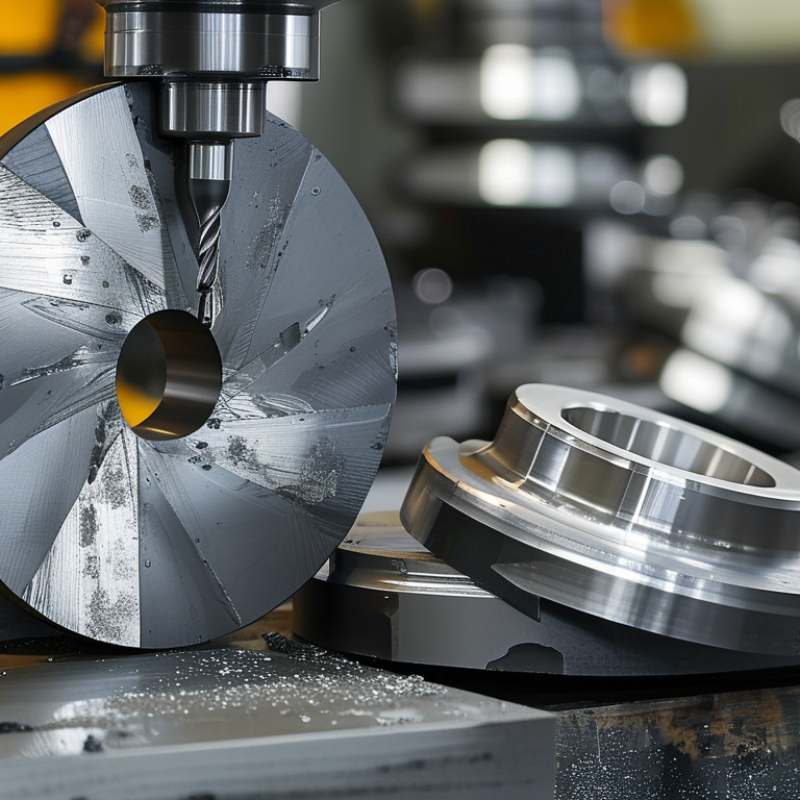
What is Tungsten Carbide Cutting Tools and Their Benefits?

What is Tungsten Carbide and Its Composition in Cutting Tools?

Tungsten carbide is a compound made of tungsten and carbon. This durable material is widely used in cutting tools due to its high hardness. Tungsten contributes to toughness, while carbon enhances wear resistance. Together, they create a strong bond that withstands extreme conditions.

Cutting tools made from tungsten carbide are preferred in various industries. They maintain sharpness longer than tools made from softer materials. This longevity reduces the need for frequent replacements, saving costs over time. The ability to resist heat and abrasion is crucial for effective machining.

While tungsten carbide tools are highly efficient, there are challenges. They can be brittle, leading to chipping if mishandled. Proper care and usage are essential to maximize their lifespan. Understanding the composition and properties helps in making informed choices for cutting applications.

Key Properties of Tungsten Carbide that Enhance Tool Performance

Tungsten carbide cutting tools are renowned for their exceptional performance in metalworking. Unique properties contribute to their effectiveness. High hardness makes tungsten carbide highly resistant to wear. This durability enables longer tool life, reducing frequent replacements.

The toughness of tungsten carbide is another important feature. This toughness allows tools to withstand high impact forces without chipping or breaking. These characteristics improve precision in cutting and machining. Furthermore, tungsten carbide can maintain its sharp edge longer than other materials.

Tip: To maximize the benefits of tungsten carbide tools, ensure proper tool maintenance. Regular sharpening and inspection can help maintain their performance.

Another key property is heat resistance. Tungsten carbide tools can operate at higher temperatures than others without losing performance. This is crucial during high-speed machining. However, using the right cutting speed is still essential. Overworking the tool can lead to premature wear.

Tip: Monitor your cutting speeds closely. Adjust them based on the material being cut to avoid damaging your tools. This attention to detail can enhance tool life and performance.

Common Applications of Tungsten Carbide Cutting Tools in Industries

Tungsten carbide cutting tools are widely used in various industries due to their hardness and durability. These tools excel in machining metals, particularly in manufacturing and automotive sectors. Their ability to withstand high temperatures makes them ideal for drilling and milling.

In the aerospace sector, tungsten carbide is crucial. It enhances precision in cutting materials like titanium and nickel alloys. This ensures safety and performance in flight. The mining industry also benefits from these tools. They can cut through tough rock formations, improving efficiency.

**Tips:** Regularly inspect your tools for wear. Timely replacement can prevent catastrophic failures. Also, consider the right cooling methods. This can prolong tool life and enhance performance.

Caution is necessary, too. Over-reliance on high-speed settings can lead to tool damage. Adjusting the speed based on material can help achieve better results. Results can be variable, so continuous assessment is key to improvement.

Tungsten Carbide Cutting Tools - Common Applications and Benefits

Benefits of Using Tungsten Carbide Over Other Cutting Materials

Tungsten carbide cutting tools are increasingly popular in various industries. Their unique properties make them an excellent choice for precision cutting. One of the standout benefits is their hardness. Tungsten carbide is much harder than steel. This means tools maintain their sharpness for longer periods. Users appreciate reduced downtime for tool sharpening.

Another key benefit is resistance to wear and tear. Compared to other materials, tungsten carbide tools last much longer. Durability leads to cost savings over time. Manufacturers often consider this when selecting cutting tools for production. The reliability of tungsten carbide ensures consistent quality in finished products.

However, not all cutting tasks require tungsten carbide. There are situations where softer materials may suffice. Users should evaluate the specific needs of their projects. Balancing cost and efficiency is crucial. Sometimes, the initial expense can be a drawback. It's essential to reflect on both the short-term and long-term benefits when choosing cutting tools.

Market Trends and Future Projections for Tungsten Carbide Tools

Tungsten carbide cutting tools continue to evolve as industries shift towards higher efficiency and performance. Market trends indicate a growing demand for these tools across various sectors, including automotive, aerospace, and manufacturing. According to recent reports, the global tungsten carbide tools market is projected to reach USD 25 billion by 2025. This growth is driven primarily by advancements in cutting technology and the increasing use of tungsten carbide in precision machining.

Looking ahead, future projections highlight a significant rise in the adoption of tungsten carbide tools, estimated to grow at a compound annual growth rate (CAGR) of 6.4%. This trend emerges despite challenges like raw material price fluctuations. The ongoing development of nano-structured carbide materials offers the promise of even greater hardness and wear resistance. As industries prioritize durability and precision, tungsten carbide tools will likely play an integral role in meeting these demands.

Key data suggests that around 70% of manufacturers are currently investing in enhanced tool technology. This shift reflects a growing awareness of the benefits of tungsten carbide, such as longer tool life and reduced maintenance costs. However, despite these advantages, many end-users still lack awareness of optimal tool selection, often overlooking the impact on overall production efficiency. Addressing this knowledge gap is crucial for maximizing the potential of tungsten carbide tools in the future.

What is Tungsten Carbide Cutting Tools and Their Benefits?

Feature Description Benefit
Hardness Tungsten carbide is one of the hardest materials available. Extremely durable and wear resistant, leading to longer tool life.
Heat Resistance Tungsten carbide maintains its hardness at high temperatures. Allows for high-speed machining without losing performance.
Versatility Can be used for machining various materials, including steel and aluminum. Suits a wide range of applications across different industries.
Cost Efficiency Longer tool life reduces the frequency of tool changes. Lower overall tooling costs in the long run.
Surface Finish Provides a superior surface finish on machined parts. Enhances product quality and reduces post-processing efforts.

FAQS

: What industries use tungsten carbide cutting tools?

: Tungsten carbide cutting tools are used in manufacturing, automotive, aerospace, and mining industries.

Why are tungsten carbide cutting tools favored?

They are hard, durable, and maintain sharpness for extended periods, reducing downtime.

How does tungsten carbide compare to steel?

Tungsten carbide is much harder than steel, providing better performance in cutting applications.

What materials can tungsten carbide cut effectively?

It excels in cutting metals, specifically titanium and nickel alloys, especially in aerospace.

How can users prolong the life of tungsten carbide tools?

Regularly inspect for wear, replace tools timely, and use appropriate cooling methods.

Are there any risks of using high-speed settings?

Yes, over-reliance on high-speed settings can damage the tools, so adjustments are necessary.

Do all projects require tungsten carbide tools?

No, some projects may only need softer materials, so needs should be evaluated carefully.

What should users consider when choosing cutting tools?

Balancing cost, efficiency, and the specific needs of projects is crucial for optimal results.

What is one challenge with tungsten carbide tools?

The initial expense can be high, making it essential to reflect on long-term benefits.

Why is continuous assessment important?

Results can vary, and ongoing evaluation helps improve performance and tool selection.

Conclusion

Tungsten Carbide Cutting Tools are essential components in various industrial applications due to their remarkable composition and properties. Comprised of tungsten and carbon, these tools exhibit superior hardness and wear resistance, significantly enhancing their performance compared to other cutting materials. Key characteristics include high melting points, excellent thermal conductivity, and superior toughness, making them ideal for precision machining tasks across multiple sectors.

The benefits of using Tungsten Carbide Cutting Tools extend beyond performance; they offer longer tool life, reduce the frequency of replacements, and improve overall efficiency in manufacturing processes. As industries continue to evolve, market trends indicate a steady increase in the adoption of these tools, driven by advancements in technology and a growing demand for high-quality cutting solutions. Future projections suggest that Tungsten Carbide tools will remain at the forefront of machining technology, continually adapting to meet the challenges of modern production environments.


Oliver

Oliver

Oliver is a seasoned marketing professional with a wealth of expertise in driving brand awareness and engagement. With a deep understanding of our company's product offerings, he consistently delivers high-quality content that enriches our professional blog. His insights not only shed light on......