Tungsten Carbide Drill Bits Metal are essential tools for machining professionals. These bits stand out for their extreme hardness and durability. When working with metals, choosing the right drill bit can significantly affect your project’s success.
Quality tungsten carbide drill bits excel in cutting through tough materials. They provide precision and longevity. Many users appreciate their effectiveness, but not all bits are created equal. Some may wear down quickly, causing frustration. It’s important to evaluate thickness, coating, and design.
Experienced metalworkers suggest investing in high-quality options. Reliable brands often offer better performance and lifespan. Nevertheless, a well-informed choice requires careful research. Factor in project specifics and desired outcomes. In the end, understanding the nuances of tungsten carbide drill bits for metal can enhance your machining experience.
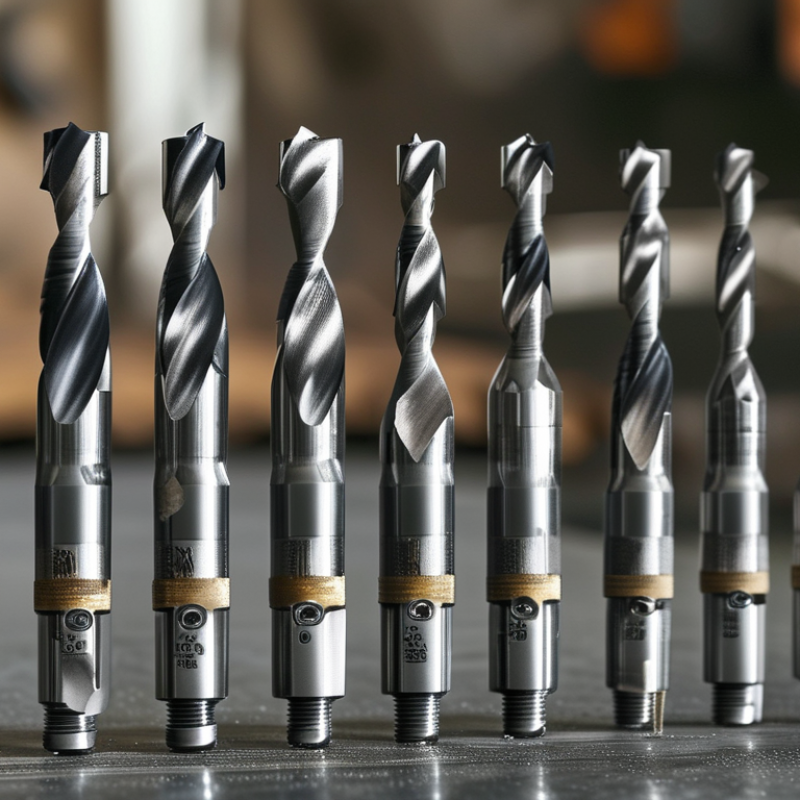
Tungsten carbide drill bits are known for their durability and cutting efficiency. They excel in drilling tough materials like metal and hard plastics. Tungsten carbide, a dense and wear-resistant material, ensures these bits last longer than traditional steel bits. Users appreciate their ability to maintain sharpness even under heavy use. This performance makes them a favorite among professionals and DIY enthusiasts alike.
Understanding their construction is essential. Tungsten carbide is often blended with cobalt for enhanced toughness. This combination provides resistance to heat and abrasion, crucial in demanding drilling tasks. Many drill bits feature different coatings, enhancing performance further. A well-coated bit can reduce friction, helping it drill faster while minimizing heat buildup.
However, not all bits are created equal. It’s vital to select the right drill bit profile for your task. A wrong choice can lead to damage, inefficiency, or even project failure. Regular maintenance is equally important. Inspecting bits for wear ensures they perform optimally. Drill bits require care; neglecting them can lead to costly mistakes. Reflecting on these factors leads to better results in metalworking projects.
When selecting tungsten carbide drill bits for metal, consider the material quality. Tungsten carbide is known for its durability and hardness. This allows for precision drilling even in tough metals. The bit's tip design plays a critical role in efficiency. A sharp, well-shaped tip reduces friction and prevents overheating during operation. This detail can significantly impact the longevity of the bit.
Another crucial feature is the coating of the drill bit. Many bits come with coatings to enhance performance. Such coatings can provide better wear resistance and reduce metal build-up. Additionally, consider the drill bit's geometry. A drill with a specific spiral flute design can improve chip removal. This helps maintain a clean work area. It also ensures smoother drilling action. However, not every geometry suits all metal types.
Lastly, the bit's shank type matters. It must fit your drill perfectly to avoid slippage. A secure fit enhances accuracy and reduces damage. A mismatch can lead to frustration and wasted materials. Always check the compatibility of each component. When you invest time in understanding these elements, you can make informed decisions. Each detail can shape your drilling experience significantly.
| Feature | Description |
|---|---|
| Material | Tungsten carbide for durability and heat resistance |
| Coating | Depending on the use case, options include TiN (Titanium Nitride) for reduced friction |
| Tip Design | Split point for accurate starting and reduced walking |
| Size Range | Available in various diameters from 1/16" to 1" and larger |
| Shank Type | Straight and tapered shanks for compatibility with different drill chucks |
| Application | Designed for drilling into hard metal, including stainless steel and cast iron |
| Heat Resistance | High-temperature tolerance to prevent wear and breakage |
When selecting tungsten carbide drill bits, understanding their types for different metal applications is essential. These bits are engineered for specific tasks, maximizing efficiency and durability. For instance, general-purpose bits are versatile. They perform well on softer metals like aluminum. In contrast, high-speed steel (HSS) bits are optimal for drilling through tough alloys.
For applications requiring precision, a split point design is advantageous. It reduces walking and ensures accurate entry into the material. Data shows that split point bits can improve drilling performance by up to 25%. Cobalt bits are recommended for stainless steel. They withstand high temperatures, maintaining sharpness longer than standard bits. It's worth noting that while cobalt bits offer excellent performance, they may wear down faster in softer metals.
In specialized applications, carbide-tipped bits shine. These are ideal for harder metals such as titanium. They resist wear better than any other type. However, they can be brittle under high pressure. Users must handle them carefully to avoid breaking. Understanding these factors can lead to better decisions when selecting drill bits for specific metal projects.
When selecting tungsten carbide drill bits for metalworking, it's crucial to understand their features and benefits. These bits excel in hardness and durability, making them ideal for tough materials. Many professionals rely on them for precision drilling. The right choice can lead to improved efficiency and performance. Evaluating different options can be daunting, as not all bits are created equal.
Top brands offer various models designed for specific tasks. Some bits feature unique cutting edges that enhance performance. Others may have coatings that extend their lifespan. It's essential to consider the material type and thickness when making a selection. Not every drill bit will meet your needs perfectly. Sometimes, trial and error reveals what works best.
A reliable source of information is essential for making informed decisions. Reviews can provide insights into real-world experiences. However, user feedback varies, and some may have biases. It’s wise to look for detailed descriptions and tests that evaluate performance across various conditions. Seeking advice from professionals in the field can also help navigate choices. Ideal bits may not just be top-rated but should also align with your specific projects. Ensure that you analyze their applications closely to find the right fit.
Maintaining tungsten carbide drill bits is crucial for ensuring their longevity and effectiveness. Proper care can extend their life significantly, possibly doubling it according to industry experts. A key aspect of maintenance is regular cleaning. After each use, clear away any metal shavings or debris. This helps prevent galling and sticking, which can damage the cutting edge.
Another important practice is to use the correct speed and feed rates during drilling. Studies have shown that operating at optimal speeds can reduce wear and tear. For instance, drilling too quickly can lead to overheating, which negatively impacts the drill bit. Conversely, drilling too slowly can create stress on the bit and damage it. Additionally, lubricants can play a role in reducing friction, preventing chips from adhering to the bit.
Storage is often overlooked. Drill bits should be stored in a dry, secure place to avoid physical damage and corrosion. A dedicated toolbox or bit holder can prevent them from clashing against each other. Many users fail to recognize that improper storage can lead to dull edges and unnecessary wear. Regular inspection of the bits for any signs of damage or wear can also help sustain their performance.
This chart compares the durability (in hours) of various types of drill bits typically used for metalworking. Understanding the longevity of different materials can help you make informed decisions when purchasing drill bits.
: They are famous for durability and cutting efficiency in tough materials.
Regular cleaning and proper storage can significantly extend their lifespan.
Choosing the wrong profile can result in inefficiency and project failure.
Material type, thickness, and the specific task impact the effectiveness of drill bits.
Lubricants reduce friction and prevent chips from sticking to the bit.
Clean bits after use, inspect for wear, and store them properly.
No, user feedback may vary and may not reflect your specific needs accurately.
Drilling too fast can cause overheating and damage the drill bit.
Keep them in a dry and secure place to prevent corrosion and damage.
Yes, sometimes testing different bits reveals the best option for your projects.
Tungsten Carbide Drill Bits Metal are essential tools for various metalworking applications, offering exceptional durability and precision. This buying guide provides an overview of tungsten carbide drill bits, highlighting their superior hardness, wear resistance, and versatility. When selecting the right drill bits, it’s important to consider key features such as the bit size, coating, and design to ensure optimal performance for specific metal types.
The article delves into different types of tungsten carbide drill bits tailored for various metal applications, helping users identify the best options for their projects. Additionally, it reviews top brands and models, providing insights into their performance and reliability. To maximize the lifespan of these drill bits, maintenance tips are also discussed, emphasizing the importance of proper storage and usage techniques to maintain efficiency and effectiveness in drilling tasks.

N&D Carbide