Tungsten carbide cutting tools are essential in various manufacturing processes. Their durability and precision allow for efficient material removal. Global buyers seek reliable tools that enhance productivity while offering cost-effectiveness.
In this article, we explore the top 10 tungsten carbide cutting tools. Each tool has its unique features and advantages. Users can expect different benefits depending on their specific needs. Understanding these differences can help in making informed decisions.
Choosing the right tungsten carbide cutting tool can be challenging. Some tools perform better under certain conditions. Not all buyers may find their ideal match immediately. It's crucial to assess your specific requirements and consider potential trade-offs. This guide aims to aid in navigating the options available in today's market.
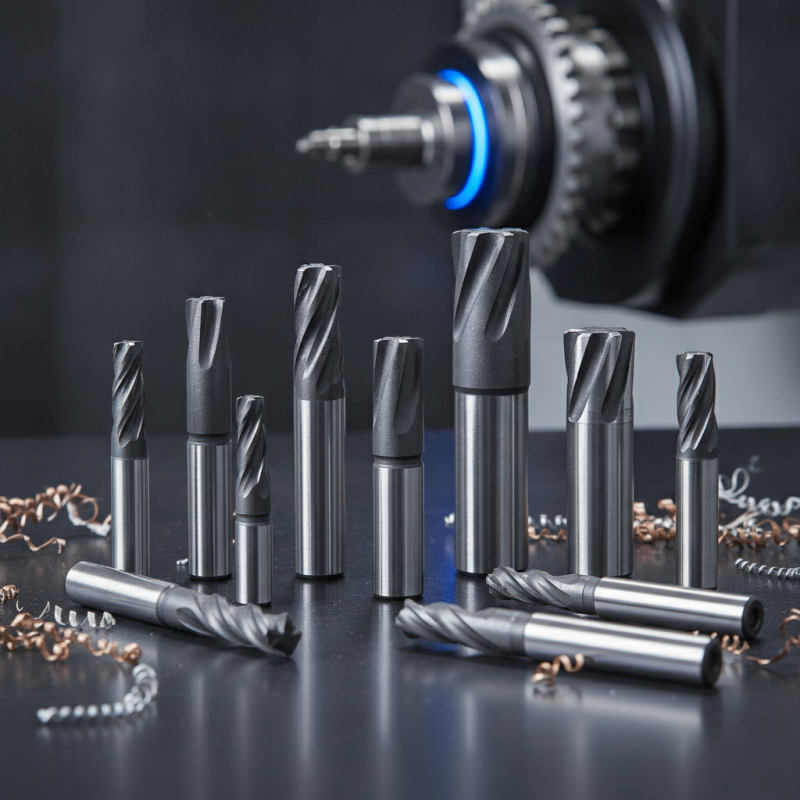
Tungsten carbide cutting tools are essential in various manufacturing sectors. These tools are known for their hardiness and precision. They provide superior performance in cutting, shaping, and drilling materials. Many industries rely on their efficiency. Their sharpness can last longer than traditional options. This quality reduces the need for frequent replacements. Buyers increasingly prefer these tools for heavy-duty applications.
Several global leaders are driving innovations in this market. They invest in technology to enhance the durability of their products. Advances in coatings often improve resistance to wear and tear. Nevertheless, challenges remain in maintaining cost-effectiveness. Some manufacturers struggle to balance quality with affordability. As the market evolves, continuous research is essential.
The demand for tungsten carbide tools may fluctuate due to economic factors. Buyers often seek reliable suppliers who understand the market intricacies. Strong relationships can provide insights into upcoming product trends. Quality assurance remains paramount in selecting cutting tools. Global buyers aim for tools that enhance productivity and reduce downtime.
The demand for tungsten carbide cutting tools is on the rise. Various industries depend on these tools for their durability and precision. A recent market analysis predicted that the global tungsten carbide tools market will grow at a CAGR of 5.8% from 2023 to 2030. This growth is largely driven by the booming manufacturing and automotive sectors. Increased production of machine parts requires reliable cutting tools that can withstand significant wear and tear.
Moreover, advanced manufacturing processes, such as CNC machining, are now commonplace. These techniques require tools that maintain sharpness under high-speed conditions. Tungsten carbide tools excel in this area, providing consistent performance over extended periods. The aerospace and construction industries also contribute to this demand. An increase in infrastructure projects globally is further fueling the need for efficient cutting solutions.
However, challenges exist. The rising cost of raw materials, including cobalt and nickel, may impact tool pricing. Manufacturers are urged to focus on sustainable sourcing. Additionally, the market faces competition from alternative materials that claim similar performance. As the industry evolves, staying updated on technology advancements and market trends is crucial for stakeholders.
| Tool Type | Application | Diameter (mm) | Length (mm) | Coating Type | Price Range (USD) |
|---|---|---|---|---|---|
| Milling Cutter | Metalworking | 10 | 50 | TiAlN | $35 - $150 |
| Drill Bit | Construction | 8 | 100 | TiN | $20 - $80 |
| Tool Holder | Machining | 12 | 75 | None | $25 - $100 |
| Boring Bar | Precision Engineering | 16 | 120 | CVD | $40 - $200 |
| End Mill | Machining | 8 | 50 | TiCN | $30 - $120 |
| Reamer | Finishing | 10 | 60 | TiAlN | $50 - $300 |
| Taps | Threading | 6 | 40 | ZrN | $15 - $70 |
| Insert | Turning | Various | Various | PVD | $5 - $25 |
| Cutting Blade | Woodworking | 20 | 200 | HSS | $30 - $150 |
| Grooving Tool | Precision Machining | 10 | 80 | TiN | $40 - $100 |
Tungsten carbide cutting tools have gained immense popularity across various industries due to their durability and precision. These tools typically achieve hardness values of up to 90 HRA, providing superior wear resistance compared to traditional materials. A comparative analysis reveals that tungsten carbide performs effectively in metal machining, wood processing, and stone cutting applications. In machining stainless steel, for instance, tungsten carbide tools can endure cutting speeds of up to 200 meters per minute.
However, not all tungsten carbide tools are created equal. Performance can vary significantly based on geometry, coating, and application. According to a recent study by the International Tooling Association, incorrect tool selection can lead to a decrease in efficiency by nearly 30%. This highlights the importance of understanding the specific requirements of each task. It’s crucial to consider factors such as chip removal, heat generation, and tool life in various conditions.
Some industries report challenges with tool chipping when used in high-speed environments. While tungsten carbide is renowned for its toughness, under certain circumstances, it can be susceptible to mechanical failures. Operators must be proactive in selecting tools that match their specific production processes to avoid pitfalls. The right combination of tool specifications can significantly enhance operational effectiveness, but awareness and due diligence in the selection process are essential.
Tungsten carbide cutting tools are seeing rapid innovations, significantly impacting industries worldwide. Recent data indicates that the global tungsten carbide tools market is expected to reach $30 billion by 2026, driven by increasing demand in manufacturing sectors. This growth highlights how essential these tools are for precision cutting, reducing production time, and enhancing overall efficiency.
One trend in the manufacturing of tungsten carbide tools is the integration of advanced technologies like nanotechnology. By manipulating materials at the nanoscale, manufacturers can enhance tool hardness and wear resistance. This innovation not only improves tool lifespan but also boosts performance under extreme conditions. Industry reports suggest that tools infused with nanomaterials can outperform conventional options by 30% in some applications.
Despite these advancements, challenges exist. The complexity of manufacturing processes can lead to inconsistencies in quality. Additionally, cost factors may hinder smaller manufacturers from adopting new technologies. According to a recent study, about 40% of manufacturers face budget constraints that limit access to high-quality tungsten carbide tools. This highlights the need for ongoing research and development, ensuring technological benefits are accessible to all players in the market.
The global market for tungsten carbide cutting tools has seen significant shifts recently. Prices can vary widely based on factors like supplier location, material quality, and production methods. In many regions, a focus on sustainability and innovative manufacturing processes has affected tool pricing. Buyers must consider these elements to make informed purchasing decisions.
Availability of these tools also fluctuates, given global supply chain challenges. Delays in raw material supply can impact tool delivery timelines, forcing buyers to seek alternatives. Some regions experience shortages, while others report an oversupply. It's crucial for buyers to research and establish reliable local suppliers who understand these market dynamics. Engaging in direct communication can lead to better insights regarding tool performance and availability.
Potential buyers should be aware of the quality variations in tools available worldwide. While some tools might promise high performance, in practice, they may fall short. Thoroughly exploring reviews and seeking expert advice can help mitigate risks associated with quality. As the market continues to evolve, staying informed about these trends is essential.
: They are known for their hardiness, precision, and superior performance in cutting, shaping, and drilling materials.
They offer durability and maintain sharpness longer than traditional tools, reducing replacement frequency.
Demand is rising, particularly due to growth in manufacturing and automotive sectors.
Pricing varies based on supplier location, material quality, and production methods.
Techniques like CNC machining require tools that maintain sharpness under high-speed conditions, where tungsten carbide excels.
Rising raw material costs and competition from alternative materials pose challenges to manufacturers.
Research reviews and seek expert advice to mitigate risks associated with quality variations.
Reliable suppliers provide insights on market dynamics and tool availability, crucial for making informed purchasing decisions.
Availability can vary due to global supply chain challenges, affecting delivery timelines and leading to shortages in some regions.
Staying updated on technology advancements and market trends is vital for adapting to changes in the industry.
The article titled "Top 10 Tungsten Carbide Cutting Tools for Global Buyers" provides a comprehensive overview of the leading tungsten carbide cutting tools in the global market. It explores key factors driving the demand for tungsten carbide tools, including their superior durability and performance in various industrial applications. A comparative analysis highlights how these cutting tools outperform alternatives, making them essential for precision machining.
Additionally, the article discusses current industry trends, focusing on innovations in manufacturing processes that enhance the efficiency and effectiveness of tungsten carbide cutting tools. Market insights regarding pricing and availability shed light on the competitive dynamics affecting global buyers, ensuring they are well-informed when making purchasing decisions. Overall, the article serves as a valuable resource for understanding the significance and advancements in tungsten carbide cutting tools.

N&D Carbide