Choosing a Ball Burr manufacturer is more complex than comparing catalog prices. Global buyers need verified quality, stable supply, and technical support.
Industry reports show why this market deserves careful evaluation. Grand View Research identifies automotive, aerospace, and general manufacturing as major users of machine tools. MarketsandMarkets also reports continuing demand for metal-cutting tools as factories adopt automation and higher-precision production. These trends increase the need for burrs that maintain shape, cutting performance, and dimensional consistency. A small tool can influence an entire finishing process.
This guide presents ten Ball Burr manufacturers serving international buyers. The selection considers carbide grade, flute geometry, coating options, size availability, quality systems, export experience, and customization capability. ISO 9001 certification can support process reliability, but it cannot replace sample testing or supplier audits. That distinction matters.
Performance is visible at the workbench. A properly made ball burr should cut cleanly through a tight fillet without excessive vibration. Its teeth should remain defined after repeated passes. Packaging also matters. Sealed tubes, clear size markings, and batch traceability reduce avoidable purchasing errors.
No ranking is perfectly universal. A large manufacturer may offer stronger capacity, while a smaller specialist may provide faster customization. Buyers should compare test results, not marketing language alone. This review combines industry research, manufacturing considerations, and practical sourcing experience to help procurement teams make a more defensible decision. Some data remains difficult to compare across regions, and that limitation deserves honest attention.
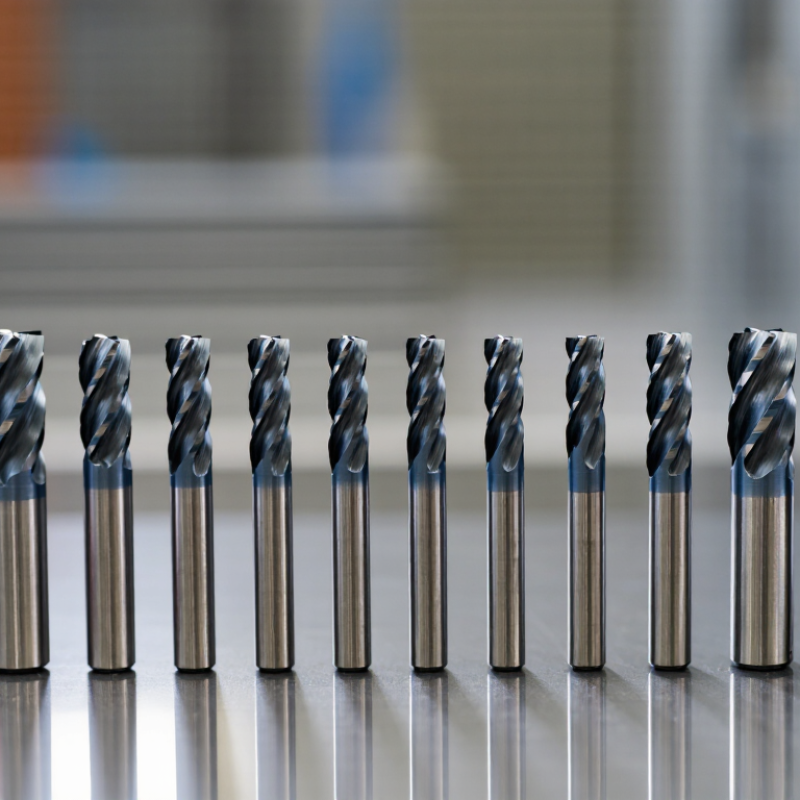
Ball burrs are rotary cutting tools used for controlled material removal, deburring, slotting, and sculpting. Their shape matters. A spherical head reaches curved cavities, while an oval head blends edges and removes material more smoothly. Tree, flame, and cylinder profiles suit different channels and shoulders.
The cut pattern also changes handling. Single-cut burrs produce cleaner chips and better control on softer metals. Double-cut versions remove stock faster, but they can vibrate in thin sections. For stainless steel, hardened steel, and cast iron, carbide is commonly selected for its hardness and heat resistance. High-speed steel may cost less, yet it usually wears faster under heavy pressure.
A 6 mm shank is widely used with compact die grinders and flexible shafts. Check the collet size carefully. A loose fit is dangerous and ruins accuracy. The shank does not define the head diameter; a 6 mm shank can carry several burr sizes. According to the U.S. Geological Survey’s Mineral Commodity Summaries 2024, global tungsten mine production reached approximately 84,000 metric tons in 2023. That supply supports carbide tooling, although carbide performance depends on grade, bonding, and manufacturing quality. The European Cutting Tools Association emphasizes tool geometry, runout, and cutting conditions as key performance factors. In practice, operators often choose too much pressure. That shortens tool life. Slower feed, firm support, and frequent inspection usually work better.
Selecting among the top 10 ball burr manufacturers requires more than comparing catalog prices. Carbide grade is a practical starting point. Fine-grain tungsten carbide usually supports cleaner cutting edges and better wear resistance. However, binder content also matters during vibration-heavy machining. A supplier should identify the grade clearly, not simply describe it as “premium carbide.” Ask for batch records, material certificates, and test methods.
A stated hardness of 90–92 HRA can indicate suitable carbide performance, but the number needs context. Confirm whether it applies to the finished burr or only the raw blank. Check hardness testing standards, sampling frequency, and calibration records. ISO 9001 certification adds value when it connects to real controls, including traceability, dimensional inspection, brazing checks, and corrective actions. Runout deserves attention too. A burr with excellent hardness may still cut poorly if its shank is misaligned.
Tips: Request a recent inspection report before placing a large order. Compare edge geometry, flute consistency, and surface finish under magnification. Test a small batch on the intended material. Record cutting speed, feed rate, and tool life. Be cautious with perfect claims. In practice, hardness data can look impressive while chip evacuation remains weak. My evaluation would also include packaging, replacement handling, and response time. These details seem minor, but they often reveal whether quality assurance works beyond paperwork.
Manufacturer evaluation reference: carbide grade suitability, the specified 90–92 HRA hardness target, and ISO 9001 quality-assurance verification.
A useful global ranking needs more than online visibility. It should measure production capacity, export reach, minimum order quantity, lead time, and pricing consistency. Capacity matters when buyers need thousands of ball burrs each month. Review machine numbers, monthly output, inspection staff, and backup production lines. A polished factory tour is not enough.
Export markets reveal practical experience. Manufacturers serving several regions usually understand packaging, documentation, and delivery risks. However, market count can mislead. A supplier shipping small batches to many countries may have less experience than one serving three major markets. MOQ also affects the ranking. Flexible suppliers support testing, while low MOQs may increase unit costs. Ask whether samples come from regular production.
Lead time should include production, inspection, and dispatch. A quoted seven-day schedule may exclude material preparation. Pricing deserves equal attention. Compare quotations using the same size, material grade, coating, packaging, and trade terms. Very low prices often hide thinner margins or weaker inspection. Request recent production photos and batch records.
The top ten should balance scale with reliability. Large capacity is useful, but not always necessary. Small buyers may value a 100-piece MOQ more than a large factory. I would also score response speed and complaint handling. These details are less visible, yet they shape real purchasing costs. No ranking is permanent. Shipping conditions, raw material prices, and factory workloads can change it quickly.
A useful Top 10 list should compare more than cutting performance. Leading ball burr manufacturers usually offer carbide, high-speed steel, and coated options. Their ranges may include different diameters, shank sizes, tooth patterns, and head profiles. This variety supports work on aluminum, steel, wood, plastics, and composite materials.
Buyers should check edge geometry carefully. A burr designed for soft aluminum may clog on hardened steel.
Certifications provide another practical filter. Many established manufacturers operate under ISO 9001 quality systems, while specific products may carry regional conformity documents. However, certification claims can be unclear.
Ask for current certificates, inspection records, material specifications, and batch traceability. Experienced suppliers also explain tolerances, hardness ranges, surface coatings, and recommended speeds. Regional reach matters equally. Review local stock, distributor coverage, export experience, technical support, and replacement policies. A supplier with strong factories but slow regional service may create costly delays.
Tips: Request samples before placing a large order. Test burr life, vibration, finish quality, and heat buildup on your actual material. Compare results under identical speeds and pressure. Do not rely only on catalog photographs. They can hide small but important differences. A ranking is never perfect. Application conditions change the result. Reliable manufacturers welcome technical questions and provide usable documentation, not vague promises.
When comparing ball burr manufacturers, do not trust catalog photos alone. In production trials, I measure runout at the shank with a dial indicator. A bright tool can still cut unevenly. Ask for recorded tolerance, measurement method, and sample inspection data. Test several pieces, not one. Small deviations become visible as chatter, heat, and rough edges. Keep the test material, speed, feed, and holder consistent. That record makes supplier claims easier to verify. Some buyers skip this step. I once did too, and the first batch exposed the mistake.
Coating life needs practical evidence, not a generous cycle estimate. Request test conditions, workpiece material, cutting parameters, and failure criteria. Compare edge wear under your own workload. A coating may last well in a laboratory, then fade quickly against abrasive stock. Check whether the supplier explains usable life in hours, parts, or meters. Those units are not interchangeable. Ask how rejected tools are handled. Clear answers suggest process control, although they are not proof.
Safety Data Sheets should match the delivered product and current composition. Review handling, storage, dust, and disposal guidance with your safety team. Translation quality matters when operators work across languages. After-sales support should include a named contact, response times, replacement rules, and technical troubleshooting. Request a small pilot order before committing to volume. I prefer suppliers who share limitations openly. No manufacturer gets every prediction right, so document failures and challenge assumptions during regular reviews.
A ball burr removes material, deburs edges, opens curved cavities, and supports controlled sculpting. It works well inside rounded recesses.
A spherical head reaches curved cavities. An oval head blends edges smoothly. Tree, flame, and cylinder shapes fit channels or shoulders.
Single-cut burrs create cleaner chips and offer better control on softer metals. Double-cut burrs remove stock faster but may vibrate in thin sections.
Carbide commonly suits stainless steel, hardened steel, and cast iron. It handles heat and wear better under demanding conditions.
No. High-speed steel may cost less and work for lighter tasks. Under heavy pressure, it usually wears faster. That trade-off matters.
A 6 mm shank fits many compact die grinders and flexible shafts. It does not define the burr head diameter.
Match the collet carefully. A loose fit can cause vibration, poor accuracy, and damage. Use firm support and inspect the tool often.
Review material options, tooth patterns, tolerances, certificates, batch records, local stock, and replacement policies. Documentation should be specific.
Test burr life, vibration, surface finish, and heat buildup on the actual material. Compare identical speeds and pressure. Catalog photos can mislead.
Excessive pressure is a common mistake. Slower feed, stable support, and regular inspection usually help. Still, results vary by material and geometry.
This guide presents a practical framework for selecting the right Ball Burr manufacturer for global purchasing needs. It explains essential fundamentals, including ball-shaped profiles, cutting patterns, carbide materials, and the widely used 6 mm shank size. Buyers will also learn how to assess carbide grades, approximately 90–92 HRA hardness, production consistency, and ISO 9001 quality systems. The comparison focuses on manufacturing capacity, export experience, minimum order quantities, lead times, and pricing transparency.
The ranking section evaluates ten manufacturer types by product range, certifications, regional coverage, and supply reliability, without promoting specific brands. It also provides a due-diligence checklist covering dimensional accuracy, runout control, coating durability, safety documentation, packaging, and after-sales support. By combining technical specifications with commercial and service factors, buyers can make more informed decisions, reduce quality risks, and select a Ball Burr supplier suited to their application, order volume, and international procurement requirements.

N&D Carbide