Choosing the right Cylinder Burr can influence cutting speed, surface finish, tool life, and operator control. This guide examines ten common burr types for buyers comparing workshop and industrial options. Each type is assessed by tooth pattern, head diameter, shank size, material, and intended application. A coarse-cut burr may remove welds quickly, while a fine-cut version can leave a cleaner edge on aluminum or steel. Double-cut designs often provide smoother control, but they may load differently in softer materials.
Practical selection requires more than reading a product title. Experienced technicians check the grinder’s rated speed, collet fit, and the burr’s maximum operating limits. Manufacturer specifications remain essential. A small sample test can reveal heat buildup, vibration, or unexpected clogging before full production begins. Safety glasses, secure workholding, and steady pressure also matter. Small details matter.
The ranking considers performance, consistency, availability, and value across realistic buying situations. It also recognizes that catalog descriptions are not always consistent between manufacturers. A “fine” cut from one supplier may feel noticeably more aggressive than another. That limitation deserves attention. No single Cylinder Burr serves every metal, machine, or finishing goal. Buyers should compare verified dimensions, cutting geometry, and user feedback before committing to bulk quantities. The following overview provides a practical starting point, not an unquestionable verdict.
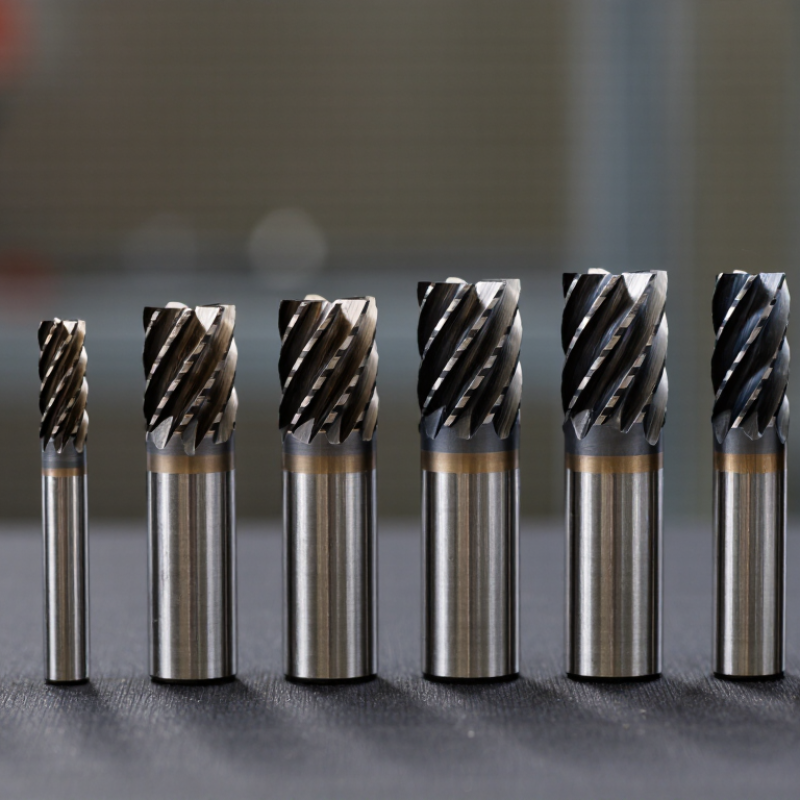
Cylinder burrs are rotary files with straight sides and a flat, rounded, or shaped end. Their geometry controls where material is removed. A standard flat-end cylinder reaches broad surfaces and creates clean shoulders. A cylinder with an end cut also cuts on its tip, making it useful for slots and recessed areas. Rounded-end versions follow curved transitions with fewer sharp marks. Ball-nose and radius-end forms suit blending work, although they remove less material near corners.
Flute design changes the cutting function. Single-cut flutes produce controlled chips and leave a smoother finish on harder metals. Double-cut flutes remove stock faster and reduce vibration during general shaping. Coarse flutes suit soft materials, but they can catch more aggressively. Fine flutes offer better control on thin edges and detailed surfaces. Aluminum-style, high-clearance flutes help prevent loading when cutting softer materials. Diamond-coated cylinder burrs work differently, using abrasive grains for hardened materials, glass, ceramics, and composites.
Buyers should match the burr to the workpiece, speed range, and desired finish. Check the shank size and keep the tool firmly aligned. Excess pressure can dull the edges quickly. In workshop testing, a double-cut burr often feels versatile, yet it may leave more visible lines than expected. That trade-off matters. Cutting direction, operator control, and coolant choice can also change the result. Product charts help, but real material tests remain necessary.
Cylinder burrs look similar, but their cutting behavior can differ sharply. The ten main types include plain-cut, single-cut, double-cut, coarse-cut, fine-cut, aluminum-cut, spiral-cut, reverse-cut, diamond-coated, and end-cut cylinders. A plain-cut burr has straight, widely spaced teeth for steady stock removal. Single-cut versions create long chips and suit softer materials. Double-cut burrs use crossing teeth, producing smaller chips and better control.
Coarse-cut cylinders remove material quickly, though they can leave deeper marks. Fine-cut types create smoother surfaces but work more slowly. Aluminum-cut burrs have larger, sharper flutes that resist clogging in soft metals. Spiral-cut designs offer a smoother action and often reduce vibration. Reverse-cut burrs direct chips differently, which can help in restricted spaces. Diamond-coated cylinders abrade hard, brittle materials rather than slice them. End-cut cylinders also cut on the tip, making shoulders and recessed areas easier to reach. The differences are practical, not cosmetic. I have seen buyers choose speed and later regret the rough finish.
Tips: Match the burr to the material, desired finish, and tool speed. Test a small area first. Keep light pressure and steady movement. Excess pressure may cause heat, clogging, or premature tooth wear. Check the shank diameter and cutting length before ordering. A longer burr is not automatically better; it may flex more. Also, “universal” performance is often overstated, so verify the manufacturer’s material guidance and inspect the cut after a few passes.
Straight-End Cylinder Burrs for Flat and Narrow Surfaces
Among the top 10 cylinder burr types, straight-end cylinder burrs are practical for flat faces, slots, and narrow edges. Their parallel sides remove material evenly across a controlled area. The square end can also reach tight corners, although it may leave sharper transitions. That detail matters during finishing work.
In workshop use, choose the burr diameter according to the surface width. A smaller burr gives better access inside narrow grooves, while a larger one cuts broad flats more efficiently. Match the cutting material to the workpiece, such as hardened steel, aluminum, or wood. Check the shank size too. Poor fit can create vibration, uneven marks, and premature wear. I have found that moderate pressure usually gives a cleaner result than forcing the tool. However, the ideal speed still depends on the material and cutter diameter. A neat pass is not always the fastest pass.
Tips: Keep both hands steady. Let the burr do the cutting. Use short passes and inspect the surface often. Clean packed debris from the teeth before continuing. Eye protection and suitable ventilation remain essential, especially when fine particles appear. If the end face starts burning the workpiece, reduce pressure and review the speed. This simple correction is easy to overlook.
| No. | Straight-End Cylinder Burr Type | End Geometry | Typical Cutting Diameter | Common Tooth Style | Recommended Materials | Best Applications | Key Buyer Consideration |
|---|---|---|---|---|---|---|---|
| 1 | Standard Straight-End Cylinder Burr | Flat end with parallel cylindrical sides | 3–16 mm | Single-cut or double-cut | Aluminum, mild steel, cast iron, brass, bronze | Flat-surface leveling, slot widening, edge preparation | The most versatile option; select double-cut teeth for better control and chip breaking. |
| 2 | Fine-Tooth Straight Cylinder Burr | Flat end with a fine flute pattern | 3–12 mm | Fine-cut, typically dentate or closely spaced flutes | Steel, stainless steel, brass, bronze, plastics | Smoothing, deburring, blending, and light finishing | Produces a finer finish but removes material more slowly than coarse-tooth designs. |
| 3 | Coarse-Tooth Straight Cylinder Burr | Flat end with widely spaced cutting flutes | 6–20 mm | Coarse-cut | Aluminum, magnesium, plastics, wood, soft non-ferrous metals | Rapid stock removal and large flat-area work | Offers high material removal and chip clearance, but leaves a rougher surface. |
| 4 | Double-Cut Straight Cylinder Burr | Flat end with intersecting flute rows | 3–16 mm | Cross-cut or double-cut | Carbon steel, stainless steel, cast iron, aluminum | General-purpose grinding, contour correction, and weld cleanup | Reduces vibration and clogging compared with many single-cut tools; use suitable speed and pressure. |
| 5 | Aluminum-Cut Straight Cylinder Burr | Flat end with large, high-clearance flutes | 6–16 mm | Large-chip, high-clearance cut | Aluminum, magnesium, copper, brass, and other soft alloys | Removing weld buildup and machining broad non-ferrous surfaces | Wide gullets help prevent loading; cutting lubricant may further reduce material buildup. |
| 6 | Stainless-Steel-Cut Straight Cylinder Burr | Flat end with reinforced cutting edges | 3–12 mm | Fine or double-cut, depending on stock-removal needs | Stainless steel, high-alloy steel, nickel-based alloys | Weld blending, edge correction, and localized surface preparation | Avoid excessive pressure and heat buildup because work-hardening alloys can become more difficult to cut. |
| 7 | Long-Reach Straight Cylinder Burr | Standard flat end on an extended shank | 3–10 mm | Single-cut or double-cut | Steel, cast iron, aluminum, and other machinable metals | Deep slots, recessed areas, narrow channels, and internal flat surfaces | Provides access to confined areas, but requires lower side load and careful control to limit shank deflection. |
| 8 | Miniature Straight Cylinder Burr | Small flat end with compact cylindrical body | 0.5–3 mm | Fine-cut or micro double-cut | Tool steel, brass, aluminum, plastics, and small castings | Precision deburring, small slots, instrument parts, and detailed repairs | Use a compatible collet and controlled feed; small diameters are more sensitive to breakage and overspeed. |
| 9 | Carbide Straight Cylinder Burr | Flat cylindrical head manufactured from carbide | 2–16 mm | Fine, double, or coarse cut | Hard steels, cast iron, stainless steel, titanium, aluminum | High-speed stock removal and demanding industrial maintenance work | Maintains cutting performance at higher temperatures, but is more brittle and sensitive to impact. |
| 10 | Coated Straight Cylinder Burr | Flat end with a wear-resistant surface coating | 3–12 mm | Double-cut or fine-cut | Abrasive steels, stainless steel, cast iron, and difficult alloys | Extended production runs, abrasive materials, and reduced tool-change applications | Coatings can improve wear resistance, but performance depends on substrate, coating type, workpiece material, and operating speed. |
Buyer’s note: Dimensions shown are typical purchasing ranges rather than universal standards. Confirm shank diameter, maximum permissible speed, tooth configuration, material grade, and machine compatibility with the tool specification before use.
Rounded-end and specialty cylinder burrs are valuable for contoured work. Their curved tips reach transitions without creating sharp gouges. They work well on molds, castings, weld blends, and curved edges. A practical buyer’s shortlist includes plain cylinder, end-cut cylinder, rounded-end cylinder, double-cut, fine-cut, aluminum-cut, stainless-focused, miniature, long-shank, and coated abrasive burrs. Each type changes material removal, surface finish, and control.
Rounded-end burrs are especially useful when a flat end feels too aggressive. The radius follows a concave surface more naturally. Use light pressure and steady passes. Excess force can flatten the contour or leave visible chatter. Specialty cuts also deserve careful selection. Coarse teeth remove stock quickly, while fine teeth produce a cleaner finish. However, “cleaner” does not always mean faster. I have found that material hardness, burr diameter, and tool speed often matter more than the label.
Tips: Match the burr to the material first. Keep the tool moving. Test on scrap before shaping the final surface. For narrow curves, choose a smaller diameter and inspect the edge frequently. A long shank improves reach, but it may increase vibration. That tradeoff is easy to overlook. Wear suitable eye and respiratory protection, secure the workpiece, and follow the tool maker’s speed guidance. No single burr is best for every contour. Sometimes, a slower cut gives the more reliable result.
What Are the Top 10 Cylinder Burr Types for Buyers?
Buyers should compare profiles before chasing price. The ten most useful choices include cylindrical, cylindrical-end-cut, ball, oval, tree, pointed-tree, flame, inverted-cone, cone, and round-nose burrs. Cylindrical profiles remove flat stock quickly, while ball and oval shapes reach internal curves. Tree and flame burrs suit narrow channels. Inverted cones open shoulders and grooves. A round-nose design leaves smoother transitions, but it can load faster on soft metals.
Material changes cutting behavior. Tungsten-carbide burrs suit steel, cast iron, stainless steel, and hardened sections. High-speed steel costs less, yet it usually loses edge strength sooner. The U.S. Geological Survey reported approximately 81,000 metric tons of global tungsten mine production in 2023. That figure matters because carbide supply is not unlimited. Choose aluminum-cut geometry for aluminum and other gummy alloys. Use double-cut patterns for controlled stock removal. Fine cuts produce cleaner surfaces but remove metal more slowly.
Size must match access, power, and operator control. Common head diameters range from 3 to 16 millimeters. Small heads fit die-grinder details; large heads remove material faster but demand steadier handling. Titanium-based coatings can improve heat and wear resistance, although coating benefits depend on speed and lubrication. ISO 7755-1 provides dimensional and safety guidance for rotary files. A neat catalog comparison is not enough. I still prefer a short trial on actual scrap. Coating claims can disappoint when speed, pressure, or material choice is wrong.
Compare common cylindrical burr configurations by material compatibility, typical size range, coating or cut style, and practical buyer-fit score.
The buyer-fit index is a comparative guide based on common tool characteristics, cutting behavior, durability, and application range. Actual performance depends on burr diameter, shank size, RPM, workpiece hardness, feed rate, and operating conditions.
A cylinder burr removes material from broad, flat surfaces. Its straight sides can create clean shoulders. A flat end works well on open areas. Use steady movement. Do not force it.
An end-cut cylinder burr cuts with its tip and sides. It suits slots, recessed areas, and narrow shoulders. The tip needs careful control. Excess pressure may cause uneven marks.
Choose a rounded-end burr for curved transitions, weld blends, and molded surfaces. Its radius follows concave areas more naturally. It can reduce sharp gouges. Light passes work best.
Single-cut flutes create controlled chips and smoother finishes on harder metals. Double-cut flutes remove stock faster and often reduce vibration. However, double-cut patterns may leave visible lines. That tradeoff is easy to miss.
Coarse flutes remove soft material quickly but may catch aggressively. High-clearance flutes help reduce loading on gummy alloys. Fine flutes offer better control on thin edges. The label is not always reliable.
Smaller ball, oval, tree, or flame profiles can reach narrow curves and internal transitions. A pointed shape enters channels more easily. A long shank improves reach but may increase vibration. Check the edge often.
Hard carbide construction suits steel, cast iron, stainless steel, and hardened sections. High-speed steel may cost less but lose its edge sooner. Wear-resistant coatings can help with heat. Their benefits depend on speed, pressure, and lubrication.
Common head diameters range from about 3 to 16 millimeters. Small heads suit detailed work and limited access. Large heads remove material faster but need steadier handling. Keep the burr aligned. Test on scrap first.
Secure the workpiece before cutting. Wear suitable eye and respiratory protection. Follow the recommended speed range. Keep the tool moving during contact. I sometimes underestimate vibration, and that mistake can damage the surface.
Choosing the right Cylinder Burr begins with understanding its basic structure, including the body shape, flute pattern, and cutting function. This guide explains how the ten main cylinder burr types differ in performance and purpose. Straight-end cylinder burrs are well suited to flat surfaces, slots, edges, and narrow areas where controlled material removal is important. Rounded-end and other specialty designs provide smoother access to curved surfaces, contours, grooves, and detailed shaping tasks.
For buyers, selecting a Cylinder Burr requires more than comparing appearance. Material affects durability and cutting efficiency, while diameter, length, and tooth configuration influence access, control, and removal speed. Coatings may improve wear resistance or heat management in demanding applications, but they should match the intended workload. By comparing burr geometry, size, material, coating, and application requirements together, buyers can choose a practical option that delivers consistent results, better control, and longer service life across different machining and finishing tasks.

N&D Carbide