Choosing the right Tungsten Carbide Drill is vital for achieving precise results in various applications. With numerous options available, understanding the qualities of these drills can be overwhelming. A Tungsten Carbide Drill is renowned for its durability and efficiency. These drills resist wear and maintain sharpness longer than traditional steel drills. However, not all Tungsten Carbide Drills are created equal.
Expert knowledge is essential when selecting the right drill. Factors like diameter, coating, and intended use play significant roles. The right selection can enhance your productivity and reduce costs. Yet, consumers often overlook the specific needs of their projects. They may rush into choices without fully understanding their options. This can lead to inefficiencies or even damage to materials.
Evaluating various brands and their reputations is crucial. Not all manufacturers provide the same level of quality and consistency. Relying on well-reviewed products can guide better decision-making. Understanding your unique requirements will also help refine your search. Through careful consideration, users can find the optimal Tungsten Carbide Drill for their tasks. Each drill has its strengths and weaknesses, making informed choices essential for success.
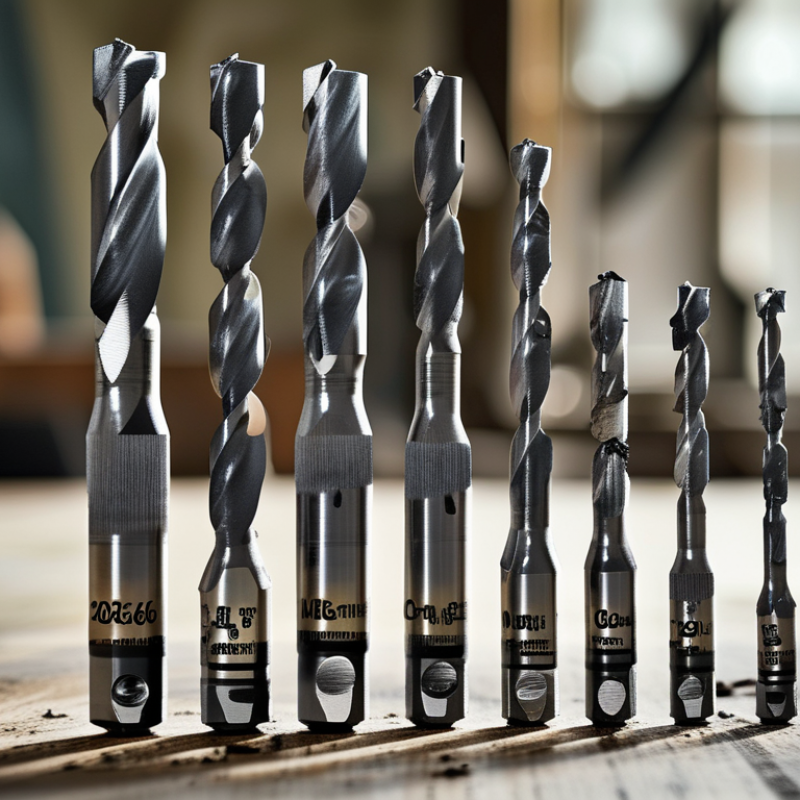
Tungsten carbide is renowned for its exceptional hardness and wear resistance. This material is created by combining tungsten with carbon. The result is a product that can withstand high levels of stress and heat. It is commonly used in drilling applications due to its durability and reliability. When choosing a drill, understanding these properties is vital.
The benefits of tungsten carbide are significant. It offers longevity, meaning reduced replacement costs over time. Its sharpness allows for precise cuts in various materials. However, not all tungsten carbide drills are equal. Factors like the drill's geometry and coating can influence performance. Those details deserve consideration when selecting the right tool. Sometimes, a drill that seems perfect for one application may not work well in another.
Reflecting on experiences can guide your choice. Have you considered how often you will use the drill? The material you plan to work with also matters. Mistakes in selection can lead to frustration and inefficiency. Therefore, take time to evaluate the specific requirements of your projects. This thoughtful approach will enhance your drilling effectiveness and overall satisfaction.
This chart illustrates the key properties of tungsten carbide drills that should be considered when making a selection for various applications. The data reflects hardness, toughness, wear resistance, heat resistance, and cost effectiveness to help users evaluate their options.
When selecting tungsten carbide drills, it's essential to understand the different types available. Each type serves a unique purpose. For example, some drills are designed for soft materials, while others specialize in harder substances. Knowing which type to choose can impact your project's success.
Tips for selecting the right drill: Consider the material you'll be drilling. Different drills have varying geometries and coatings that enhance their performance on specific materials. Some are effective for metal, while others perform well on wood or plastic. Assess your needs carefully.
Drills come in various shapes and sizes. For precision tasks, micro drills are ideal. They deliver accuracy in tight spaces. However, they require a steady hand and experience to use effectively. It’s crucial to recognize your skill level before diving in.
Mistakes can happen. Using the wrong drill may cause damage. Learning the basics of each type empowers you. Take the time to research and understand their functions. This knowledge fosters better decision-making and enhances overall project quality. Always remember, the right tool makes a difference.
Choosing the right tungsten carbide drill is crucial for achieving optimal performance in your drilling tasks. Several factors play a key role in making an informed decision. Firstly, consider the drill's diameter. Industry data suggests that most professionals prefer ranges from 1mm to 20mm, depending on the application. A larger diameter can offer faster drilling but may compromise precision.
Another significant factor is the coating of the drill. Reports have illustrated that uncoated tungsten carbide drills typically last about 25% less than those with special coatings. Coatings such as titanium nitride can enhance tool life and reduce friction. This means they may be more reliable in high-speed applications.
The geometry of the drill bit also warrants attention. A drill with a specific flute design can handle difficult materials better. In some cases, drills with lower helix angles tend to be more stable in softer materials. However, they may struggle with harder materials. It's essential to weigh these design aspects based on your specific drilling needs. Each choice can lead to different outcomes, and reflection on past experiences can provide better insights into future selections.
When choosing the right tungsten carbide drill, application-specific considerations play a crucial role. Tungsten carbide is renowned for its hardness and durability, making it ideal for precise drilling in hard materials like metal and stone. According to industry reports, 70% of engineers believe that selecting the correct drill type impacts the efficiency and lifecycle of a project significantly.
Different applications demand different features. For instance, a drill designed for metal will require aggressive cutting edges, while one for stone might necessitate a design that provides stability under high temperatures. Misjudging these factors can lead to reduced performance. Reports indicate that improper drill selection can cause a 30% increase in project delays due to equipment failure.
Tip: Always consider the material thickness and hardness before selecting a drill. This data will guide your choice effectively. Another important aspect is the drill's coating. Coated drills often exhibit better resistance to wear. However, the coating might not be suitable for all applications, leading to potential performance issues. It’s essential to weigh the pros and cons carefully. Reflecting on past experiences can provide insight into optimal drill selection for future projects.
| Application | Drill Type | Diameter (mm) | Speed (RPM) | Material Compatibility |
|---|---|---|---|---|
| Metalworking | Solid Carbide | 6 | 3000 | Aluminum, Steel |
| Woodworking | Tipped Carbide | 12 | 3500 | Softwoods, Hardwoods |
| Masonry | Twist Drill | 10 | 1500 | Concrete, Brick |
| Plastics | Specialty Drill | 8 | 2000 | PVC, Acrylic |
| Composites | Reinforced Drill | 5 | 2800 | Carbon Fiber, Fiberglass |
When using tungsten carbide drills, proper maintenance is crucial for maximizing their lifespan. Reports indicate that well-maintained drills can last up to three times longer than those that are neglected. Regular cleaning is essential; even a small accumulation of debris can impede performance. Use a soft brush to remove any buildup after each use. Additionally, inspect the drill bits for wear and damage. Early detection of issues can prevent significant problems later.
Lubrication is another key factor in extending drill life. Many professionals recommend using specific lubricants designed for metalworking to reduce friction during operation. Proper lubrication can decrease heat buildup, which is critical in preserving drill integrity. Remember that overheating can lead to premature failure.
Storage also impacts longevity. Store drills in a dry, controlled environment to prevent rust. Cover them with protective caps when not in use. This simple step can protect sharp edges and maintain precision. Neglecting these practices can lead to costly replacements sooner than expected. Therefore, taking the time to establish a robust maintenance routine is vital for all users of tungsten carbide drills.
: Tungsten carbide is a material made from tungsten and carbon, known for its hardness and wear resistance.
It withstands high stress and heat, offering durability and reliability in drilling applications.
Its properties reduce replacement costs over time, making it a cost-effective choice for tools.
Drill geometry and coating can significantly influence performance and effectiveness for specific materials.
Consider the materials you will drill, as different drills perform better on various substances.
The diameter impacts drilling speed and precision, with common sizes ranging from 1mm to 20mm.
Coatings like titanium nitride can improve tool life and reduce friction, especially in high-speed scenarios.
Yes, using the wrong drill can cause damage. Understanding each type's function is crucial to prevent issues.
Micro drills are ideal for accuracy but require experience. Assess your skill level before using them.
Beginners may find some drills challenging, highlighting the need to match tools to skill levels for better outcomes.
In the article "2026 How to Choose the Right Tungsten Carbide Drill?", we explore the essential aspects of tungsten carbide drills, known for their durability and efficiency. We start by understanding the properties and benefits of tungsten carbide, which offers superior hardness and wear resistance. The article then provides a comprehensive overview of various types of tungsten carbide drills, highlighting their specific applications.
When selecting a tungsten carbide drill, several factors must be considered, such as the material being drilled, the drilling environment, and the required precision. Additionally, application-specific considerations are crucial for achieving optimal performance in various industries. Finally, we offer maintenance tips to extend the lifespan of these powerful tools, ensuring that users can maximize their investment in tungsten carbide drills.

N&D Carbide