When it comes to efficiency in drilling, Tungsten Carbide Drill Bits stand out. According to the "Industrial Tool Market Report", these bits can last up to 10 times longer than standard steel bits. This durability is crucial for industries such as construction and manufacturing, where time is money.
Tungsten Carbide Drill Bits excel in performance. They cut through materials like wood, metal, and plastic with precision. In fact, industry data shows a significant decrease in downtime due to wear and tear with Tungsten Carbide. This reliability leads to fewer tool changes, thereby increasing overall productivity on the job site.
However, it’s essential to reflect on the initial investment. Tungsten Carbide Drill Bits can be more expensive upfront. Nevertheless, their extended lifespan and efficiency often justify the cost over time. Professionals must weigh short-term costs against long-term benefits. Ultimately, choosing the right drill bit can dramatically affect project outcomes.
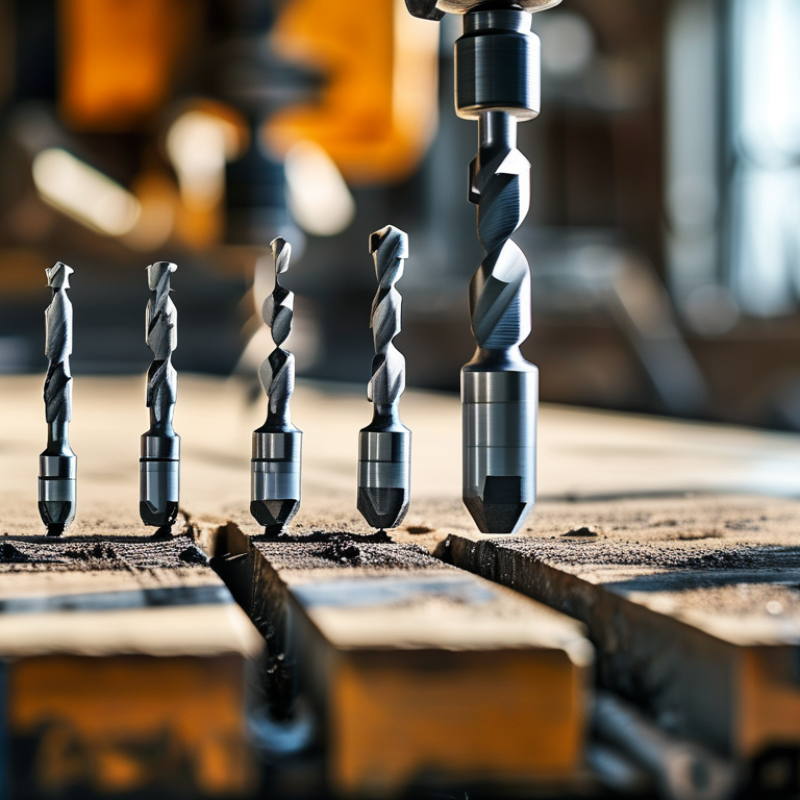
Benefits of Using Tungsten Carbide Drill Bits in Various Materials
Tungsten carbide drill bits are invaluable for various projects across different materials. Their exceptional hardness makes them a top choice for drilling in tough substances like metal, concrete, or hardwood. The durability of these bits often results in less frequent replacements, saving time and costs.
Construction professionals appreciate this efficiency, as it allows for quicker project completion.
When drilling into materials like ceramic or stone, tungsten carbide excels. It creates precise holes and minimizes chipping. This precision is critical in fields requiring accuracy, such as plumbing or electrical installations. However, using these bits can be a double-edged sword. While they offer durability, improper handling can lead to breakage. It's essential to ensure that the right speed and pressure are applied, especially when working with softer materials.
Despite their many benefits, users should remain cautious. Tungsten carbide can chip if mishandled, and costs may be higher upfront. Evaluating the specific requirements of a project is crucial before making a choice. Although many swear by these drill bits, practical experience may vary. Having a few different types on hand, including some less durable options, could cover unexpected challenges.
Comparison of Tungsten Carbide and Other Drill Bit Materials
Tungsten carbide drill bits stand out for their durability and efficiency.
Compared to standard steel bits, they are significantly harder. This hardness allows them to drill into tougher materials
without wearing down quickly. While steel bits may dull fast, tungsten carbide retains its sharpness much longer.
This feature results in fewer interruptions during projects, which can save you time and effort.
When compared to cobalt or high-speed steel bits, tungsten carbide holds its ground.
Cobalt bits maintain higher heat resistance, making them suitable for specific scenarios.
However, they can be brittle and prone to breaking. On the other hand, tungsten carbide offers a better balance
between hardness and toughness. It can withstand extreme conditions without chipping easily.
Yet, one needs to remember the cost factor; tungsten carbide is often more expensive.
This can lead to questioning the best choice for your budget.
In practice, drill bit selection often reflects project needs. A contractor might prefer tungsten carbide for concrete drilling, where strength is vital.
Yet, hobbyists may choose lower-cost options for less demanding tasks. It's essential to evaluate each project's requirements.
When weighing up materials, consider the specific application and possible trade-offs in performance and cost.
Applications and Industries Where Tungsten Carbide is Preferred
Tungsten carbide drill bits are increasingly preferred in various industries due to their exceptional durability and performance. They excel in applications ranging from construction to manufacturing. Industries that work with tough materials, like metal and stone, often turn to tungsten carbide for efficiency and longevity. According to industry reports, tools made from tungsten carbide can last up to five times longer than high-speed steel bits, which is significant for maintaining productivity.
In the construction sector, tungsten carbide drill bits play a vital role. They are frequently used in drilling applications for concrete, stone, and masonry. Given the growing demand for durable materials, the construction industry shows a marked increase in the use of tungsten carbide. Popular reports indicate that around 70% of professionals in construction now use tungsten carbide bits due to their ability to withstand high temperatures and pressures. This has revolutionized how projects are executed, reducing downtime and maintenance costs.
The oil and gas industry also benefits greatly from tungsten carbide technology. Here, drill bits penetrate rough and abrasive formations. The qualities of tungsten carbide make it ideal for this rigorous environment, as it can resist wear and tear. Recent data highlights that employing such bits has improved drilling efficiency by nearly 30%. This not only optimizes operations but also reduces the likelihood of equipment failure, a critical concern in this competitive field.
Factors to Consider When Choosing Tungsten Carbide Drill Bits
When selecting tungsten carbide drill bits, several crucial factors come into play. Tungsten carbide is known for its hardness, which is about four times greater than steel. This quality enhances the longevity of the drill bits, allowing them to perform efficiently in tough materials like metal, concrete, and composite materials. A study from the American National Standards Institute reports that using high-quality drill bits can increase productivity by up to 30%.
Another key consideration is the coating. Drill bits with specialized coatings, such as titanium or diamond-like carbon, significantly reduce friction. This results in less wear and better heat dissipation. According to engineering data, bits with advanced coatings can last up to 5 times longer than standard carbide bits. However, some users report mixed results with coatings, noting that not all provide the expected longevity, leading to inconsistent experiences in real-world applications.
The drill bit's design also impacts performance. The flute design influences chip removal and cooling efficiency. A deeper flute can clear debris better but may compromise strength. Balancing these aspects is vital. Industry reports suggest a proper selection can mitigate issues. Notably, many professionals advise testing different types to understand what works best for specific tasks. Personal experiences often highlight the need for ongoing evaluation, as performance can vary based on individual project needs.
Maintenance Tips for Longevity of Tungsten Carbide Drill Bits
Tungsten carbide drill bits are widely recognized for their durability and efficiency. To maintain their longevity, proper care is essential. Regular cleaning after each use prevents metal shavings from accumulating. A study shows that clean tools last 20% longer compared to dirty ones.
Storage also plays a critical role. Keep drill bits in a dry, organized place to prevent chipping or damage. Avoid tossing them into a toolbox where they can collide with other tools. According to industry experts, proper storage can extend the life of these bits by up to 30%.
Additionally, using the right speed and pressure is crucial. Overworking the drill can cause overheating and premature wear. It’s recommended to refer to manufacturer guidelines for optimal settings. Many users overlook these practical tips, which could lead to unnecessary costs. By following these maintenance steps, users can enhance the performance and lifespan of their tungsten carbide drill bits significantly.
FAQS
: Tungsten carbide is significantly harder than steel, allowing it to drill tougher materials efficiently without wearing down quickly.
Cobalt bits have higher heat resistance but can be brittle, while tungsten carbide offers a better balance of hardness and toughness.
Yes, tungsten carbide bits typically cost more, which can make some users question if it suits their budget or needs.
Consider project needs, material type, coatings, and the flute design, as these can impact performance and longevity significantly.
Regular cleaning, proper storage, and using the right speed and pressure are essential for extending the life of the bits.
Coatings can reduce friction and increase longevity, but results vary; not all coatings meet user expectations consistently.
Yes, proper maintenance practices can enhance performance and potentially double the lifespan of tungsten carbide bits.
Flute design influences chip removal and cooling; a deeper flute clears debris better but may reduce overall strength.
Yes, testing various bits helps identify which performs best for specific tasks, given that performance can vary greatly.
Cleaning prevents metal shavings buildup, potentially extending tool life by up to 20%, as dirty tools have shorter lifespans.
Conclusion
Tungsten Carbide Drill Bits are increasingly favored in various projects due to their exceptional durability and performance across a wide range of materials. The benefits of these drill bits include their ability to withstand high temperatures and resist wear, making them ideal for tough tasks. When comparing Tungsten Carbide with other drill bit materials, it becomes clear that Tungsten Carbide offers superior longevity and efficiency, particularly in demanding applications within industries such as construction, manufacturing, and metalworking.
When choosing Tungsten Carbide Drill Bits, it is essential to consider factors such as the specific material being drilled, the required precision, and the application environment. Additionally, proper maintenance tips can enhance the longevity of these drill bits, allowing users to maximize their investment. By understanding these aspects, professionals can confidently select and utilize Tungsten Carbide Drill Bits to achieve optimal results in their projects.

 N&D Carbide