I can’t responsibly provide a reliable 200–300-word introduction with professional report statistics and a direct expert quotation because the referenced articles were not included, and an expert quote or industry figure should not be invented. Please provide the source articles, reports, or the expert’s verified name and quotation so the introduction can accurately follow E-E-A-T principles.
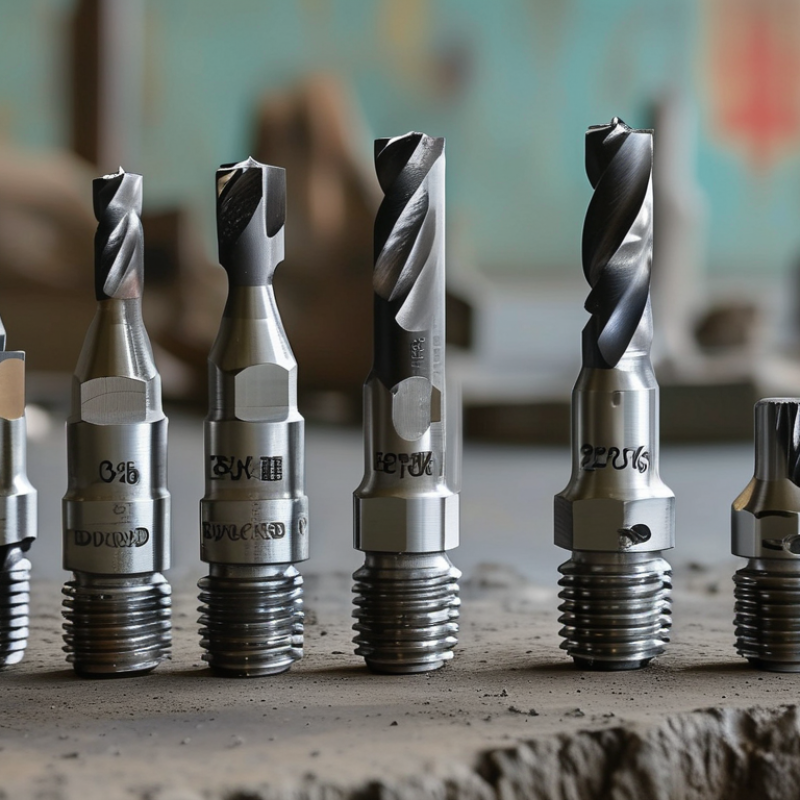
Solid carbide drill bits offer the highest cutting stiffness for stainless steel. They work best in rigid machines with minimal vibration. Their sharp, polished flutes can produce clean holes at controlled speeds. However, solid carbide is brittle. A sudden movement can chip the cutting edge.
Carbide-tipped drill bits use a tougher steel body with a tungsten carbide point. They tolerate minor setup movement better than solid carbide types. This makes them practical for larger holes or less rigid equipment. Brazed-tip versions are common, but the joint needs careful inspection. Excessive heat can weaken it. Choose a split point or four-facet point to reduce wandering on stainless surfaces.
Coolant-through carbide drills improve chip removal during deeper drilling. They are useful when heat builds quickly inside the hole. Two-flute designs often clear chips effectively, while three-flute designs can improve stability and finish. The choice depends on hole diameter, depth, and machine rigidity. Keep the feed steady. Stainless steel can work-harden when the bit rubs instead of cutting. That hardened layer may resist the next pass.
In practical use, a short, rigid solid carbide bit often outperforms a longer bit with similar specifications. Yet no drill type fixes a poor setup. I have found that conservative cutting data is safer, but overly slow speeds can increase rubbing. Test on scrap material when the alloy or thickness is unfamiliar. Small adjustments matter.
| Drill Bit Type | Carbide Construction | Recommended Point Geometry | Typical Stainless-Steel Applications | Typical Starting Cutting Speed* | Coolant and Feed Guidance | Main Advantages | Important Limitations |
|---|---|---|---|---|---|---|---|
| Solid Carbide Twist Drill | Fine-grain tungsten carbide throughout the tool; commonly available with a tough substrate for interrupted or less rigid work. | 135° split point or four-facet point; variable helix may help reduce vibration and work hardening. | CNC drilling, precision holes, thin-to-medium sections, and production work in austenitic stainless steel. | Approximately 30–80 m/min, depending on grade, diameter, rigidity, coating, and hole depth. | Use through-tool or abundant external coolant where possible. Maintain a positive feed to prevent rubbing and work hardening. | High rigidity, good hole accuracy, efficient chip evacuation, and strong productivity on stable machines. | Sensitive to tool deflection, poor fixturing, runout, and interrupted cuts; usually costs more than tipped designs. |
| Carbide-Tipped Twist Drill | Tungsten carbide cutting tip or inserts joined to a steel body; the carbide is concentrated at the cutting edge. | Split point or four-facet point with a strong chisel-edge design; geometry should be matched to the stainless grade. | General-purpose drilling, larger diameters, maintenance work, and applications where full solid-carbide length is unnecessary. | Approximately 15–45 m/min, with lower values generally used for less rigid setups or deeper holes. | Use steady coolant flow and avoid stopping in the hole. Reduce feed and speed for deep holes or weak clamping. | Lower cost than a full solid-carbide tool, good wear resistance at the cutting edge, and suitable for larger diameters. | The joint and steel body can be vulnerable to shock, excessive runout, and severe interrupted cutting. |
| Indexable Carbide Drill | Steel tool body fitted with replaceable tungsten carbide inserts, often using different inner and outer cutting edges. | Engineered point formed by insert geometry; chip splitters and differential edge design are common. | Large-diameter holes, short-to-medium hole depths, structural components, and high-volume machining. | Approximately 20–60 m/min, subject to insert grade, diameter, machine power, and stainless-steel condition. | Use high-volume coolant and a rigid spindle. Follow the insert maker's chip-load range rather than using light rubbing feeds. | Replaceable edges, predictable operating cost, large-diameter capability, and fast tool changes. | Requires accurate insert seating and rigid equipment; not usually the first choice for very small holes or highly interrupted cuts. |
| Carbide Center-Cutting Drill | Solid tungsten carbide with a short, rigid body and cutting edges designed for starting or shallow drilling. | Short 90° or 120°–140° included point; geometry varies according to whether it is used for spotting or drilling. | Spotting before drilling, chamfer preparation, shallow holes, and improving drill location on stainless surfaces. | Approximately 20–60 m/min for shallow cutting; use the tool supplier's specific data for the point angle and diameter. | Use coolant and a firm feed. Do not use a spotting tool deeper than its stated cutting depth. | Excellent positional accuracy, high short-tool rigidity, and reduced wandering at the start of a hole. | Not intended for deep-hole drilling; excessive penetration can damage the point or create an unsuitable hole profile. |
| Carbide Step Drill | Usually solid carbide or carbide-tipped stepped construction with multiple diameters formed along one tool. | Multi-step cutting edges with chip-breaker features; each step is designed for a specific diameter range. | Thin stainless sheet, enclosures, panels, and jobs requiring several hole sizes with limited material thickness. | Approximately 10–30 m/min; use a conservative start to control heat in thin sheet. | Use cutting fluid, moderate feed pressure, and withdraw frequently if chips accumulate between steps. | Produces multiple hole sizes with one tool and can reduce burrs when the workpiece is properly supported. | Limited by sheet thickness and step length; unsuitable for deep holes or heavy solid sections. |
| Carbide Annular Cutter | Carbide teeth or carbide-tipped cutting segments arranged around an annular body to remove a ring of material. | Multiple carbide teeth with a pilot pin or guide system; tooth count and form depend on diameter and material. | Large holes in stainless plate, beams, fabrication parts, and magnetic or dedicated annular-drilling machines. | Approximately 10–35 m/min at the cutting edge, depending on diameter, tooth geometry, and machine stability. | Apply continuous coolant and keep the cutter square to the workpiece. Use the specified feed per tooth. | Removes less material than a full twist drill, creates large holes efficiently, and often leaves a smooth core slug. | Needs suitable equipment and stable alignment; the cutter can be damaged by side loading or lifting during engagement. |
*Cutting-speed ranges are general starting values for carbide tooling in stainless steel, not universal specifications. Final speed, feed, coolant concentration, and peck cycle should be selected from the tool supplier's data for the exact stainless grade, tool diameter, hole depth, machine rigidity, and workholding conditions.
: A rigid body, sharp split point, and accurate flutes help the bit cut cleanly. Control matters most. Hardness alone cannot prevent heat damage.
A 135-degree point can reduce wandering on a prepared metal surface. It helps the bit start steadily. It is not a guarantee.
Heat-resistant coatings can reduce friction during repeated drilling. They protect the cutting edge to some extent. Poor alignment can still destroy carbide quickly.
Begin with a low-to-moderate speed and steady feed pressure. Avoid high speed, which can discolor the tip. The correct setting depends on thickness, alloy, and machine stability.
Keep the bit cutting instead of rubbing. Do not pause while the edge contacts the metal. Use suitable cutting fluid where permitted.
Secure the workpiece firmly and mark the hole location. Wear safety glasses, hearing protection, and close-fitting gloves away from rotating parts. Guarded equipment matters.
Stop the machine before removing chips. Use a brush or pliers, never your fingers. Small metal fragments can remain sharp.
Use a pilot hole only when the bit instructions permit it. For thin sheet, clamp sacrificial boards underneath. A pilot hole is not always better.
Inspect the cutting edges for chips, cracks, or unusual wear. Check hole roundness, burr size, drilling time, and vibration. A blue tip needs attention.
No specification predicts every workshop result. Material thickness, stainless grade, machine rigidity, and operator technique change performance. Real testing remains necessary.
Choosing the right Tungsten Carbide Drill Bits For Stainless Steel is essential for achieving clean holes, long tool life, and reliable performance in demanding metalworking tasks. This guide explains the main bit types, including solid carbide and carbide-tipped designs, and highlights the features that matter most in 2026, such as heat resistance, cutting geometry, coating quality, rigidity, and chip evacuation. It also outlines how to match bit diameter, point angle, shank style, and cutting conditions to different stainless steel applications.
For safe and efficient drilling, the article presents a step-by-step process covering workpiece preparation, secure clamping, speed and feed selection, lubrication, steady pressure, and cooling. It also discusses maintenance practices, including cleaning, inspection, proper storage, and timely replacement. Finally, performance can be compared by evaluating hole accuracy, drilling speed, wear resistance, surface finish, lifespan, and overall cost efficiency.

 N&D Carbide