Finding the best Tungsten Carbide Burr supplier in China requires more than comparing prices or browsing polished product pages. A reliable supplier should understand how burrs perform on steel, cast iron, stainless steel, aluminum, and other demanding materials. Shape, tooth geometry, carbide grade, shank diameter, and surface finish all influence cutting speed and service life. Small details matter.
Real production evidence is valuable.
A capable supplier should provide clear drawings, dimensional tolerances, material information, and consistent batch records. Ask for samples before placing a large order. Test them on your actual tools and operating conditions. Watch the cutting edges under magnification. Check vibration, heat buildup, chip removal, and wear after repeated passes. These observations often reveal more than a sales brochure.
The best supplier may not be the cheapest one. It should communicate clearly, control production quality, and respond responsibly when results differ from expectations. Certifications can support trust, but they do not replace practical testing. That point is easy to overlook. A supplier with excellent documentation may still need improvement in packaging, delivery consistency, or technical support.
This guide examines China-based suppliers through experience, manufacturing capability, product reliability, and customer service. It also considers customization, inspection procedures, minimum order quantities, and after-sales communication. No single supplier suits every workshop. The right choice depends on your material, machine, burr profile, production volume, and quality expectations. Some conclusions may remain uncertain until samples are tested in real conditions. That is not a weakness; it is part of making a careful purchasing decision.
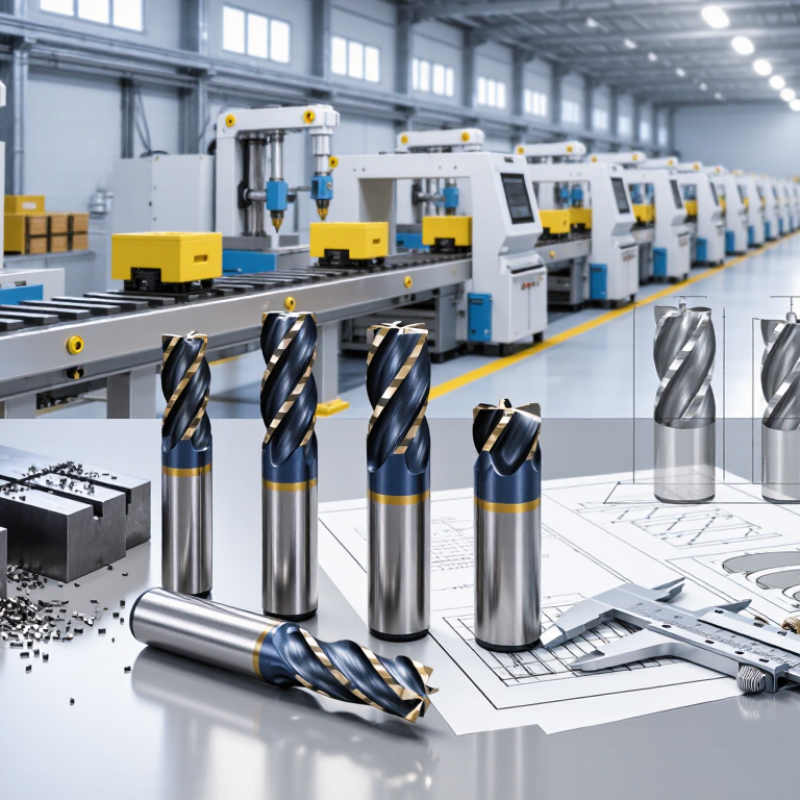
What Is the Best Tungsten Carbide Burr Supplier in China?
Understanding Tungsten Carbide Burrs and Their Industrial Applications
Tungsten carbide burrs are rotary cutting tools for shaping, deburring, and surface finishing. Their cutting heads contain cemented carbide, which resists wear under demanding conditions. In a die-casting workshop, a burr can remove flash from aluminum housings within seconds. On stainless steel, tooth geometry controls heat, vibration, and chip removal.
Different profiles serve different tasks. Cylindrical burrs reach flat surfaces and narrow slots. Ball shapes smooth curved cavities. Tree-shaped burrs work well around corners and casting gates. Double-cut teeth usually provide better control on steel. Single-cut teeth can remove material faster from softer alloys. That difference matters.
For buyers comparing Chinese suppliers, technical evidence deserves attention. Ask for carbide grade details, shank diameter tolerance, tooth profile samples, and runout inspection records. A poorly centered burr may chatter against a mold cavity. It can leave visible waves, even when the operator uses suitable speed. Sample testing is essential. Do not judge quality from appearance alone.
I have found that packaging also reveals production discipline. Each burr should remain separated, dry, and protected from impact. Batch traceability helps connect defects with manufacturing records. One practical mistake is choosing the lowest price before checking tool life. I still reconsider that habit. A slightly higher-cost burr may reduce replacement time and improve surface consistency. Operators should match burr diameter, material, speed, and pressure before production use. Eyes and hands need protection.
Choosing the best tungsten carbide burr supplier in China requires more than comparing prices. Start with the burr’s actual performance. Ask about carbide grade, grain structure, flute design, and shank tolerance. These details affect cutting speed, vibration, and tool life. A reliable supplier should provide material traceability and inspection records for each production batch.
Practical testing matters. Request samples before placing a large order. Use the burr on your real materials, such as stainless steel, aluminum, or cast iron. Check whether the cutting edges remain sharp after repeated passes. Watch for excessive heat, uneven removal, or visible chatter. In workshop trials, small differences in concentricity can become serious problems. A neat catalog cannot prove consistent manufacturing quality.
Communication is another key factor. The supplier should answer technical questions clearly and explain production limits honestly. Confirm lead times, packaging methods, replacement policies, and quality-control steps in writing. Factory photos are useful, but an online meeting or audit gives stronger evidence. No supplier gets every detail right. Even experienced buyers can overlook coating compatibility or packaging damage. Reviewing failed samples may reveal more than reviewing perfect ones. Look for steady improvement, not impressive claims alone.
Key factors for evaluating a tungsten carbide burr supplier, based on practical industrial purchasing priorities.
Product quality and consistency should receive the greatest attention because burr performance depends on carbide grade, flute geometry, dimensional accuracy, and stable production control. Traceability, inspection records, customization capability, and delivery reliability are also important when comparing suppliers in China.
What Is the Best Tungsten Carbide Burr Supplier in China?
The best supplier is not always the one offering the lowest quotation. Product quality starts with consistent tungsten carbide material, controlled grain size, and suitable cobalt content. These factors affect hardness, toughness, cutting life, and resistance to chipping. Ask for the carbide grade, material certificate, and batch traceability before placing a large order.
Inspect the burr’s flute shape under magnification. Cutting edges should look even, sharp, and free from visible cracks. Check shank diameter, concentricity, surface finish, and runout. Excessive runout can cause vibration, uneven wear, and poor control during machining. Manufacturing standards should include documented heat treatment, grinding procedures, dimensional inspection, and final cleaning. A sample test is essential. In actual workshop trials, burrs should cut smoothly without abnormal noise or rapid edge breakdown. No paper report replaces testing.
Tips: Request samples from different production batches. Compare cutting performance on the same material and speed. Ask how rejected pieces are recorded and handled. One detail I once overlooked was packaging. Loose burrs can strike each other during transport and damage their edges. Also, supplier claims may sound precise but remain incomplete without inspection records. A reliable manufacturer should answer technical questions clearly, provide stable documentation, and accept reasonable quality feedback. Mistakes can still happen, so clear replacement terms and corrective-action procedures matter.
| Evaluation Dimension | Key Data or Specification | Recommended Quality Benchmark | How to Verify It | Importance |
|---|---|---|---|---|
| Carbide Composition | Primary hard phase: tungsten carbide (WC); binder phase commonly includes cobalt or another metallic binder. | The declared WC-to-binder formulation should be consistent from batch to batch and matched to the burr’s intended application. | Request the material specification, certificate of analysis, and independent chemical-composition test results. | Critical |
| WC Grain Size | Fine, medium, and coarse WC grain structures provide different balances of hardness, toughness, and wear resistance. | Fine grains generally support higher wear resistance; coarser grains can improve toughness. The selected grade should match the workpiece and cutting load. | Review metallographic images and a grain-size report based on an accepted cemented-carbide metallography method, such as the ISO 4499 series. | Critical |
| Hardness | Hardness is normally reported using a cemented-carbide-appropriate method, such as Vickers or Rockwell A. | The measured value should fall within the supplier’s declared grade specification, with controlled variation between production lots. | Check test method, load, sampling plan, calibration status, and lot-specific test records. ISO 3738 is a recognized reference series for cemented-carbide hardness testing. | Critical |
| Transverse Rupture Strength | This property indicates resistance to fracture under bending and is especially relevant for small-diameter burrs. | The value should meet the declared grade requirement and be evaluated together with hardness and grain structure rather than used alone. | Request lot-based test results, the test standard used, specimen dimensions, and the laboratory’s calibration records. | High |
| Material Density | Density is influenced by WC content, binder content, and porosity. | Density should be consistent with the declared composition and show no abnormal deviation that may indicate porosity or mixing problems. | Compare density results with the approved material specification and investigate any unexplained batch variation. | High |
| Porosity and Structural Defects | Uncontrolled pores, inclusions, cracks, and abnormal binder lakes can reduce tool life and fracture resistance. | Finished carbide should have controlled porosity and no visible cracks or major structural defects in representative inspection samples. | Review metallographic inspection records and acceptance criteria. Use representative cross-sections rather than surface inspection alone. | Critical |
| Burr Geometry | Important dimensions include head diameter, head length, shank diameter, overall length, tooth profile, and cutting direction. | Dimensions should conform to the approved drawing or recognized tool-size specification, with consistent tooth geometry across the batch. | Verify calibrated dimensional inspection reports, profile gauges, optical measurement records, and first-article samples. | Critical |
| Shank Accuracy | Shank diameter, roundness, straightness, and surface condition affect chucking, vibration, and operator safety. | The shank should fit the specified collet or tool holder without excessive runout, slippage, or visible damage. | Request runout measurements and inspect samples in the intended tool holder at the rated operating conditions. | Critical |
| Tooth Edge Quality | Cutting edges should be formed consistently, without excessive burrs, chipped teeth, grinding burns, or blocked flutes. | Uniform tooth spacing and clean edge formation should be maintained throughout the production lot. | Use magnified visual inspection, sample cutting tests, and photographs of multiple burrs from different production batches. | High |
| Surface Finish and Coating | Some burrs are supplied uncoated; others may use coatings such as TiAlN or other wear-resistant systems. | If coated, the coating should be specified by composition, thickness range, adhesion requirement, and intended application. Uncoated tools should be free from damaging grinding residue. | Request coating certification, thickness measurements, adhesion test results, and confirmation that the coating is suitable for the workpiece material. | Medium to High |
| Manufacturing Process Control | Relevant controls include powder preparation, pressing, sintering, grinding, tooth cutting, cleaning, inspection, and packaging. | Critical process parameters should be documented, monitored, and traceable to a specific production lot. | Review process flow charts, control plans, inspection instructions, nonconformance procedures, and batch traceability records. | Critical |
| Quality Management System | A formal quality system supports document control, corrective action, calibration, internal audits, and customer complaint handling. | An ISO 9001-certified quality management system is a useful baseline, provided the certificate scope covers the relevant manufacturing activities. | Verify the certificate’s validity, issuing body, scope, site address, and expiration date through the certification body. | High |
| Environmental and Safety Controls | Carbide production may involve metal powders, grinding fluids, dust, waste management, and energy-intensive sintering. | Documented environmental and occupational-safety controls should be in place; ISO 14001 and ISO 45001 certifications can provide additional evidence. | Review valid certificates, workplace controls, waste-disposal records, and relevant regulatory compliance documentation. | Medium |
| Performance Testing | Actual burr performance depends on carbide grade, tooth design, speed, feed pressure, workpiece material, and operator technique. | A supplier should provide comparative tests using defined cutting conditions rather than unsupported claims about service life. | Ask for test material, tool dimensions, spindle speed, cutting time, load conditions, failure criteria, and before-and-after tool images. | Critical |
| Lot Consistency | Variation in hardness, geometry, shank size, or tooth form can cause inconsistent cutting results. | Inspection results should be available for each production lot, with clear sampling rules and documented acceptance limits. | Order samples from at least two production lots and compare dimensional, material, and cutting-performance results. | Critical |
| Packaging and Corrosion Protection | Packaging should protect cutting edges, shanks, and surface finish during transport and storage. | Each burr should be separated or secured to prevent tooth-to-tooth impact, contamination, and moisture-related damage. | Conduct a transport simulation or inspect received goods for chipped teeth, bent shanks, corrosion, and packaging deformation. | Medium |
| Traceability and Documentation | Essential records include product drawings, material grade, production date, lot number, inspection report, and packaging identification. | The supplier should be able to trace finished burrs back to raw-material and production records. | Select a random package and verify that its lot number links to material, process, inspection, and shipment records. | Critical |
| Supplier Qualification Decision | Product quality should be assessed using evidence rather than price, catalog range, or marketing claims alone. | Prioritize suppliers that pass document review, sample inspection, controlled performance testing, and a small pilot order. | Use a weighted scorecard: material and structure 30%, geometry 25%, process control 20%, testing and documentation 15%, service and delivery 10%. | Critical |
| Evaluation note: The stated benchmarks are purchasing and quality-control guidelines, not a substitute for a product-specific drawing, agreed acceptance limits, applicable safety requirements, or independent laboratory verification. | ||||
Choosing the best tungsten carbide burr supplier in China requires more than comparing unit prices. Customization should match your actual machining needs. Check burr shape, cutting head diameter, shank size, tooth pattern, and coating options. A capable supplier can adjust these details and provide a clear technical drawing before production. Request samples first. Small differences in tooth geometry can affect cutting speed, vibration, and tool life.
Pricing should include tooling, packaging, inspection, and shipping costs. A low quotation may hide weak material control or limited quality checks. Ask whether the carbide grade is documented and whether each batch receives dimensional inspection. Production capacity also matters. A workshop producing a few thousand pieces monthly may handle prototypes well, but struggle with a large repeat order. Ask for realistic monthly output, equipment details, and recent lead-time records.
Delivery depends on planning, not promises. Confirm sample time, mass-production time, packaging method, and the process for handling rejected pieces. Suppliers with organized records usually communicate delays earlier. That matters. I have seen buyers focus on price and overlook inconsistent shank dimensions. The result was rework and lost production time. A better evaluation compares customization, landed cost, verified capacity, and delivery performance together. No supplier is perfect, and even a strong factory may miss an agreed date during peak periods. Build reasonable buffer time into the purchasing plan.
For global buyers, Chinese tungsten carbide burr suppliers can offer practical advantages beyond lower prices.
Many factories combine carbide forming, CNC grinding, brazing, and inspection under one roof. This setup can shorten communication between production stages. A buyer may request a 6 mm cylindrical burr, double-cut teeth, and a 6 mm shank. The supplier can then confirm drawings, tolerances, tooth geometry, and packaging details directly with engineers. That level of access is useful.
Cost remains important, but it should not lead the decision. Experienced suppliers usually provide material data, hardness ranges, runout measurements, and sample reports. Ask how often they inspect shank diameter and cutting balance. Request samples from more than one production batch. A polished surface may look excellent. It does not prove consistent performance. In my experience, trial cutting on steel, aluminum, or cast iron reveals more than photographs. Cutting noise, chip flow, heat marks, and edge wear deserve written records. Suppliers with traceable inspection steps are easier to audit and correct when results vary.
Chinese suppliers may also support flexible order quantities, custom profiles, multilingual communication, and export packaging. However, distance can expose weaknesses. Time-zone delays, unclear specifications, or changing raw-material sources can create avoidable disputes. One early mistake is accepting a quotation without confirming coating, tooth style, tolerance, and replacement policy. A careful buyer should check factory capability, quality evidence, payment terms, and realistic lead times. Not every factory meets every application. That is worth admitting.
A small pilot order, followed by measured field feedback, often provides a stronger basis for long-term purchasing than a low initial quote.
They are rotary cutting tools for shaping, deburring, and surface finishing. A burr can remove flash from an aluminum housing within seconds. It also helps refine mold cavities and casting gates.
Cylindrical burrs suit flat surfaces and narrow slots. Ball burrs smooth curved cavities. Tree-shaped burrs reach corners and casting gates. The profile must match the work area.
Double-cut teeth usually offer better control on steel. Single-cut teeth can remove material faster from softer alloys. The wrong tooth pattern may increase vibration and heat.
Request carbide grade details, shank tolerance, tooth samples, and runout records. Also ask for dimensional inspection reports. Appearance alone proves little.
Poor centering can make the burr chatter inside a mold cavity. It may leave visible waves on the surface. Suitable speed cannot always correct poor runout.
Compare tooling, packaging, inspection, shipping, and replacement costs. A low unit price may hide weak material control. Tool life matters. I still need to reconsider choosing the cheapest option.
Request samples and test them on the intended material. Confirm burr diameter, shank size, tooth pattern, and coating options. Ask for a technical drawing before production. Small geometry changes can affect vibration and service life.
Ask for realistic monthly output, equipment details, and recent lead-time records. Confirm sample time and mass-production time. Check how rejected pieces are handled. Leave buffer time for peak periods.
Choosing the best Tungsten Carbide Burr supplier in China requires more than comparing prices. These precision cutting tools are widely used in metalworking, aerospace, automotive, woodworking, casting, and other industrial applications for deburring, shaping, grinding, and surface finishing. Buyers should evaluate the supplier’s material quality, carbide grade, hardness, cutting accuracy, tool balance, and manufacturing standards. Reliable quality control, consistent performance, and thorough product testing are essential for safe and efficient operation.
A suitable supplier should also offer flexible customization, including head shapes, cutting styles, dimensions, shank sizes, packaging, and labeling. Pricing should be considered together with production capacity, minimum order quantities, lead times, and delivery reliability rather than as the only deciding factor. Chinese suppliers may be suitable for global buyers because they often provide broad product selections, scalable manufacturing, competitive costs, and export experience. Clear communication, sample testing, technical support, and transparent quality documentation can help buyers establish a dependable long-term supply relationship.

N&D Carbide