Milling tungsten presents unique challenges in the realm of global procurement. This highly dense metal is essential in various industries, from defense to aerospace. Due to its hardness, milling tungsten requires specialized techniques and tools. As demand grows, procurement strategies must evolve.
Effective milling of tungsten demands a profound understanding of materials and machinery. Suppliers should be knowledgeable about the properties of tungsten. They must also be familiar with the best practices for milling this tough material. It's vital to foster relationships with experts who can provide insights and assistance.
Moreover, mistakes in milling tungsten can lead to costly delays and reduced quality. Companies must invest in training and advanced technologies to improve outcomes. Ensuring high standards in milling practices is critical. Navigating the complexities of tungsten procurement thus requires careful planning and execution.
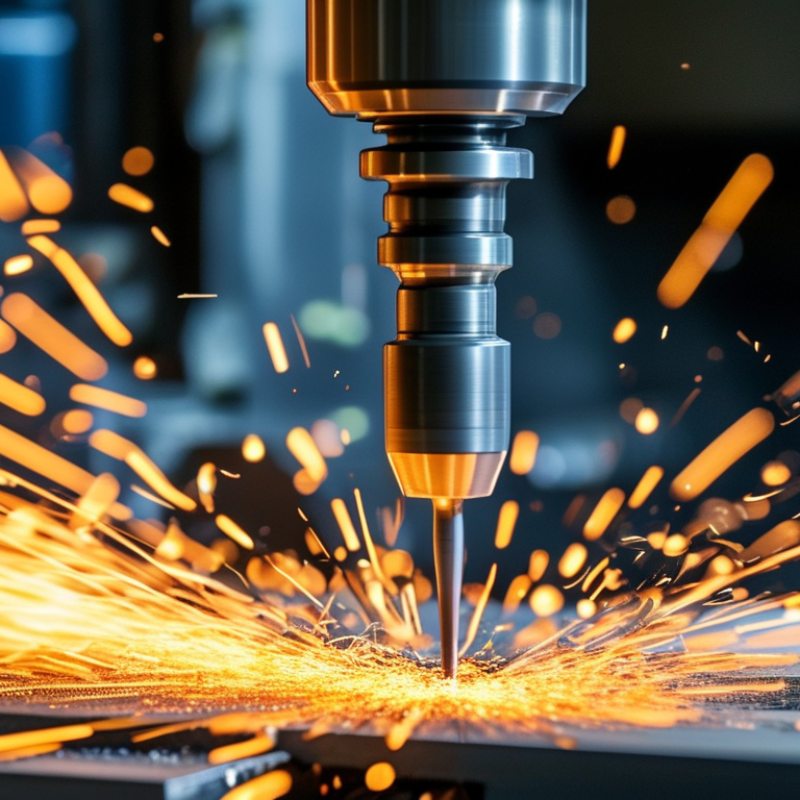
Milling tungsten requires an understanding of its unique properties. Tungsten is known for its high density and exceptional hardness. These characteristics make it a challenging material to machine. Tools must be designed specifically for tungsten. Regular cutting tools wear out quickly.
Heat generated during milling can lead to tool deformation. Cooling systems are essential to avoid overheating. Use the right coolant to enhance tool life and improve precision. The feed rate and cutting speed should be carefully calculated. Too fast can cause breakage, while too slow might not be efficient.
Surface finish is another critical aspect. A rough surface can impact further processing. Experimenting with different milling strategies helps to achieve better results. Each milling operation presents unique challenges. Continuous learning is necessary to refine techniques and enhance results. Adaptability and attention to detail stand out in this field. Achieving excellence in milling tungsten is undeniably a journey.
Milling tungsten requires careful attention to the right tools and equipment. Specialized milling machines are essential. These machines should have adequate power and precision. High-speed steel and carbide cutters are popular choices. They prevent wear and maintain sharp edges. Chip removal systems should also be implemented. Effective chip management enhances the milling process.
Coolants play a significant role in tungsten milling. They help reduce heat buildup and extend tool life. Proper coolant selection is critical. A water-soluble coolant can be effective, but that depends on the milling environment. Additionally, operators must focus on feed rates and cutting speeds. These factors determine the quality of the finished product.
A comprehensive understanding of milling techniques is invaluable. Mistakes can lead to excessive tool wear and poor surface finishes. Regular evaluation of equipment and methods is necessary. Continuous improvement leads to better results. Sharing insights within the industry enhances collective knowledge. Therefore, a community approach to best practices is beneficial.
| Tool/Equipment | Description | Recommended Specifications | Cost Range (USD) | Maintenance Tips |
|---|---|---|---|---|
| CNC Milling Machine | Used for precision milling of tungsten materials. | Spindle speed: 2000-3000 RPM, Torque: >50 Nm | $50,000 - $150,000 | Regularly check belt tension and lubricate moving parts. |
| Diamond Coated End Mills | Ideal for cutting hard tungsten alloys. | Diameter: 3-12 mm, Coating thickness: 5-10 microns | $50 - $150 each | Change tooling periodically to avoid wear. |
| High-Pressure Coolant System | Helps in cooling and lubrication during milling. | Flow rate: 10-20 L/min, Pressure: 70-100 PSI | $5,000 - $20,000 | Inspect filters regularly to ensure optimal flow. |
| Tungsten Milling Fixtures | Secure tungsten workpieces during milling. | Custom fit for specific dimensions | $1,000 - $5,000 | Ensure alignment is correct before starting operation. |
Precision in tungsten milling is crucial for achieving high-quality results. Tungsten is known for its hardness and high melting point. This makes it challenging to work with, especially in milling processes. One effective technique is the use of the right cutting tools. High-speed carbide tools can offer durability and reliability, reducing the risk of tool wear. Choosing the correct geometry for the milling tools is equally as important. A well-designed tool can make a significant difference in the quality of the finish.
Using optimal machining parameters is another vital aspect. Maintaining appropriate feed rates and spindle speeds can enhance precision. However, this requires careful testing and adjustment, as every piece of tungsten may respond differently. Keeping the workpiece cool with adequate coolant flow can also prevent thermal deformation. It is essential to monitor the machining process closely to identify any issues early on, as tungsten can behave unexpectedly.
Additionally, troubleshooting is part of the milling journey. Operators should learn from each setup. Observing the milling results can lead to insights that might not be obvious at first glance. Understanding the nuances of tungsten milling is a continuous process, and even small adjustments can lead to better outcomes. This learning mindset fosters improvement, pushing the boundaries of what can be achieved in precision milling.
Milling tungsten requires a unique approach due to its hardness and density. Effective tools and procedures are crucial for success. Selecting the right cutting tools enhances efficiency and reduces wear. Carbide inserts offer durability but may be costly. It’s essential to balance cost and performance when choosing tools.
Coolants play a vital role in milling tungsten. They help manage heat and extend tool life. A well-designed cooling system mitigates stress on both the tool and the tungsten piece. However, using too much coolant can lead to other issues, such as contamination. Regular assessments of coolant use can provide insights into optimizing the process.
Monitoring machining parameters is key to achieving consistency. Spindle speed and feed rate adjustments can significantly impact the outcome. Operators must stay aware of signs of tool wear, which may require immediate adjustments. A meticulous review of each milling session can reveal patterns that inform future projects. Learning from past experiences is crucial in fine-tuning your milling practices.
When evaluating supplier capabilities for tungsten milling projects, consider their expertise in understanding tungsten's unique properties. According to a recent market analysis, the global tungsten market is projected to grow by 5% annually, underscoring the metal's strategic importance in various industries. Reliable suppliers must demonstrate experience in handling tungsten’s high density and strength, which often require specialized milling techniques.
Tips for selecting a supplier:
It’s crucial to assess a supplier's technological capabilities. This includes their milling equipment and processes. Advanced machinery can significantly impact the efficiency of tungsten projects. Analyze case studies of previous projects to gauge their performance. Many suppliers fail to offer sufficient data, which can be a red flag for potential partnerships. Verifying their track record helps in making informed decisions.
: Specialized milling machines with power and precision are essential. High-speed steel and carbide cutters are popular choices.
Coolants reduce heat buildup and extend tool life. They help manage the milling environment effectively.
Effective chip management enhances the milling process. It prevents tool wear and improves surface finish quality.
Feed rates and cutting speeds are critical. They need to be monitored carefully for better results.
Adjustments in spindle speed and feed rate can impact outcomes. Monitoring ensures consistency and quality.
Balance cost and performance is crucial. Carbide inserts are durable but can be costly.
Using too much coolant can cause contamination. Regular assessments can help optimize coolant usage.
Sharing insights within the industry enhances collective knowledge. A community approach promotes best practices.
Continuous improvement leads to better results. Mistakes can reveal patterns for future projects.
Reviewing each milling session reveals useful patterns. It helps fine-tune techniques for improved efficiency.
Milling Tungsten presents unique challenges due to its hardness and density, requiring a deep understanding of its properties to achieve effective results. Essential tools and equipment, such as specialized milling machines and cutting tools designed for hard materials, play a crucial role in the milling process. Techniques to enhance precision, like optimized feed rates and cooling methods, can significantly improve the quality of the milled product.
In global procurement, adhering to best practices is vital for successful milling projects. This involves not only selecting reliable suppliers but also evaluating their capabilities to ensure they can meet specific project requirements. By fostering strong partnerships and implementing rigorous quality control measures, organizations can enhance their milling operations and ultimately achieve superior outcomes in tungsten milling.

N&D Carbide