In the world of metalworking, the significance of selecting the right tools cannot be overstated. “Tungsten Carbide Drill Bits For Metal” are highly regarded for their exceptional hardness and durability. According to a recent industry report by Market Research Future, the demand for these bits is expected to grow steadily, driven by advancements in metal machining.
Expert Carl Thompson, a leading authority in drill technology, emphasizes this point: “Choosing the right drill bit is crucial for productivity and precision.” His insight reflects the industry's emphasis on efficiency. Tungsten carbide drill bits are favored for their ability to withstand high temperatures and resist wear.
However, the market is flooded with options that can overwhelm buyers. Some bits may promise high performance but fail to deliver. It’s essential to evaluate quality versus cost. Users often overlook the compatibility with their machines, leading to frustration and inefficiency. When investing in “Tungsten Carbide Drill Bits For Metal,” consider durability and application to ensure the best choice for your needs.
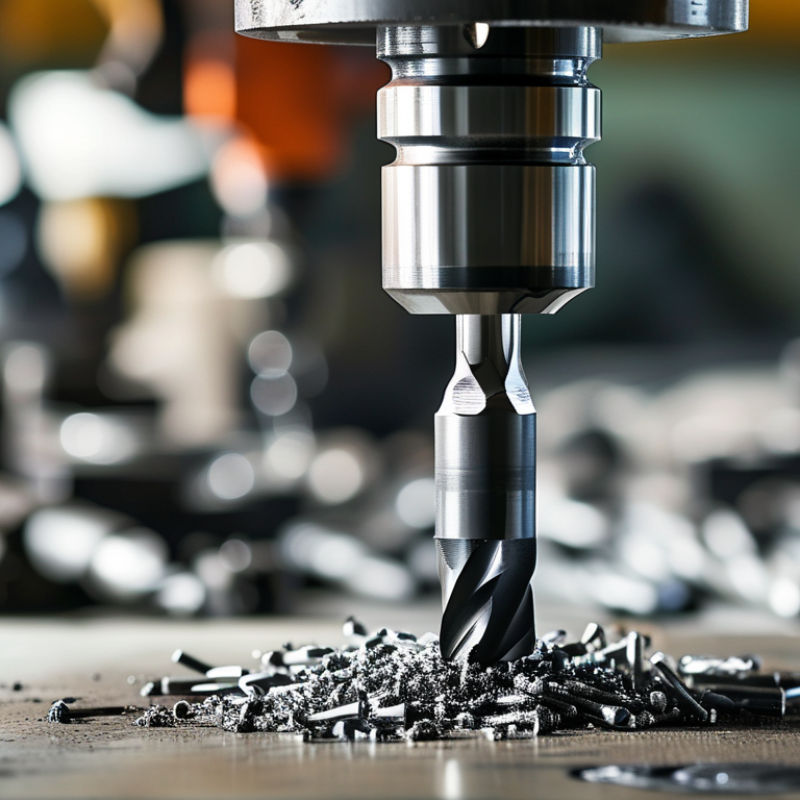
Tungsten carbide is a well-regarded material in the drilling industry. Its unique properties make it ideal for metal drilling tasks. According to the Journal of Materials Engineering, tungsten carbide drills have a higher hardness rating than most other materials, reaching up to 88 HRA. This hardness ensures durability and longevity during drilling operations. Additionally, the toughness of tungsten carbide allow it to withstand significant stress and resist wear.
The advantages of tungsten carbide extend beyond just hardness. It has excellent resistance to high temperatures, making it suitable for various metal types. Industry reports highlight that tungsten carbide bits can maintain their sharpness up to 30% longer compared to high-speed steel options. This means fewer replacements and lower operational costs. However, it’s essential to note that improper usage can still lead to rapid wear, emphasizing the importance of proper technique and maintenance.
Despite its strengths, some users report challenges with breakage under extreme conditions. This unpredictability indicates a need for careful selection based on the task at hand. Understanding the nuances of tungsten carbide can lead to better drilling outcomes. With the right approach, users can maximize the benefits of this advanced material while minimizing potential downsides. Balancing performance with care will ensure effective results when drilling metal.
When selecting drill bits for metalworking, the material construction matters greatly. Tungsten carbide drill bits are known for their hardness. They can easily penetrate tough metals. However, not every bit is designed for every application. Consider the type of metal you work with. Soft metals require different bits than hardened steel or alloys.
Drilling speed is another crucial factor. Faster isn't always better. If you drill too quickly, overheating can occur. Heat can dull the bit and even warp the material. A variable-speed drill can help manage this risk. Smaller bits may also require slower speeds to maintain precision.
Finally, check the design of the bit. Features like a split point aid in penetration and accuracy. Bits with a coating can reduce friction. This leads to better performance and extended life. Choosing the right bit can minimize project setbacks. Remember, sometimes experience teaches the best lessons in trial and error.
In the tungsten carbide drill bit market, several top brands stand out due to their unique features and innovations. These brands typically emphasize durability and precision. Recent industry reports show that tungsten carbide drill bits can outperform traditional steel bits by up to 300% in terms of lifespan. This significant difference is attributed to the hardness of tungsten carbide, which allows for more efficient drilling in tough metal materials.
Another notable feature is the design of the cutting edges. Many leading brands focus on optimizing the geometry of the drill bits. Enhanced designs provide better chip removal and heat dissipation, which minimizes wear and tear during extended use. According to a 2022 market research report, drill bits with advanced geometry showed a 25% increase in drilling speed compared to standard designs. However, users should consider that high-performing bits may require specific drill settings. This could lead to potential adjustments and learning curves when transitioning to premium bits.
Moreover, the coating of tungsten carbide bits plays a critical role in performance. Different coatings can reduce friction and promote better heat resistance. A study highlighted that bits with specialized coatings maintain their sharpness longer and deliver cleaner holes. It’s essential for users to balance between features and cost-effectiveness. As technology progresses, new innovations may render some current features obsolete, leading to reflections on purchasing decisions.
When evaluating tungsten carbide drill bits for metal, performance metrics are crucial. Durability is one key factor. Data indicates that tungsten carbide drill bits can last up to 30 times longer than high-speed steel bits. This is essential for professional use, where replacing tools frequently can slow down productivity. The wear resistance of tungsten carbide contributes to its longevity, allowing for extended use in tough materials.
Precision is another critical aspect. Studies show that well-designed tungsten carbide bits can achieve tolerance levels within 0.01 mm. This level of precision is necessary for tasks that require meticulous attention, such as aerospace or medical equipment manufacturing. Properly maintained drill bits enhance performance and reduce errors during operation.
Material compatibility cannot be overlooked. Alloyed metals, stainless steel, and titanium all require specific bit types. They may all react differently with drill bits. Research suggests that using incompatible bits can increase the risk of fracture or rapid wear. Ensuring the right match between the bit and the material can lead to significantly better outcomes in terms of both efficiency and quality. The nuances in drill bit selection reflect deeper lessons about understanding tool capabilities and making informed choices.
Drill bits are essential tools for metalworking. Proper maintenance can greatly extend the lifespan of tungsten carbide drill bits. Regular cleaning is crucial. After each use, remove metal shavings and dust from the bits. A simple brush or compressed air can do the trick. This prevents buildup that can affect performance.
Lubrication is another vital practice. Using cutting oil during drilling reduces friction and heat. This helps maintain the drill's sharpness. Overheating can lead to dull bits quicker than expected. Additionally, inspect drill bits frequently. Look for any signs of wear or damage, such as chips or cracks. Addressing these issues early can prevent larger problems later on.
Storing drill bits correctly is also important. Keep them in a dry, organized space. Use protective cases or containers to avoid accidental damage. Exposure to moisture can lead to rust, which compromises their efficiency. By applying these simple maintenance tips, you can enhance the durability of your drill bits. Remember, a little care goes a long way.
| Drill Bit Type | Diameter (inches) | Length (inches) | Tip Angle | Material | Recommended RPM |
|---|---|---|---|---|---|
| Standard Twist | 0.25 | 3 | 118° | Tungsten Carbide | 1800-2500 |
| Masonry | 0.5 | 6 | 135° | Tungsten Carbide | 1200-1800 |
| Brad Point | 0.375 | 4.5 | 90° | Tungsten Carbide | 1500-2000 |
| Pilot Point | 0.625 | 5 | 135° | Tungsten Carbide | 1000-1500 |
: Tungsten carbide bits can last up to 300% longer than steel bits. Their hardness enhances efficiency in tough materials.
Optimized cutting edge geometry aids chip removal and heat dissipation, leading to better durability and faster drilling.
Precision ensures accuracy in tasks like aerospace manufacturing. Well-designed bits can achieve tolerances within 0.01 mm.
Regular cleaning, lubrication with cutting oil, and frequent inspections are essential for maintaining drill performance.
Specialized coatings can reduce friction and heat, helping bits maintain sharpness and deliver cleaner holes longer.
Different materials require specific bit types. Using the wrong bit can lead to increased wear or fractures.
Neglecting cleaning and lubrication can dull bits quickly and shorten their lifespan, impacting productivity and quality.
Store bits in a dry and organized space. Use protective cases to prevent rust and accidental damage.
Users should balance advanced features with cost-effectiveness, as some innovations may soon become outdated.
Yes, high-performance bits often require specific settings, which might need adjustments and practice for effective use.
When selecting the best Tungsten Carbide Drill Bits for Metal, it is crucial to understand the unique properties and advantages that these bits offer. Known for their exceptional hardness and wear resistance, Tungsten Carbide bits provide superior performance in metalworking tasks. Key factors to consider include the type of metal being drilled, the specific application, and the desired precision and durability.
To ensure optimal performance, it is essential to evaluate the key metrics such as durability, precision, and compatibility with various materials. Additionally, proper maintenance and care techniques can significantly extend the lifespan of your Tungsten Carbide Drill Bits for Metal. By adhering to these guidelines, users can maximize efficiency and achieve outstanding results in their metal drilling projects.

N&D Carbide