In the world of manufacturing, precise cutting tools are essential. Tungsten carbide cutting tools stand out for their durability and effectiveness. These tools are increasingly preferred by global buyers for various applications. They offer long-lasting performance and exceptional hardness.
However, choosing the best tungsten carbide cutting tools can be challenging. The market is filled with options, each varying in quality and design. Buyers must consider factors like the specific application and material compatibility. Not every tool is suitable for every job.
Many companies claim to provide the best products. Yet, not all deliver the promises. Evaluating reviews and certifications can help in making informed choices. It’s crucial to identify trustworthy manufacturers. This article will guide you through the top choices in 2026, highlighting quality and performance in tungsten carbide cutting tools.
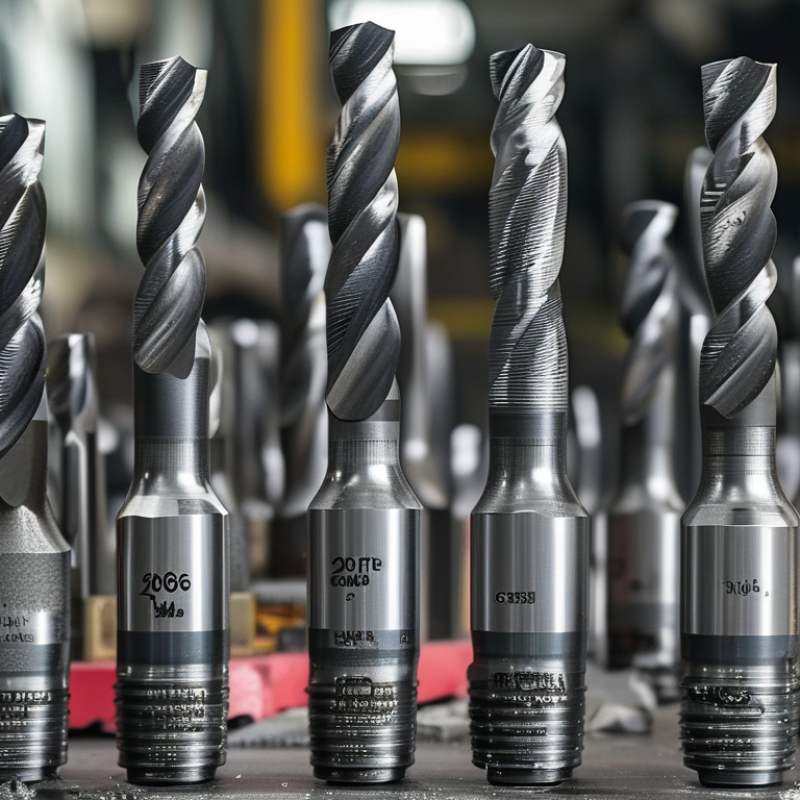
Tungsten carbide cutting tools have become essential in various industries due to their durability and precision. These tools are made from a composite of tungsten and carbon. They exhibit remarkable hardness, which makes them suitable for cutting, grinding, and drilling. Their toughness allows them to withstand the extreme conditions often found in metalworking and construction.
Many users may struggle with choosing the right tool. The variety of options available can be overwhelming. It’s important to consider the specific applications required, such as the hardness of the material being cut. Not all carbide tools are created equal. Some perform better in certain environments than others. Professionals should ensure their choice aligns with their operational needs.
The maintenance of tungsten carbide tools is just as critical as their selection. Regular inspection and proper storage can extend their lifespan. However, many overlook this aspect. Skipping maintenance can lead to diminished performance. A balance must be struck between tool investment and ongoing care. Understanding these factors is vital for anyone relying on these cutting tools.
| Tool Type | Diameter (mm) | Cutting Edge Length (mm) | Material Hardness (HRC) | Application | Price Range (USD) |
|---|---|---|---|---|---|
| End Mill | 6 | 35 | 60-68 | Machining Aluminum | 15 - 25 |
| Drill Bit | 10 | 50 | 58-65 | Wood and Plastics | 10 - 20 |
| Insert | 12 | 20 | 65-70 | Metal Cutting | 5 - 15 |
| Lathe Tool | 16 | 40 | 60-67 | Turning Steel | 20 - 30 |
| Rounding Tool | 8 | 25 | 62-66 | Finishing | 12 - 22 |
Tungsten carbide is renowned for its exceptional hardness and durability. This unique material is made by combining tungsten and carbon, resulting in a compound that can withstand high temperatures and resist wear. It is often used in cutting tools because of these properties. The ability to retain its sharp edge makes it ideal for various applications, including metalworking and woodworking.
In addition to its hardness, tungsten carbide has impressive toughness. This means it can endure significant shock and stress without easily breaking. For manufacturers and craftsmen, this translates to reliable performance in demanding environments. Tools made from tungsten carbide can cut through tough materials that others cannot, leading to increased efficiency in production.
However, there are challenges to consider. While tungsten carbide tools excel at cutting and shaping, they can be brittle under certain conditions. The cost can also be higher than other materials. Buyers must weigh the benefits against the initial investment and potential maintenance challenges. Finding the right balance is crucial for optimal usage in various industries.
Tungsten carbide cutting tools are essential in various industries, from manufacturing to construction. These tools are known for their durability and precision. Numerous brands manufacture these tools, each with its unique strengths. Understanding these brands helps buyers make informed choices.
Many manufacturers focus on innovation and quality. They invest in advanced technology to enhance tool performance. Some brands prioritize specialized tools for niche applications. This may lead to better outcomes in specific tasks. However, not all brands are consistent in quality. Some tools may underperform or lack durability. This inconsistency can frustrate users, highlighting the need for careful selection.
Global buyers should consider reliability when choosing tungsten carbide tools. Reading reviews can provide insights into user experiences. It’s important to balance cost with quality for effective purchasing. Manufacturer support also plays a crucial role. A responsive support team can significantly enhance user satisfaction. Navigating the wide array of options requires thoughtful research and consideration.
Tungsten carbide cutting tools play a crucial role across various industries. Their hardness and durability make them ideal for heavy-duty applications. In manufacturing, they are frequently used for machining metals, plastics, and composites. Precision is their strong suit. Many industries rely on these tools for creating detailed components.
In the automotive sector, tungsten carbide tools are essential for machining engine parts. They enhance productivity and reduce production costs. The aerospace industry benefits as well, employing these tools for high-precision components. However, users must be cautious about tool selection. Not all applications demand the same grade of tungsten carbide, which can lead to inefficiencies.
Construction and mining also utilize tungsten carbide products. These tools cut through tough materials like stone and concrete. Yet, some challenges arise in maintaining tool lifespan. Overheating and improper usage can lead to premature wear. Evaluating production processes may help in addressing these issues, ensuring optimal performance from carbide tools in every application.
When selecting tungsten carbide cutting tools for global markets, buyers should consider multiple factors. The specific application of the tools is crucial. Assess the materials you intend to cut. Different projects require unique tool features for optimal performance. For example, aerospace components demand high durability and precision. In contrast, woodworking requires different characteristics.
Quality and reliability are non-negotiable. Look for tools with proven performance in various conditions. Testing methods often highlight disparities in tool effectiveness, especially under high-stress scenarios. While some tools may seem cost-effective at first glance, they might fail to deliver long-term results. It’s essential to analyze user reviews and case studies. They often reveal patterns in tool performance that aren't apparent in specifications alone.
Understand the regional differences in machining standards. Cutting tools might need modifications depending on local practices and regulations. Availability and supply chain issues can also hinder consistent usage. Consider sourcing strategies that minimize disruption. Not every tool supplier will provide the same level of support. A long-term relationship can sometimes yield better terms and assessments. Therefore, assessing these nuances is critical for successful procurement in global markets.
: They are made from a composite of tungsten and carbon.
Their durability and precision make them essential for cutting, grinding, and drilling.
Users should consider the specific applications and the hardness of the material to be cut.
Skipping maintenance can lead to diminished performance and shortened tool lifespan.
They are crucial for machining engine parts, improving productivity while reducing costs.
Yes, they cut tough materials like stone and concrete effectively but require proper handling.
No, some perform better in specific environments, making careful selection necessary.
Overheating and improper usage can lead to premature wear and inefficiencies.
Regular inspection is critical to extending the tools' lifespan and maintaining performance.
They should ensure that their choice aligns with operational needs and specific application requirements.
Tungsten Carbide Cutting tools are widely recognized for their superior hardness, wear resistance, and longevity, making them an essential choice for various industrial applications. As industries continue to evolve, the demand for high-performance cutting tools remains high, with Tungsten Carbide effortlessly meeting these needs due to its ability to sustain cutting precision and reduce downtime.
When selecting Tungsten Carbide Cutting tools for global markets, buyers should consider essential factors such as tool geometry, coatings, and material compatibility to ensure optimal performance. Furthermore, understanding the diverse applications of these tools across different sectors—from manufacturing to aerospace—can significantly enhance productivity and efficiency in operations. Overall, the continued innovation in Tungsten Carbide technology promises to maintain its position as a leading choice for cutting solutions worldwide.

N&D Carbide